A Florida Backyard Makeover Starts With Heat and Water, Not a Mood Board

Most backyard makeover ideas online are built for places with mild summers and gentle rain. Central Florida has neither. A backyard here has to survive afternoon downpours from late May into October, sandy soil that shifts when water runs across it, a sun that turns dark surfaces into griddles and a hurricane season that tests every fence post. Ideas that ignore those four things look great in the photo and disappointing by the second summer.
This guide collects backyard makeover ideas that work in Florida, with the details that make them last. Each idea includes what it solves, what to watch for and where to go deeper. At the end you will find a simple order for planning the project and how to approach it at different budgets. Prices quoted come from the 2026 installed ranges in our own cost guides for Central Florida.
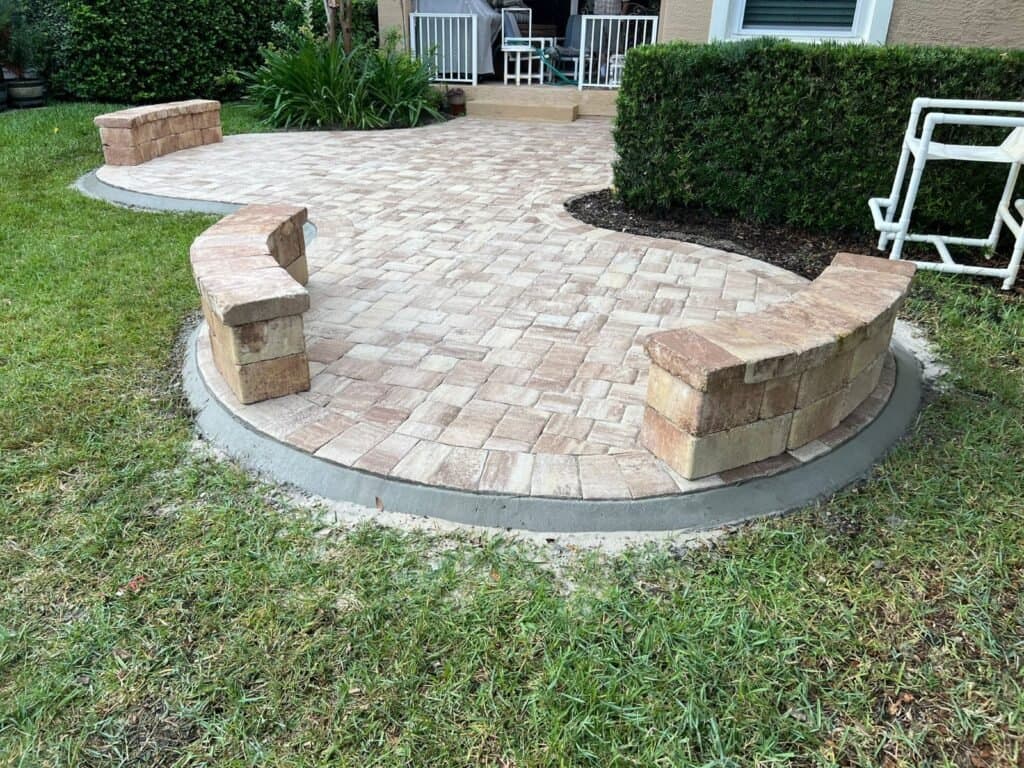
Idea 1: A Paver Patio Sized for How You Actually Live
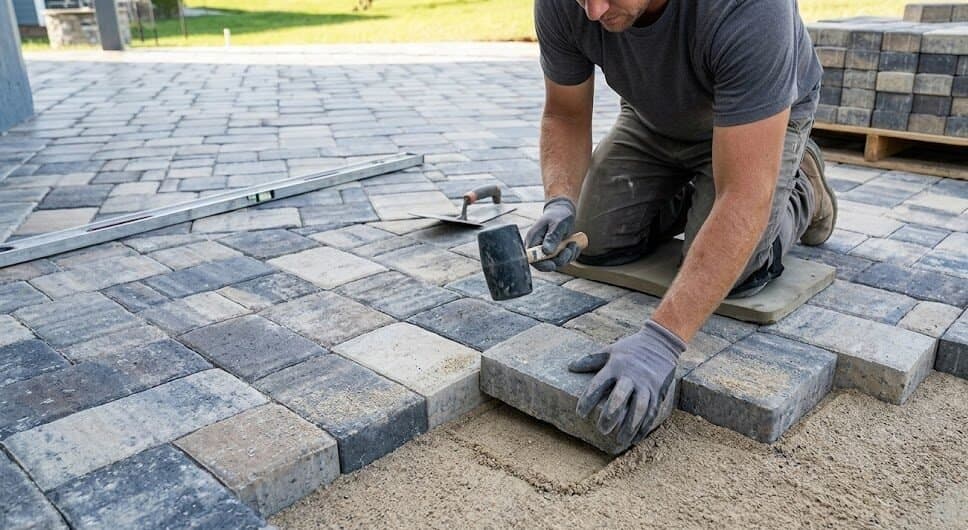
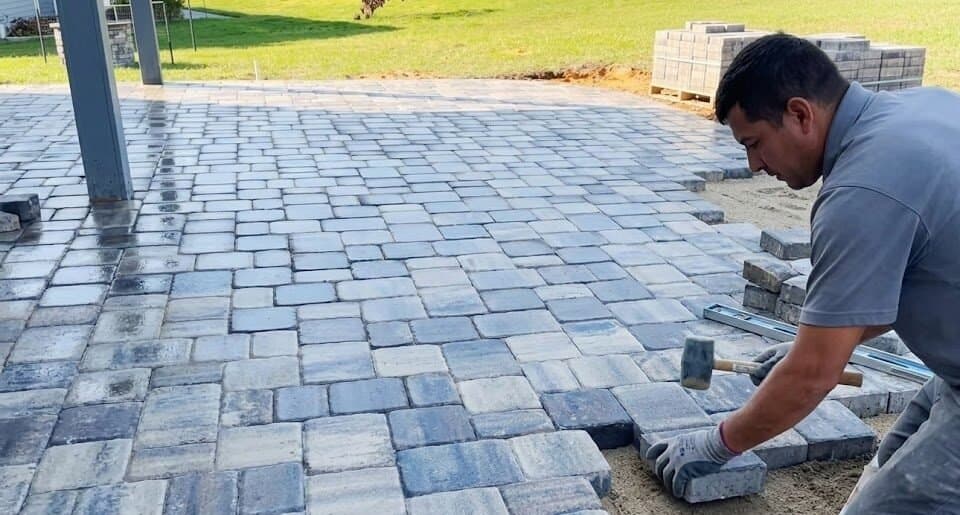
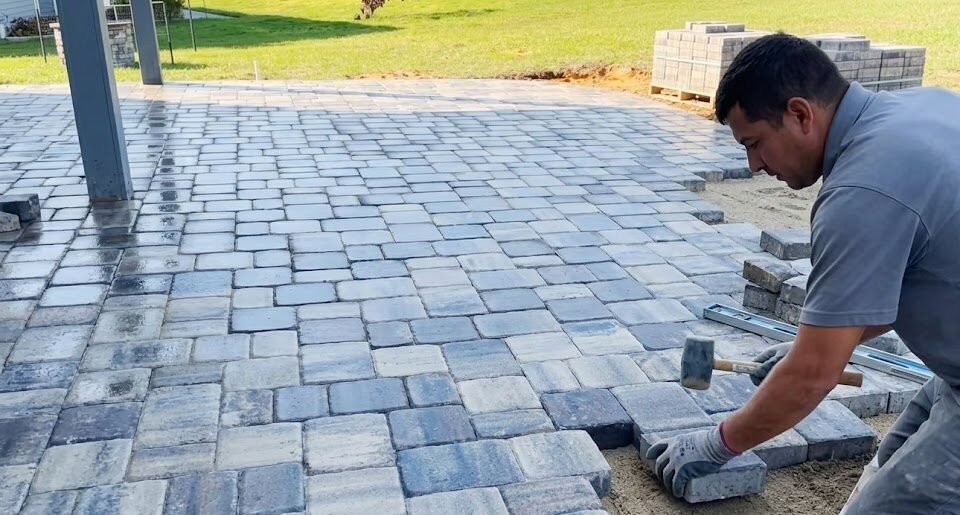
The single most common backyard makeover in Central Florida is replacing a small cracked slab with a larger brick paver patio. Pavers suit Florida because they flex instead of cracking when sandy soil moves, they drain at the joints and individual units can be lifted and reset if a section settles.
- Size it for furniture, not for the old slab: a dining table for six with chairs pulled out needs a lot more room than most builder slabs provide. Lay the furniture out on the grass with a tape measure before you choose a size.
- Plan the slope: a patio should fall away from the house so rain runs toward the yard, not the slab edge or the sliding door.
- Choose lighter colors near seating: light tan and gray pavers stay cooler underfoot than charcoal and deep red in full sun.
- Budget range: concrete paver patios typically run about $10 to $18 per square foot installed in Florida in 2026, before extras like steps, borders or demolition.
For patterns and colors that hold up in Florida sun, see our guide to brick paver colors and patterns. Our brick paver installation service covers base prep, edge restraint and joint sand, which are what actually decide how long a patio lasts.
Idea 2: Replace Struggling Grass With Artificial Turf Where It Makes Sense

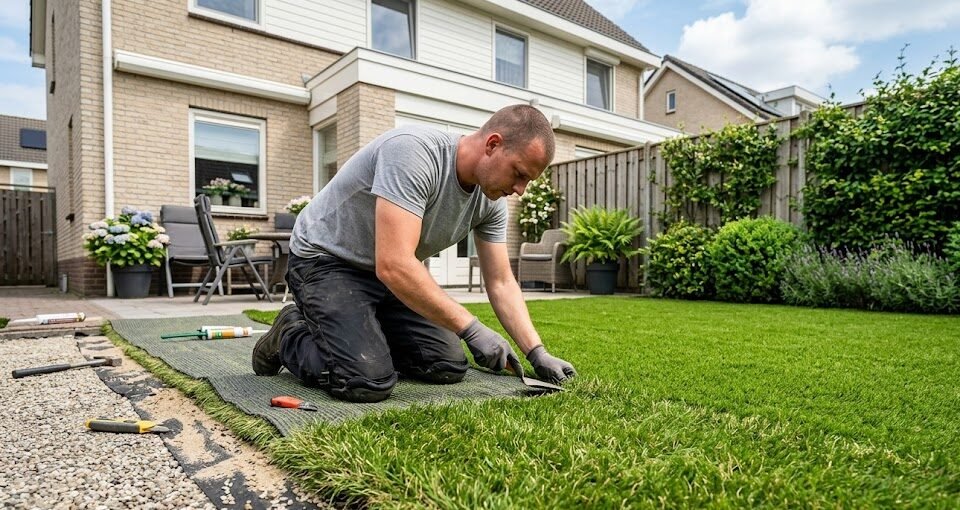
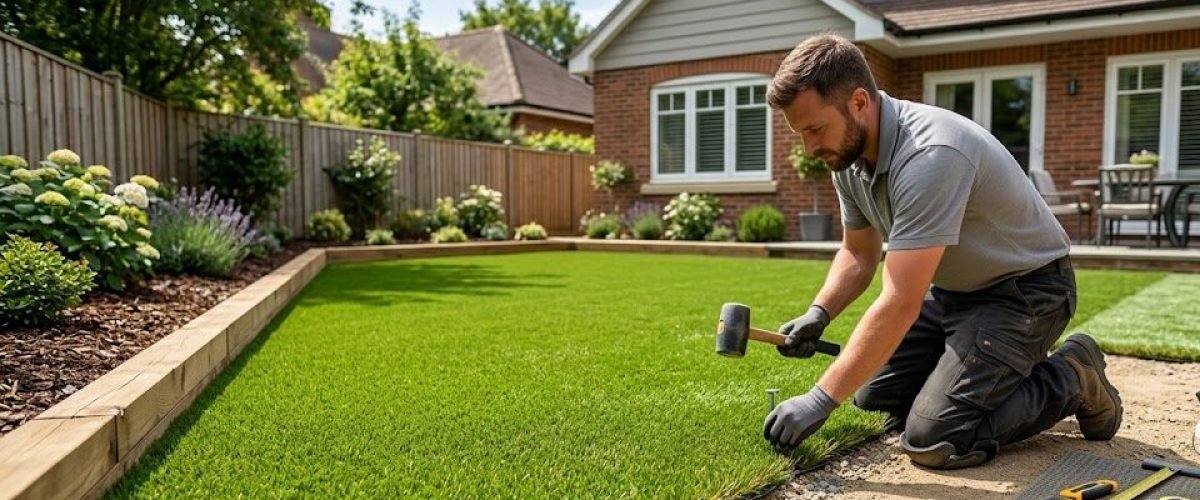
Many Central Florida lawns have a zone that never looks good: the shady strip under the oak, the side yard where nothing grows, the patch the dog has worn down to sand. Artificial turf solves those zones without mowing, fertilizer or irrigation, and it stays green through dry spells and watering restrictions.
- Put turf where people play, not where the sun is brutal: artificial turf gets hot in direct afternoon sun. It works best in partial shade, play areas and side yards, and next to pavers that give the eye a break.
- Get the base right: a compacted aggregate base and proper drainage keep turf flat and let summer storms drain through instead of pooling.
- Pick infill for the use: pet areas and play areas need different infill than a decorative front strip.
- Budget range: roughly $10 to $16 per square foot installed in Florida for residential turf, depending on product, base depth and access.
Our guides on whether artificial turf gets hot in Florida and on artificial turf versus sod cover heat and long-term cost in detail. When you are ready, our artificial turf installation service handles excavation, base, drainage and seaming.
Idea 3: A Privacy Fence That Turns the Yard Into a Room

Nothing changes how a backyard feels faster than privacy. A good fence turns an open lot into an outdoor room, keeps pets and kids in and blocks the view from the neighbor's second-story window. In Florida, the fence also has to handle wind, sun and termites.
- Vinyl: the most popular privacy material in Central Florida subdivisions. It will not rot or attract termites, and quality depends heavily on internal reinforcement. Roughly $20 to $50 per linear foot installed.
- Wood: the lowest upfront cost and a warm look, but it needs sealing and eventually board replacement in Florida humidity. Roughly $15 to $35 per linear foot for pressure-treated pine.
- Aluminum: the longest life and the standard for pool areas, but it does not block views. Roughly $25 to $60 per linear foot.
- Check the rules first: fence height limits, setbacks and HOA style rules vary by city and community, and pool barriers have their own code requirements.
Our backyard privacy ideas guide compares fences with hedges and built screens, and our fence installation service covers vinyl, wood and aluminum across Central Florida.
(321) 353-7445Get Immediate Service
Idea 4: A Pool Deck Upgrade That Stays Cooler and Safer
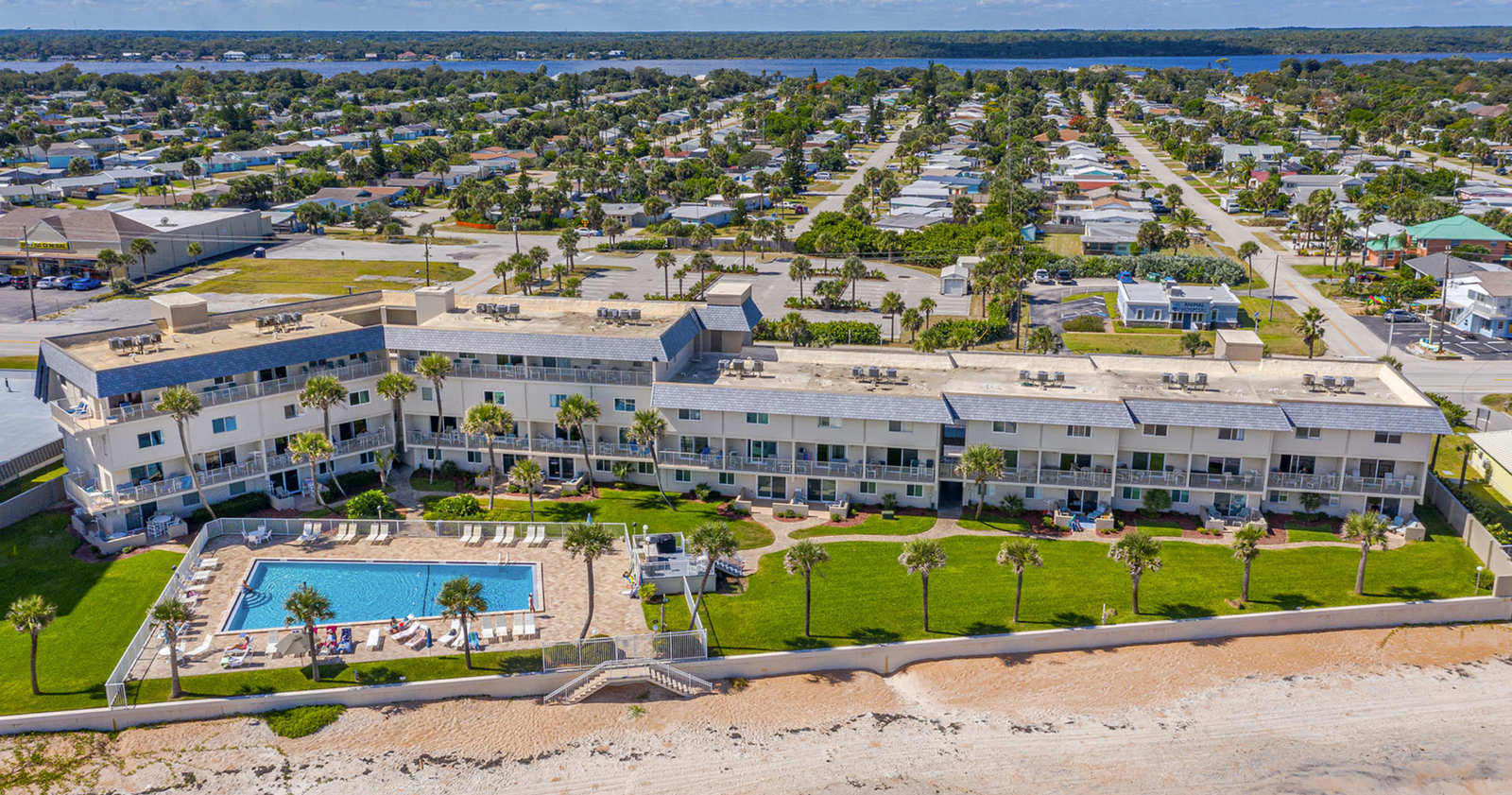
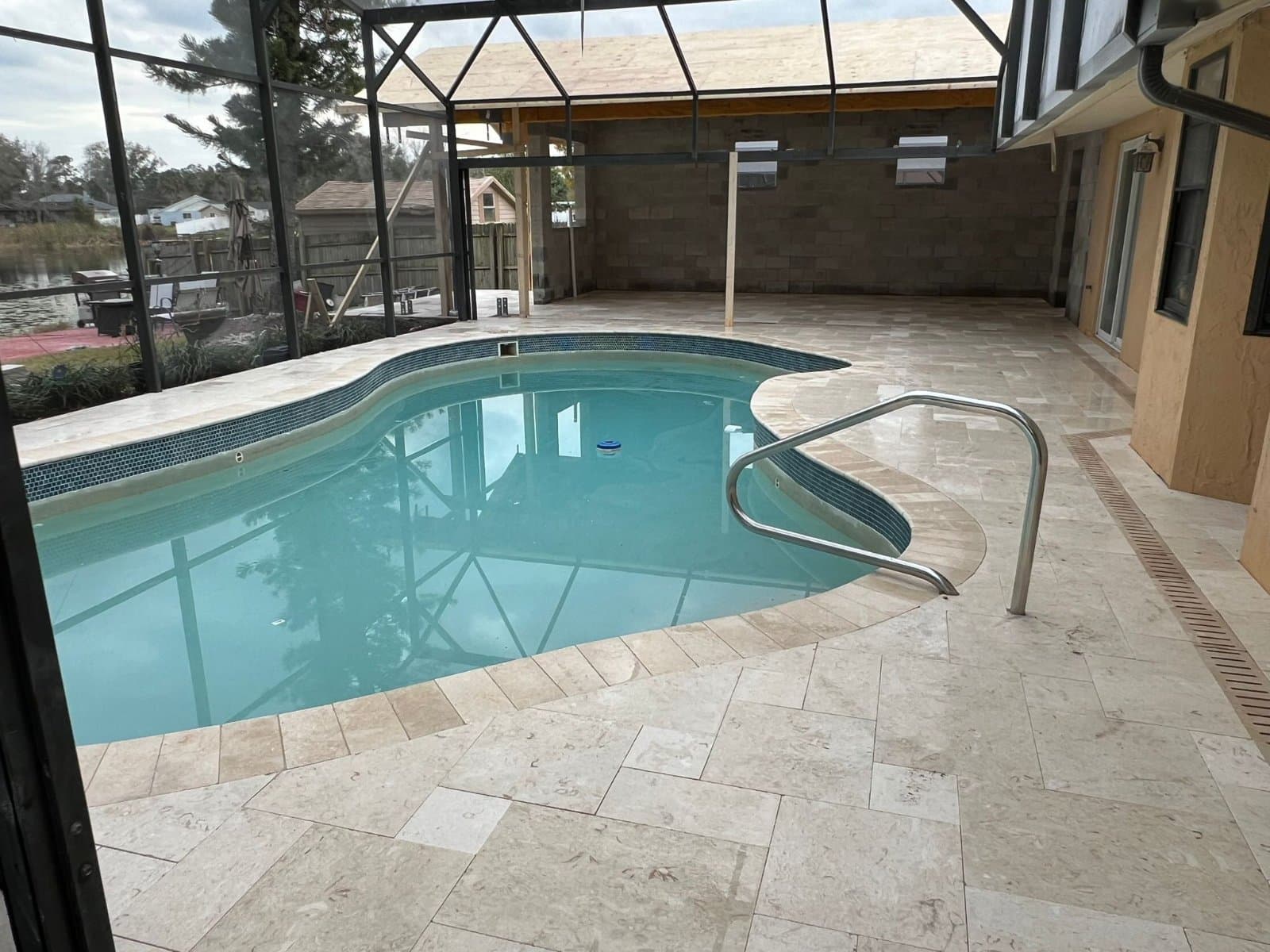
For homes with a pool, the deck is usually the largest hardscape surface in the yard and the one people walk on barefoot. Cracked, stained or slippery concrete decks are one of the most common reasons homeowners call us.
- Choose texture for wet feet: pool decks need a slip-resistant surface. Tumbled or textured pavers, and some travertine and porcelain options, perform better than smooth sealed surfaces.
- Choose color for bare feet: light colors and natural stone like travertine generally stay more comfortable in direct sun than dark concrete pavers.
- Overlay or replace: some sound concrete decks can be overlaid with thin pavers, which avoids demolition. A cracked or settling deck usually needs to come out.
- Keep the barrier in mind: any change to the pool area should keep the pool barrier and gate compliant with Florida's pool safety requirements.
Our guides to pool deck pavers and travertine, brick and porcelain pavers in Florida heat go deeper on materials.
Idea 5: A Fire Pit and Seating Circle for the Cooler Months
Central Florida has a short but excellent fire pit season from late fall into early spring. A paver fire pit area gives the yard a second gathering spot away from the main patio and costs less than most people expect.
- Keep it on pavers or gravel, not grass or turf: sparks and heat damage artificial turf, so the fire pit belongs on a non-combustible surface with a generous margin.
- Mind the distance: place the fire pit well away from the house, the fence, overhanging branches and the screen enclosure. Check your city and HOA rules for open burning and minimum distances.
- Connect it: a paver or stepping-stone path from the main patio makes the area feel planned rather than added.
Idea 6: An Outdoor Kitchen or Grill Station

Florida is one of the few places where an outdoor kitchen gets used most months of the year. Even a simple grill station with counter space and storage changes how a family uses the yard.
- Start with the pad: the kitchen needs a stable, level paver base sized for the counters, the grill clearance and room to work.
- Plan the utilities early: gas, electric and water lines should be run before the pavers go down, and those trades usually need their own permits.
- Think about shade and rain: a kitchen under a roof or pergola gets used far more often than one in full sun.
Our outdoor kitchen and patio pavers guide covers layouts and costs in detail.
Idea 7: Fix Drainage While You Are Already Digging
The least glamorous idea on this list is often the most valuable. If water pools near the house, runs across the patio or washes sand out of the joints every summer, a makeover is the cheapest time to fix it, because the ground is already open.
- Regrade: reshape the yard so water moves away from the foundation and toward a swale or the street.
- Use permeable surfaces: permeable pavers let water soak through the surface into a deep stone base, which can help on lots with impervious surface limits.
- Add a dry creek or gravel channel: a decorative rock channel can carry downspout water across the yard and look intentional.
- Raise low spots before turf goes in: artificial turf drains well only if the ground under it is graded correctly.
Our guide to permeable pavers in Florida explains the drainage rules and where permeable systems make sense.
Idea 8: Family Extras That Get Used Every Week

- Putting green: a short backyard putting green is one of the most popular turf upgrades in Central Florida. See our putting green cost guide.
- Dog run: a fenced turf area with pet-specific infill and good drainage gives dogs a clean place to run without muddy paws after afternoon storms.
- Play zone: turf with a cushioned base under swings and play sets stays clean and usable year round.
- Garden paths: paver or stepping-stone paths to the shed, the side gate and the trash cans keep sand and mud off the patio.
Idea 9: A Low-Water, Florida-Friendly Yard
Florida law supports homeowners who want to cut down on grass. Section 373.185 of the Florida Statutes says a deed restriction, covenant or local ordinance may not prohibit a property owner from using Florida-friendly landscaping, the low-water approach promoted by the University of Florida's IFAS Extension. Combining native plant beds, mulch, pavers and artificial turf can cut mowing, watering and fertilizer to a fraction of what a full lawn needs.
HOAs can still have design standards, so submit plans before work starts. Our guide to HOA artificial turf rules in Florida explains what boards can and cannot require.
How to Plan the Makeover in the Right Order
A backyard makeover goes smoothly when the work happens in a logical order. Doing it out of order is how homeowners end up tearing up new turf to run a gas line.
- 1. Decide how the yard will be used: dining, lounging, play, pets, pool, gardening. Mark each zone on a simple sketch.
- 2. Check the rules: survey, easements, setbacks, impervious limits, permits and HOA approval.
- 3. Solve drainage and grading first: everything else sits on top of it.
- 4. Run utilities: gas, electrical, irrigation changes and lighting conduit go in before surfaces.
- 5. Install hardscape: patios, walkways, pool deck and fire pit area.
- 6. Build the fence: after heavy equipment is done so it does not have to come back down for access.
- 7. Finish with turf and planting: they are the most delicate surfaces and go in last.
Timing matters too. The dry season from late fall through spring is usually the easiest time for paver and turf work, because rain delays are fewer and the base can be compacted on dry ground.
Backyard Makeover Ideas by Budget

Every yard is different, so treat these as planning tiers rather than quotes:
- Starter makeover: fix what looks neglected first. Reset sunken pavers, refresh joint sand, repair or replace a damaged fence section and convert one problem patch of lawn to turf.
- Mid-range makeover: a new paver patio sized for real use, a paver path, a fire pit area and a privacy fence along the back line.
- Full transformation: a new pool deck or large patio, an outdoor kitchen pad, turf play or putting areas, full privacy fencing and regrading to fix drainage.
Our guide to whether hardscaping adds home value explains which upgrades tend to hold their value at resale and which ones you build for your own enjoyment.
Backyard Makeovers Across Central Florida
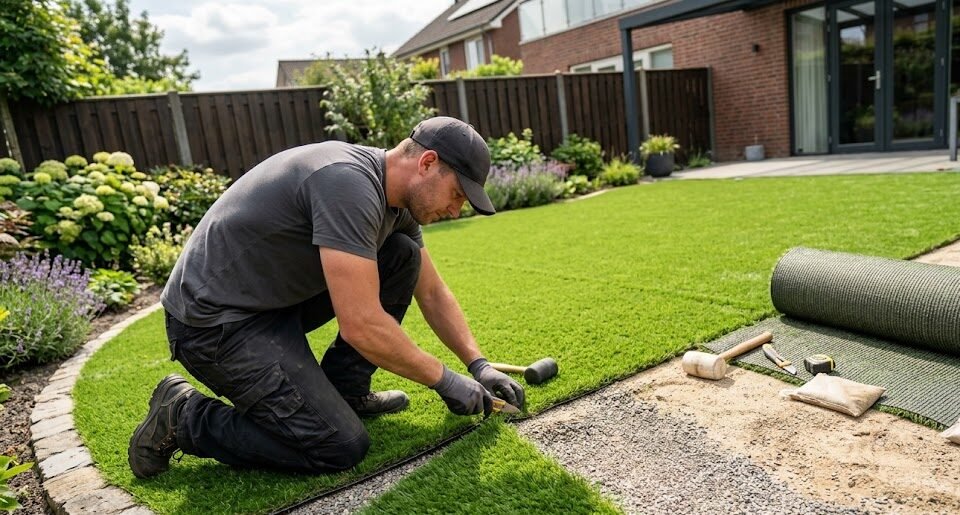
KS Solutions installs brick pavers, artificial turf and fencing across Orange, Osceola, Seminole, Polk, Lake and Volusia counties. We regularly work on backyard makeovers in Orlando, Kissimmee and Lakeland, and we plan each one around the drainage, sun and HOA rules of the specific lot. Bring us your sketch, or just your wish list, and we will help you turn it into a backyard that still looks good after its first Florida summer.