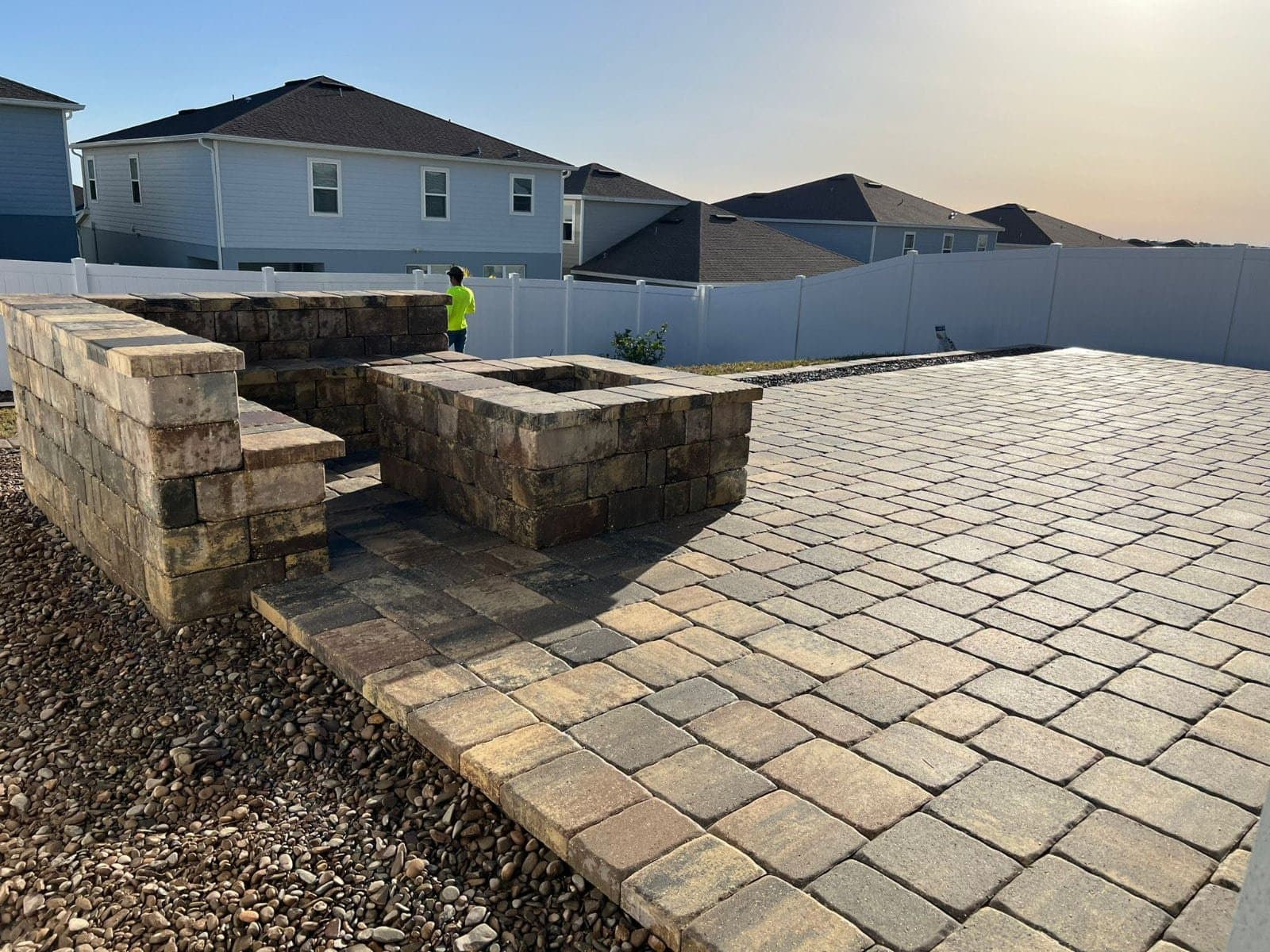
If you are searching for brick paver installation in Central Florida, here is the short answer. KS Solutions designs and installs paver driveways, patios, pool decks, walkways, outdoor kitchen floors, retaining walls, and elevated decks, and builds each one on a compacted base engineered for sandy soil, Florida heat, and heavy summer rain. The starting point is an on-site visit: the crew measures the area, walks through materials, patterns, and colors with you, and gives you the scope and the cost before anything gets scheduled.
What Most People Want Settled Before They Book Pavers
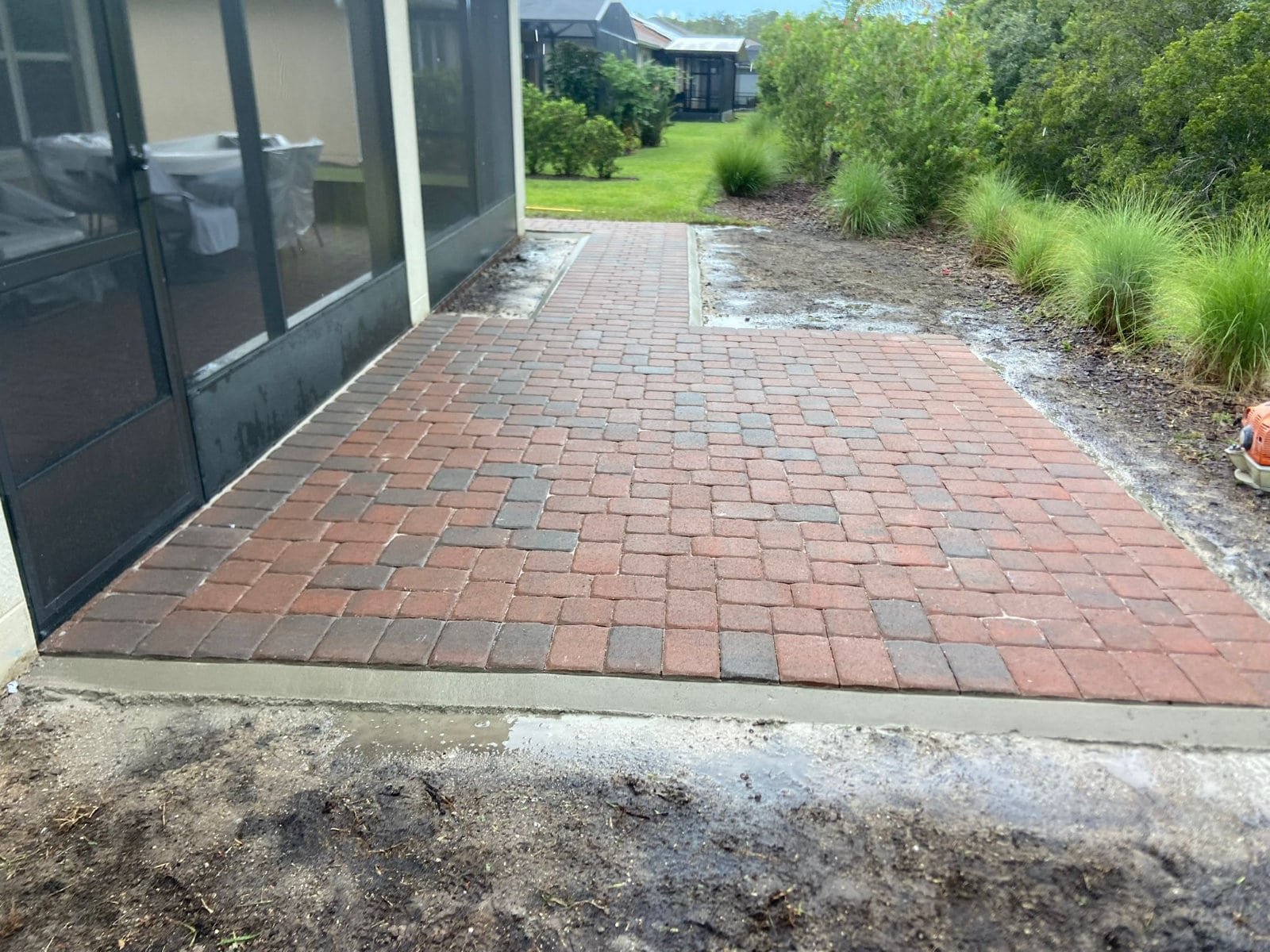
Three questions come up on almost every estimate, and it is worth knowing the answers now instead of halfway through the job.
- Will it hold up, or will it sink? Pavers fail at the base, not at the surface. Depth of excavation, the layers of compacted base material, and the edge restraint are what decide whether a surface stays flat under cars and storms. The full build sequence is laid out further down this page, step by step.
- Who deals with the permit and the HOA? KS Solutions does. We handle every permit and HOA submittal as part of the quote, including the color samples and site plan that master planned communities ask for in an ARC package.
- Which surface are you actually doing? A driveway, a pool deck, and a patio are built to different depths and different finishes. Each one has its own section below, with what changes and why.
What to Have Ready When You Call
Have three things in mind and the estimate goes faster: which surface you want done, rough dimensions or the shape of the space, and whether your neighborhood requires HOA approval. If you are not sure about the dimensions, that is fine. The team measures during the visit. Ask about timing on the call and you will get a straight answer for your project instead of a general one.
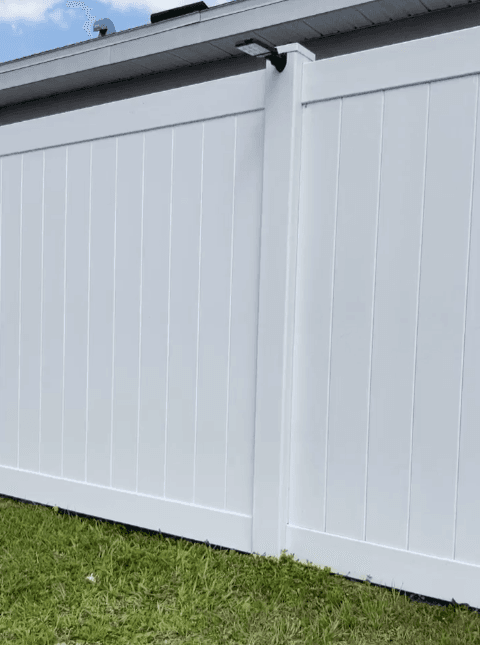
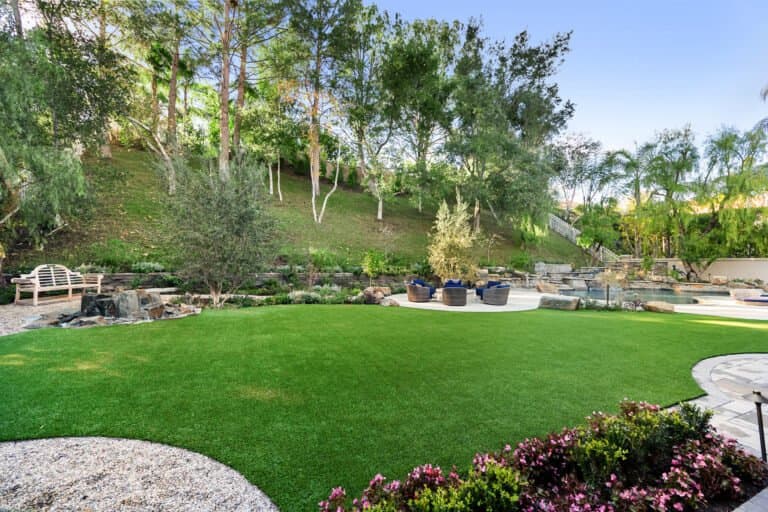
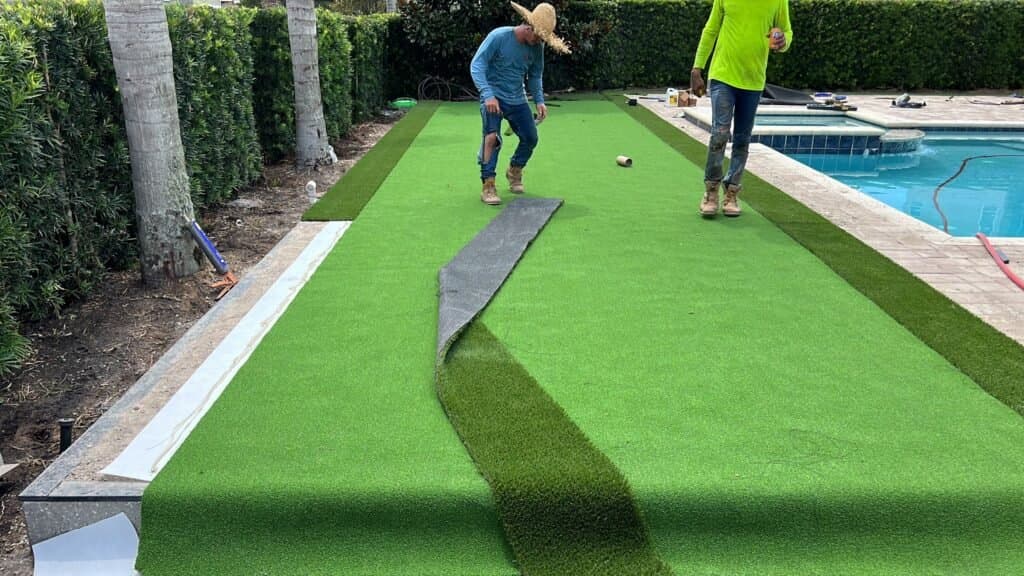
Many Central Florida homeowners pair pavers with other outdoor work. If that is your plan, see artificial turf installation, fence installation, and outdoor maintenance plans, and mention it during the visit so the layouts are designed together.
Brick pavers turn any outdoor area into something that looks sharp and lasts decades. KS Solutions designs and installs custom paver driveways, patios, pool decks, outdoor kitchens, retaining walls, and elevated decks across Central Florida. Every install is engineered for Florida heat, humidity, sandy soil, and heavy summer rain.
Same-day estimates. 1-year labor and parts warranty. No hidden fees.
What Brick Paver Installation Involves
Brick pavers are versatile, functional, and customizable. Our services include:
- Driveway installation for homes and businesses, engineered for vehicle loads and Florida storms.
- Patios and outdoor kitchens for family gatherings and entertaining.
- Walkways and pathways that add charm and structure to landscaping.
- Pool decks with slip-resistant finishes and heat-reflective surface options.
- Custom landscaping features that integrate seamlessly with turf and fencing.
We guide you through choosing the right material, pattern, and color to complement your property.
The KS Solutions Installation Process
A beautiful paver surface starts with what you cannot see, the base. We invest the time and effort to build a foundation that supports your pavers for the long term, even under the demanding conditions of Central Florida.
- On-site consultation. We visit your property to assess the area, discuss your goals, take measurements, and cover material options, colors, and patterns. You leave the visit with a clear understanding of scope and cost.
- Excavation. We excavate to the required depth (deeper for driveways than patios because driveways must support vehicle weight) and remove all organic material, roots, and debris to create a stable subgrade.
- Base material installation. Crushed limestone or limerock installed in layers, with each layer compacted using heavy equipment. This creates a rock-solid foundation that distributes weight evenly and prevents settling.
- Sand bedding layer. A thin layer of coarse bedding sand is spread over the compacted base and screeded to a precise thickness to provide the final leveling surface where pavers sit.
- Paver placement. Our installers place each paver by hand following the design layout, maintaining consistent spacing, checking alignment regularly, and cutting pavers where needed for curves and edges.
- Joint sand and compaction. Polymeric sand swept into joints and activated with water. This sand hardens to lock pavers in place, prevent weed growth, and resist washout from rain.
- Cleanup and final walkthrough. Work area cleared, all debris removed, and a walkthrough with you to make sure everything meets spec.
Benefits of Brick Paver Installation for Central Florida Homeowners
- Durability and longevity. Pavers are designed to withstand Florida's intense heat, rain, and heavy traffic. Unlike concrete slabs, individual pavers are easy to repair if damaged.
- Aesthetic flexibility. Endless patterns and colors enhance curb appeal and allow full customization to match your home's architecture.
- Safety. Slip-resistant surfaces make pavers ideal for pool decks and walkways in Central Florida's wet climate.
- Low maintenance. A sealed paver surface requires minimal upkeep, with occasional cleaning or resealing for best results.
- Added property value. Well-installed pavers increase resale value and make properties more attractive to potential buyers.
(321) 353-7445Get Immediate Service
Permits, HOA Approval, and Local Rules
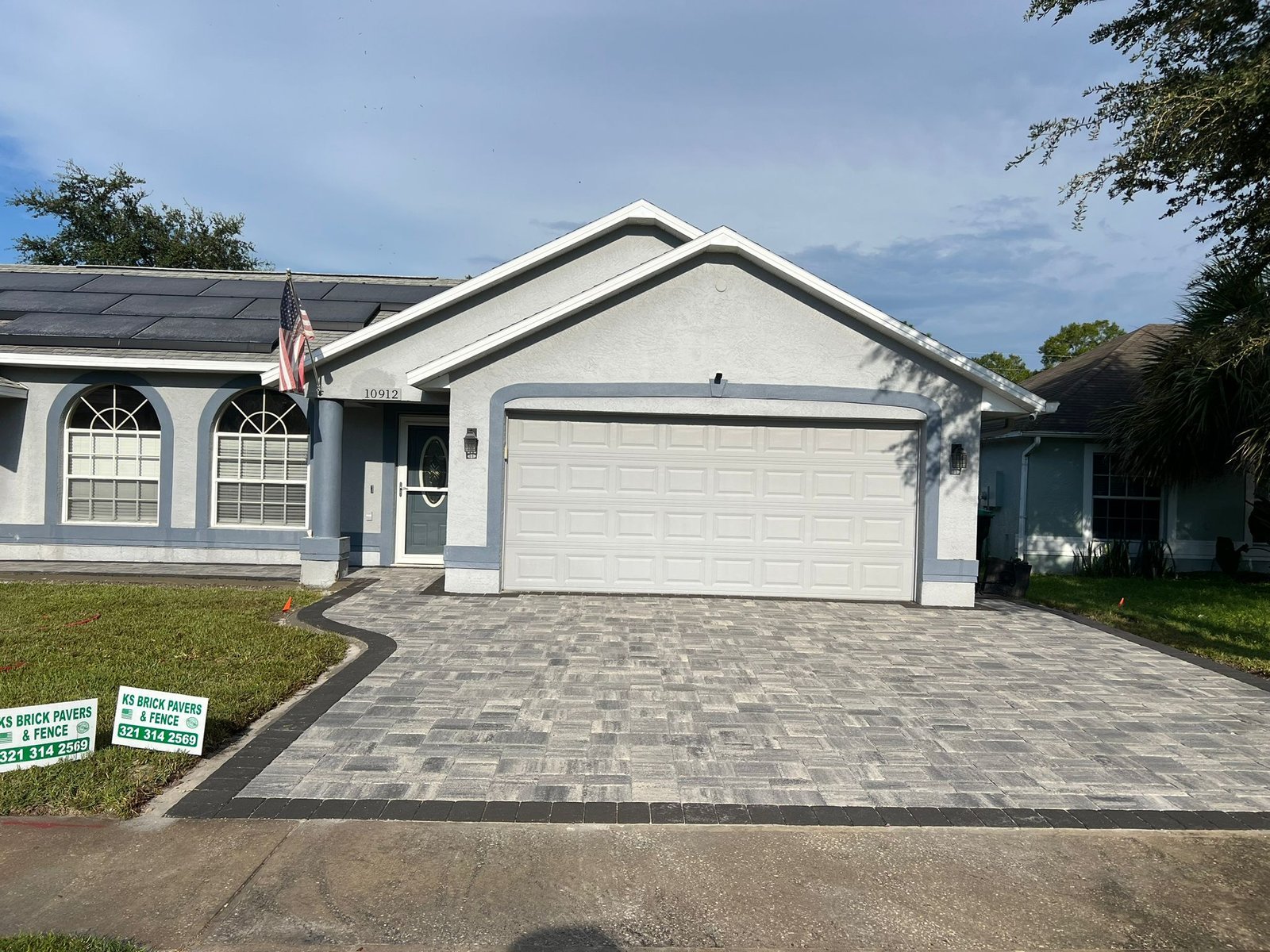
KS Solutions ensures compliance with Florida's building codes and local municipality guidelines. Most Central Florida cities treat paver driveways as a zoning permit rather than a full building permit, with 5 to 15 business day turnaround depending on jurisdiction (Orange Fast Track, Polk Accela, Osceola Permitting, Seminole).
- Permits. Required in many cities for driveway expansions or new hardscape installations.
- Drainage requirements. Proper slope and drainage must be maintained to prevent flooding against the home foundation.
- Pool deck codes. Must meet Florida Residential Pool Safety Act requirements on slip resistance and spacing.
- HOA guidelines. Master-planned subdivisions (Lake Nona, Baldwin Park, Dr. Phillips, Water Ridge, Kings Ridge, Celebration) require ARC packages with color samples and site plan. We handle every permit and HOA submittal as part of the quote.
Patio Paver Installation
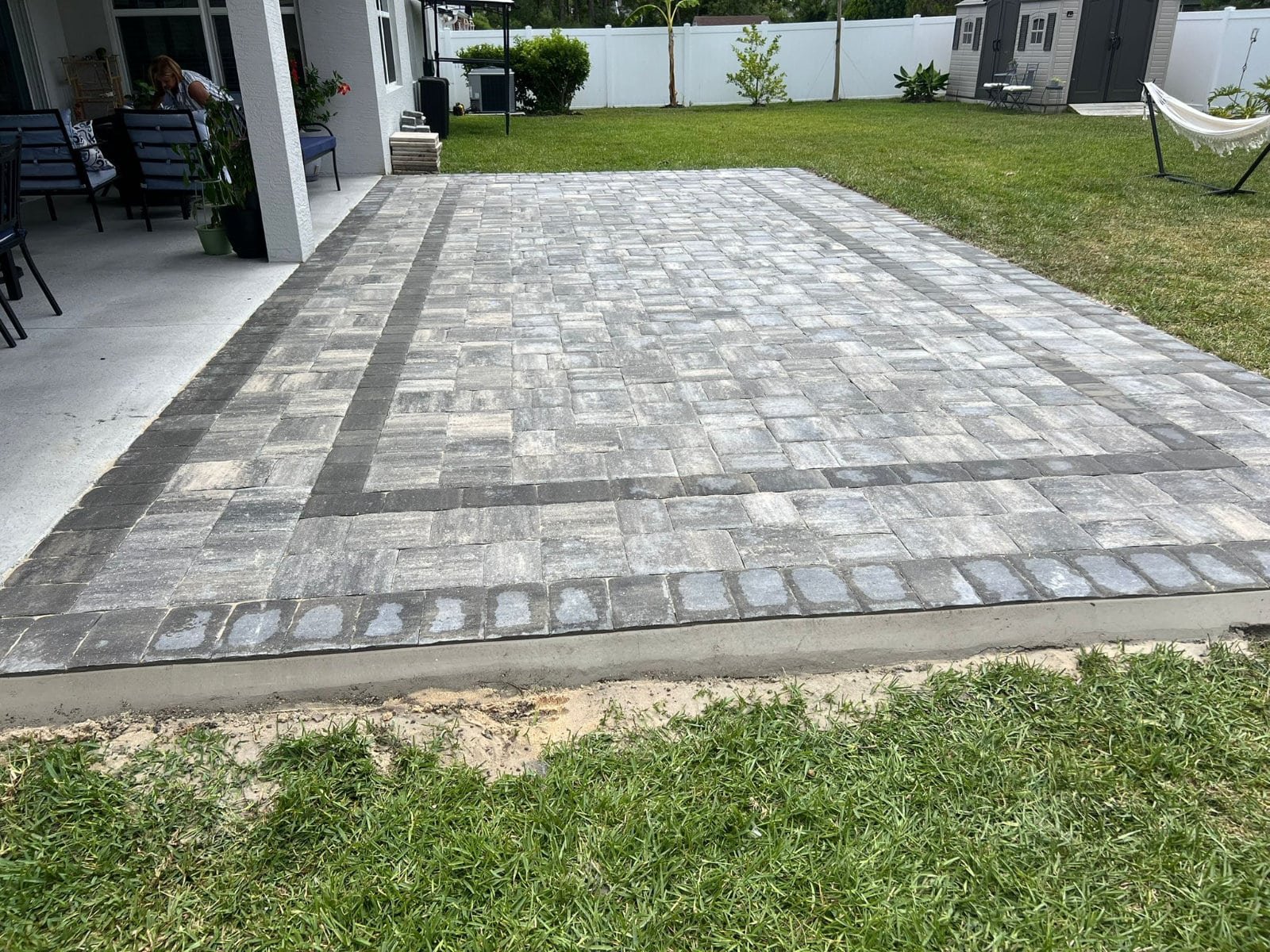
Patio paver installation is the process of creating custom-designed outdoor patios using interlocking brick, stone, or concrete pavers. Unlike poured concrete, pavers provide flexibility, style, and long-term durability. They resist cracking, allow creative patterns, and can be tailored to your home's design. A paver patio becomes the foundation for barbecues, family gatherings, outdoor kitchens, or simply a quiet spot to enjoy Florida evenings.
For most patios, excavation reaches 7 to 9 inches below finished grade to make room for base material, sand, and pavers. The base is graded with a slight slope away from the house to ensure proper drainage, essential in Central Florida's heavy rain conditions.
Benefits of patio pavers
- Aesthetic. Wide variety of colors, patterns, and finishes that complement your home's architecture and create an elegant, inviting atmosphere.
- Functional. Durable surface resistant to Florida's heat and rain, flexible for any layout, with slip-resistant options near pools.
- Financial. Increases property value, easy to maintain for decades of performance, and individual pavers can be replaced without redoing the whole patio.
- Lifestyle. Perfect for outdoor kitchens, seating areas, or fire pits, turning your yard into a usable living space.
Pool Deck Paver Installation
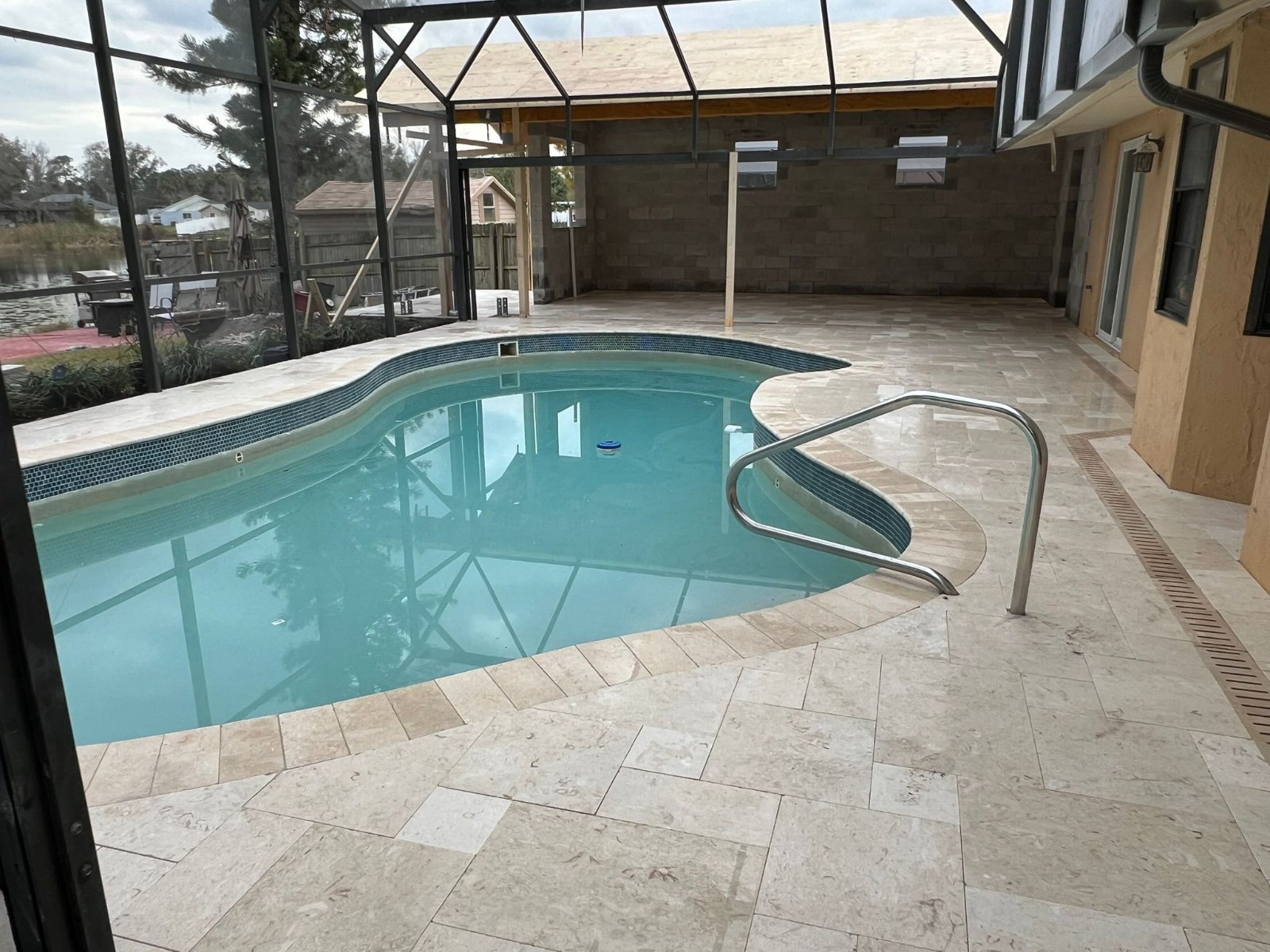
Pool deck paver installation is the process of building a custom pool surround using interlocking brick, stone, or concrete pavers. Unlike plain concrete or tile, pavers are slip-resistant, cooler underfoot, and easy to maintain, which makes them ideal for Florida's hot, humid climate.
Safety and comfort benefits
When designing a pool area, safety and comfort matter as much as visual appeal. Pool deck pavers offer significant advantages compared to traditional materials like poured concrete or tile:
- Slip resistance. Wet surfaces become hazardous quickly, especially when children are running in and out of the water. Many traditional concrete decks become extremely slippery when wet. Pavers naturally provide more traction because of their textured surfaces and small joints between each unit, reducing slipping and creating a safer walking surface for families and guests.
- Temperature control. During hot summer months in Florida, standard concrete pool decks absorb intense heat from the sun and become uncomfortable to walk on barefoot. Pool deck pavers, especially materials like travertine or specially designed concrete pavers, are engineered to reflect heat rather than absorb it. This keeps the surface noticeably cooler even on the hottest days.
- Durability under stress. Over time, large concrete slabs develop cracks from soil movement, moisture changes, or tree roots. These cracks create tripping hazards and expensive repairs. Paver systems avoid this because they are installed as interlocking units on a compacted base that allows for natural movement without cracking. If a single paver gets damaged or stained, it can be replaced individually without disturbing the rest of the deck.
Benefits of pool deck pavers
- Safety. Slip-resistant surfaces reduce accidents, cooler to the touch than standard concrete, even and stable surface around the pool.
- Aesthetic. Wide range of colors, patterns, and finishes. Complements landscaping and creates a resort-style look.
- Practical. Durable against Florida's heat, rain, and pool chemicals. Easy to repair, low maintenance compared to painted or tiled decks.
- Financial. Increases property value with luxury outdoor design. Long-lasting investment backed by warranties.
Driveway Paver Installation
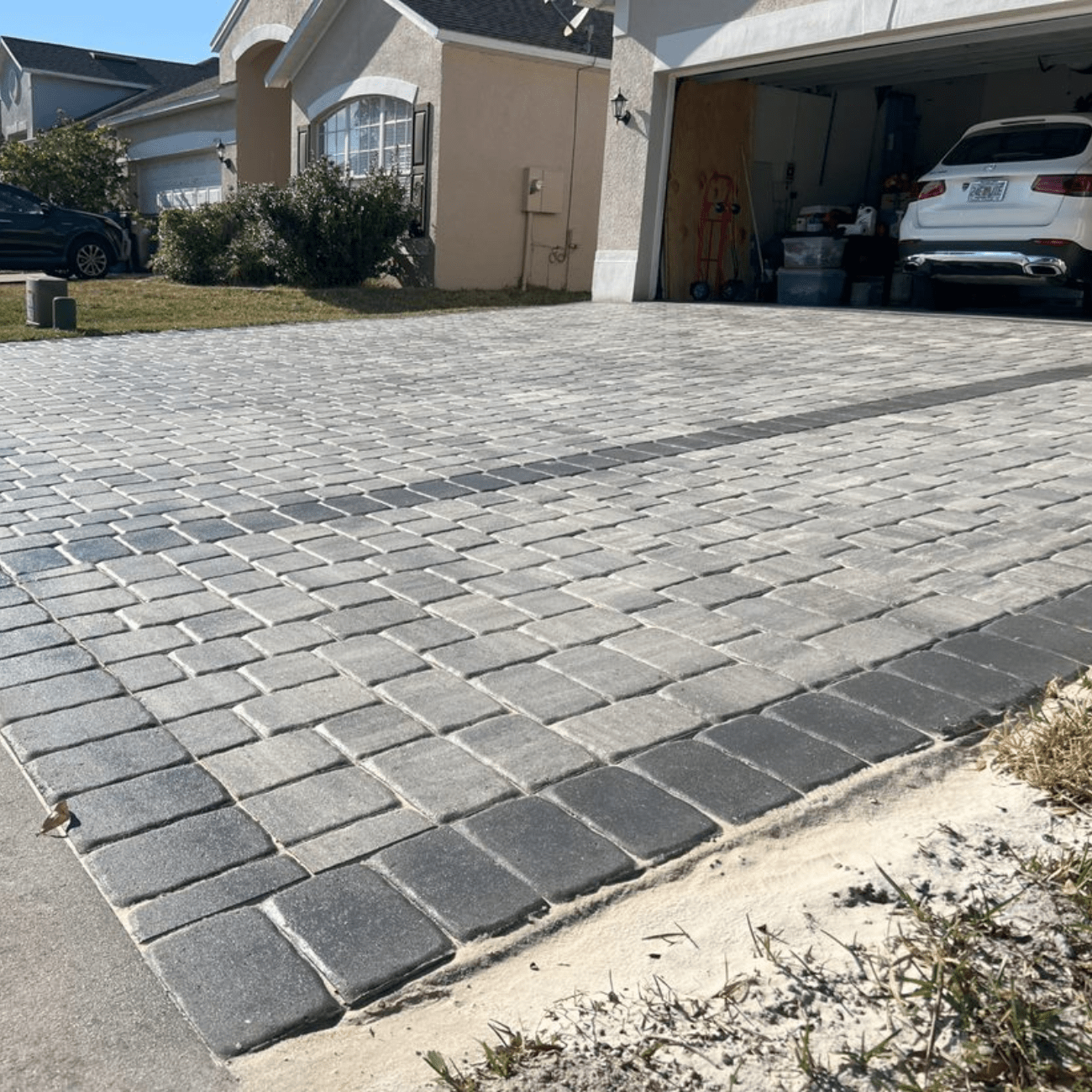
Driveway paver installation replaces traditional concrete or asphalt with interlocking brick or stone pavers, designed for durability and style. Unlike poured concrete, paver driveways are flexible, resistant to cracking, and customizable in color, pattern, and finish. We install driveways engineered to handle heavy vehicle loads while adding architectural elegance to your home.
Driveways carry vehicle loads, so we build on 6 to 8 inches of compacted Class II road base over geotextile fabric. Edge restraint is concrete bond-beam (not plastic spikes, which fail in sandy soil inside a few years). Permeable options are available in communities with impervious-surface coverage caps.
Benefits of driveway pavers
- Aesthetic. Wide variety of colors, patterns, and textures that enhance curb appeal with a premium look.
- Practical. Strong and durable under constant vehicle traffic, resistant to cracking and shifting, easy to repair individual pavers if damaged.
- Financial. Increases property value and buyer appeal, low maintenance with decades of performance.
- Environmental. Permeable options improve drainage and reduce water pooling during Florida storms.
In Central Florida communities like Poinciana and Davenport, HOAs often regulate driveway appearance. Paver driveways are usually HOA-approved because they maintain a clean, uniform, and upscale look.
Outdoor Kitchen and BBQ Area Pavers
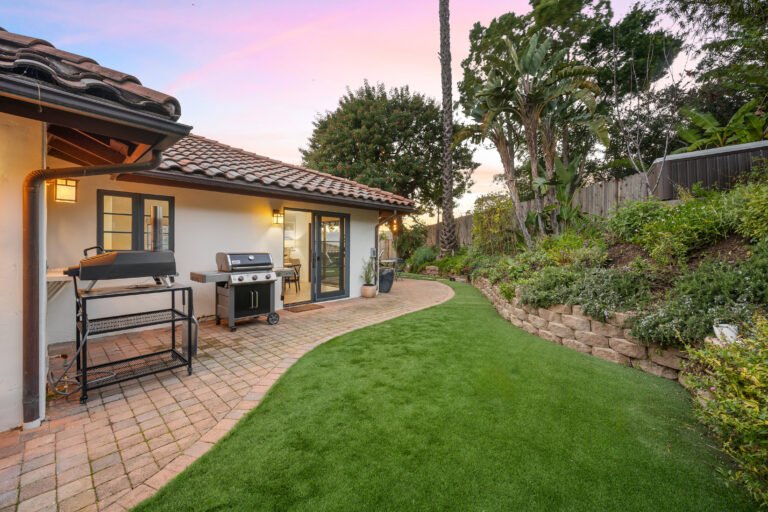
Outdoor kitchen and BBQ area paver installation involves building custom patios and foundations for outdoor kitchens, grills, and entertainment spaces using interlocking pavers. Unlike poured concrete or wood decks, pavers are slip-resistant, heat-resistant, and easy to maintain, perfect for Florida's hot, humid climate.
A paver base also allows you to add built-in features such as grilling stations and BBQ islands, outdoor dining and seating areas, fire pits and pizza ovens, and countertops with storage cabinets.
Benefits of outdoor kitchen pavers
- Aesthetic. Creates a high-end, resort-style look in your backyard and complements pool decks, patios, and landscaping.
- Functional. Heat-resistant surface safe for grills and fire pits, slip-resistant design for safety around food and drinks, stable durable foundation for heavy appliances and furniture.
- Financial. Increases property value by enhancing outdoor living. Easy to repair, long lifespan with minimal maintenance.
- Lifestyle. Expands your living space outdoors, ideal for entertaining family and friends, creates a year-round gathering spot for meals and celebrations.
Paver Retaining Walls
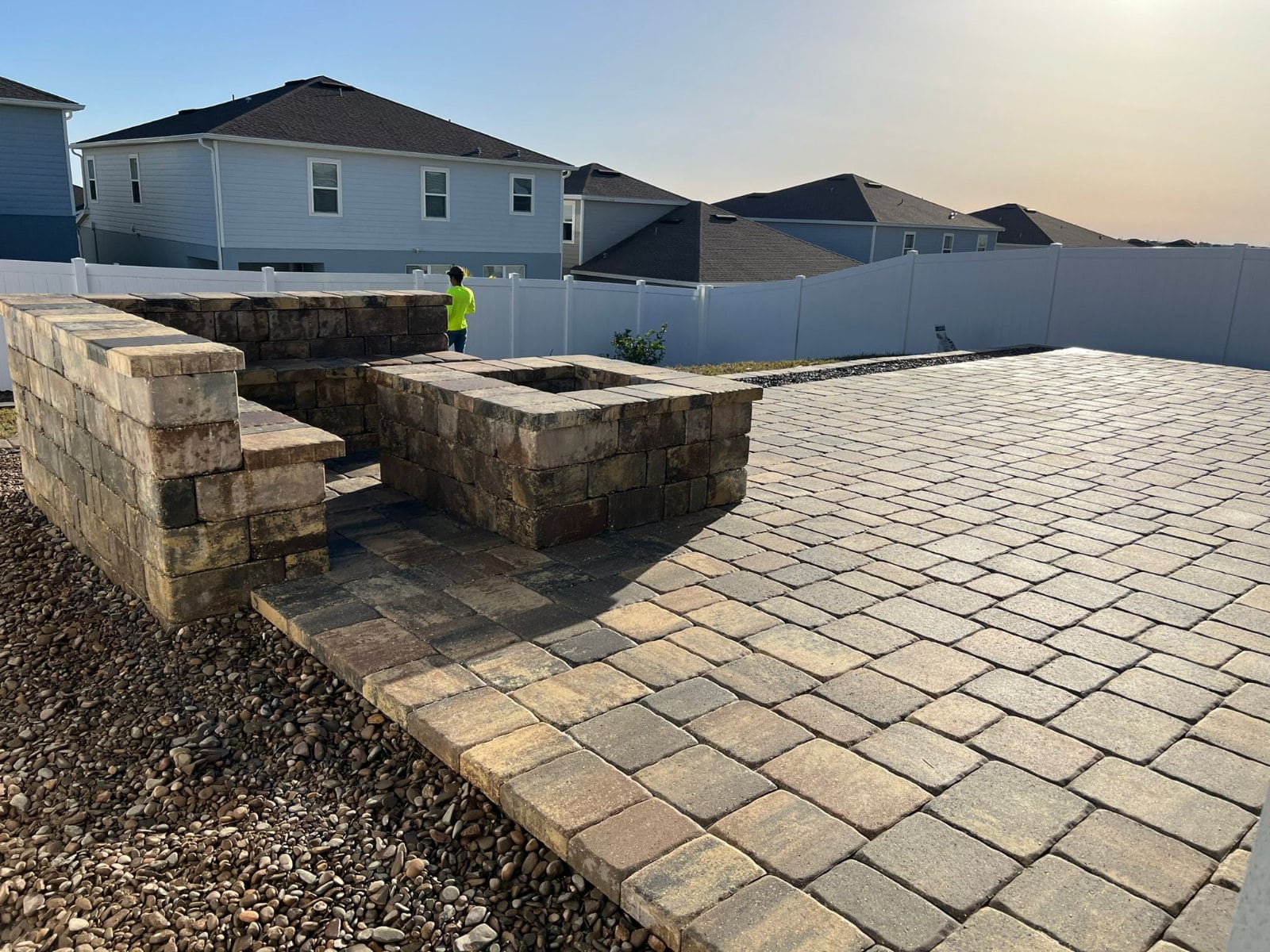
Retaining walls are structural features built to hold back soil, prevent erosion, and create level outdoor spaces. Unlike plain concrete blocks, paver retaining walls combine durability with design flexibility, turning a functional necessity into an architectural highlight. We use premium pavers engineered for strength, ensuring your retaining wall withstands Florida's rain, humidity, and shifting soil while adding timeless elegance to your yard.
When you need a retaining wall
Retaining walls serve both functional and decorative purposes. Common scenarios:
- Erosion control. Central Florida receives 50 to 60 inches of rain each year, often in heavy downpours. Sloped landscapes frequently lose topsoil, mulch, and plants. A retaining wall stabilizes soil and prevents erosion during storms.
- Grade management. Properties with uneven terrain often have areas that are difficult to use. Retaining walls create level terraces, transforming slopes into usable areas for gardens, patios, play areas, and lawn spaces.
- Drainage solutions. Retaining walls can also help control water flow. Properly designed systems redirect runoff away from home foundations, driveways, and low areas prone to flooding. When paired with drainage systems, retaining walls help manage stormwater effectively.
- Landscape enhancement. Even on relatively flat properties, retaining walls add dimension. Low retaining walls can create raised garden beds, define outdoor spaces, and provide built-in seating.
- Property value. Professionally built retaining walls demonstrate that landscape challenges have been addressed with permanent solutions, increasing property value and overall curb appeal.
Benefits of paver retaining walls
- Functional. Prevents soil erosion and water runoff, creates level areas for patios and gardens, supports raised flower beds and landscaping features.
- Aesthetic. Available in multiple colors, shapes, and finishes. Blends seamlessly with driveways, patios, and walkways.
- Financial. Protects your home's foundation from erosion damage. Increases property value with a polished, functional landscape.
Elevated Paver Decks and Balconies
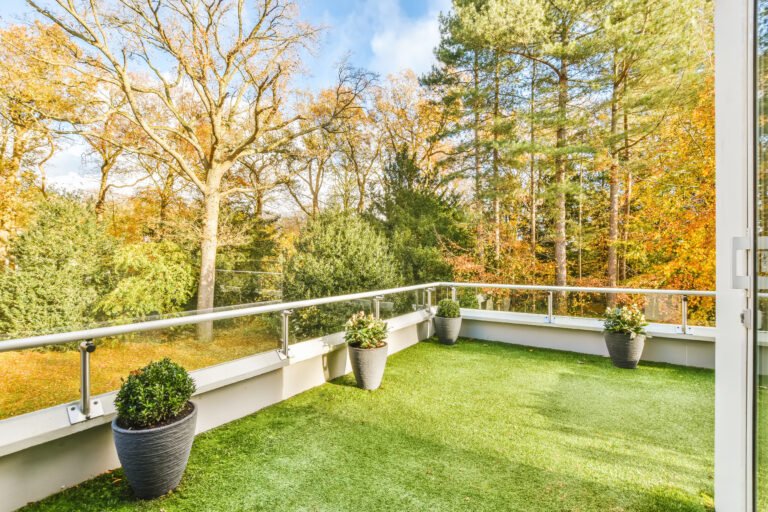
An elevated paver deck uses a pedestal support system to hold individual pavers above an existing surface such as a concrete slab, rooftop, balcony, or compacted ground. Each pedestal is adjustable in height, allowing installers to create a perfectly level deck even when the base surface is uneven or sloped. The pavers sit on top of the pedestals without adhesive or mortar, creating a floating deck system.
This design provides several advantages: water drains freely between pavers, air circulates beneath the surface, and moisture buildup is prevented. The space beneath the paver surface can also hide utilities such as electrical wiring, lighting systems, irrigation lines, and drainage systems, creating a clean, uncluttered deck surface with no visible pipes or cables.
Advantages over traditional decking
Elevated paver decks offer major benefits compared to wood or composite decking, especially in Florida's humid climate:
- Zero structural maintenance. Wood decks require staining, sealing, board replacement, and regular structural maintenance. Composite decks require less maintenance but still fade, scratch, and develop mold in humid climates. Paver decks require none of these repairs. Pavers are naturally UV resistant, moisture resistant, and weather durable. They will not rot, warp, splinter, crack, or fade.
- Superior durability. Structural pavers used in elevated deck systems have compressive strengths exceeding 8,000 PSI. They easily support outdoor furniture, heavy foot traffic, and grills or outdoor kitchens. Unlike wood decks, a paver deck feels solid and stable underfoot.
- Heat management. Wood and composite decks often become extremely hot under Florida sunlight. Pavers reflect more heat and remain cooler underfoot, especially lighter-colored options. The air space beneath the pavers also improves airflow, reducing surface temperature further.
- Design versatility. Pavers are available in a wide range of colors, textures, sizes, and patterns. You can create designs that resemble natural stone, concrete, porcelain tile, or brick. This flexibility allows elevated paver decks to match nearly any architectural style.
- Longevity. A properly installed elevated paver deck can last 30 to 50 years or more. The pedestal system is typically made from UV-resistant polypropylene that does not degrade over time. Wood decks last about 10 to 15 years and composite decks 20 to 25 years, so elevated paver systems significantly outperform both.
Benefits of elevated paver decks
- Aesthetic. Wide choice of paver colors and patterns, creates a resort-style look, integrates with patios, pools, or walkways.
- Functional. Provides a stable level surface on uneven terrain, safer and longer-lasting than wood decks, easy to replace individual pavers.
- Financial. Increases property value by expanding outdoor living space. Long lifespan with minimal upkeep, attractive to buyers looking for luxury outdoor features.