The Short Answer: 7 to 15 Years, and the Spread Is About You
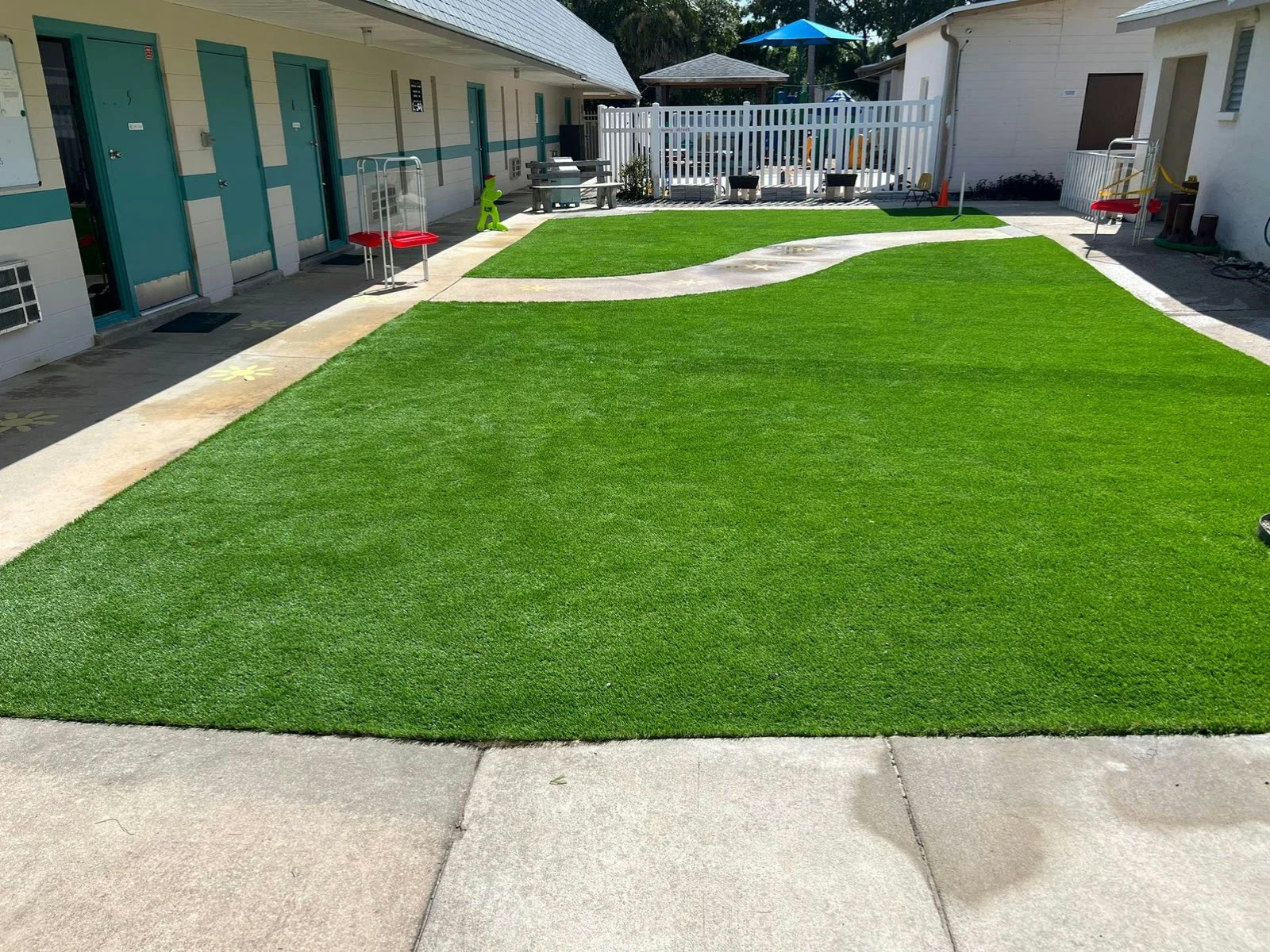
Run the complete comparison on a typical 2,500 square foot Florida lawn and artificial turf pays back somewhere between seven and fifteen years. That is a wide band, and the width is the most useful thing in this article, because it is not caused by product differences. It is caused by what you currently spend on the lawn you already have.
A homeowner paying for a full-service lawn contract, running an irrigation system on a metered supply, and replacing patches of grass after every chinch bug season reaches payback near the seven-year end. A homeowner who mows their own lawn on a Saturday, waters lightly and tolerates some brown reaches the fifteen-year end, and may never reach payback at all. Same yard, same turf, completely different answer.
That is why the honest first question is not which is better. It is what your lawn actually costs you right now, in dollars that leave your account. Everything below is the arithmetic for answering that.
What Each Option Costs to Install in Florida
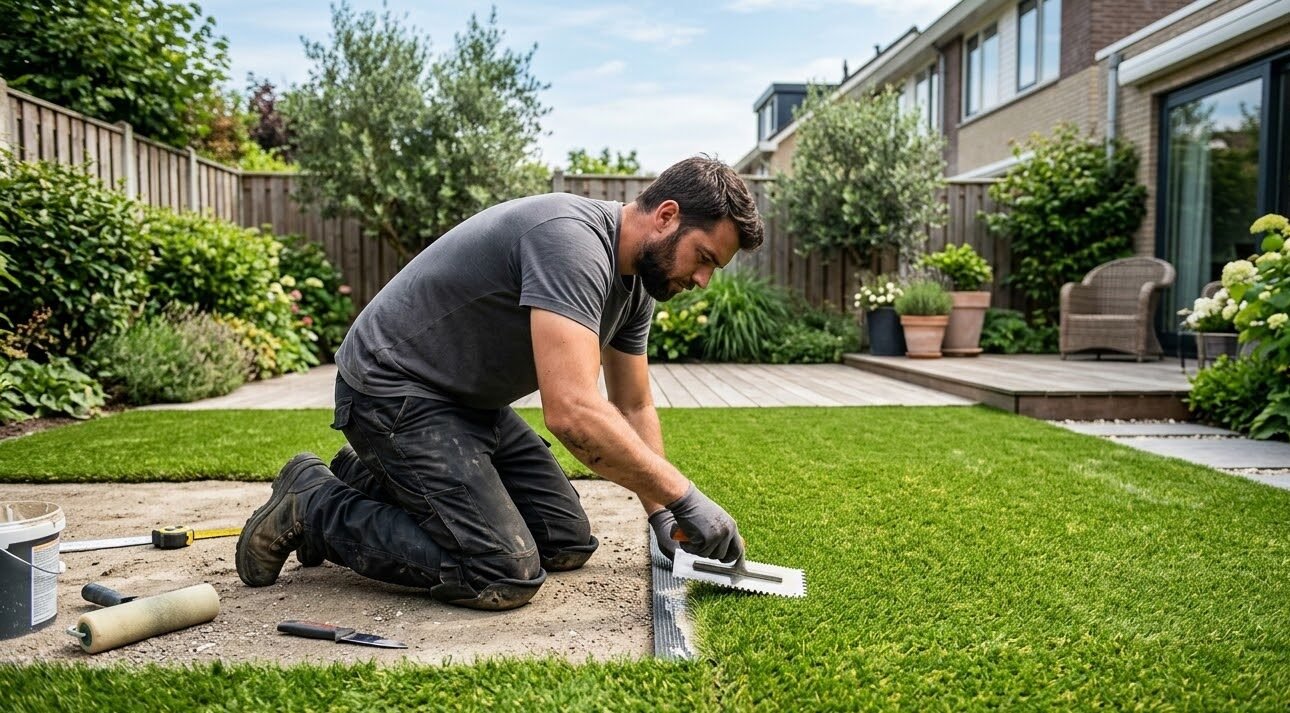
Install pricing is the least controversial part of this comparison, and it is where the gap is widest.
- Artificial turf: Roughly $10 to $16 per square foot installed in Florida, with $12 being a common midpoint for a residential lawn. The broad statewide range runs about $8 to $18 depending on product weight, infill choice, base depth and site access.
- Sod: Roughly $0.87 to $1.76 per square foot installed, and often $1 to $3 in markets where site prep is involved or a premium variety is specified.
On a 2,500 square foot lawn that is about $30,000 for turf against roughly $2,200 to $4,400 for sod. Nobody argues about this part. The turf install is a serious capital expense and should be treated like a roof or a driveway, not like a landscaping purchase.
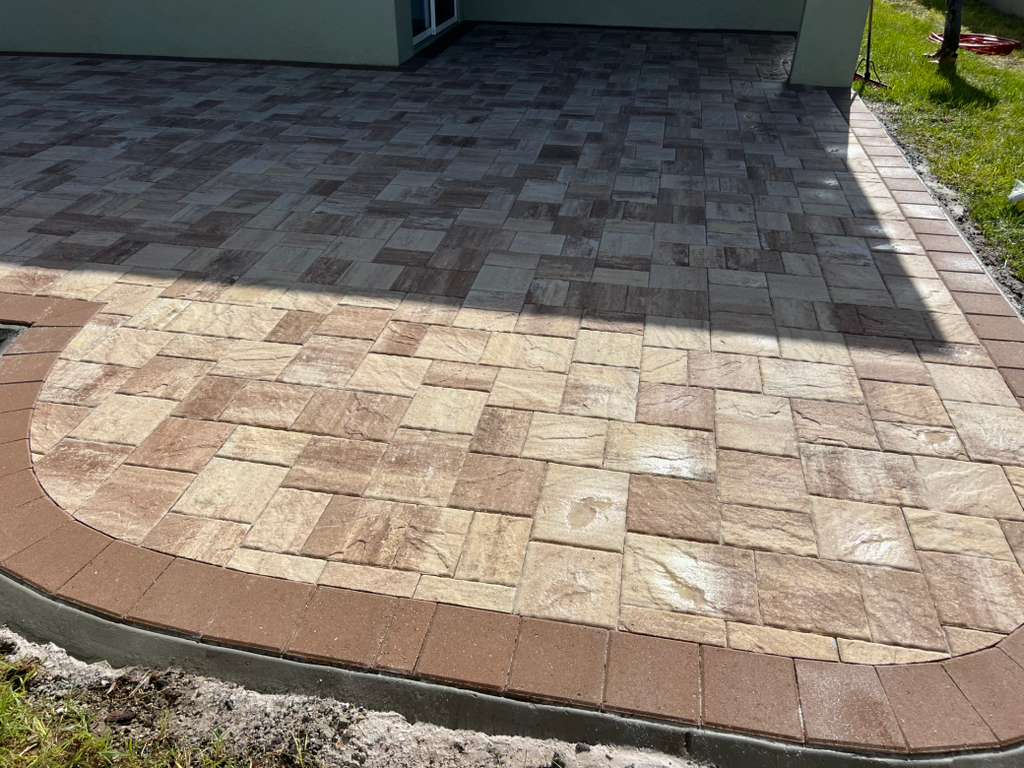
What drives turf pricing more than anything is what goes underneath. The base is compacted aggregate, and its depth and drainage design determine whether the surface stays flat and drains during a Florida downpour. A quote that is several dollars per square foot below the market is almost always saving money in the base, and that is the one layer you cannot fix later without pulling everything up. Base quality is exactly the same principle that governs a paver install, which we cover in detail under brick paver installation.
What Each Option Costs to Keep, Year After Year
This is where the comparison actually gets decided, and it is the section most quotes skip.
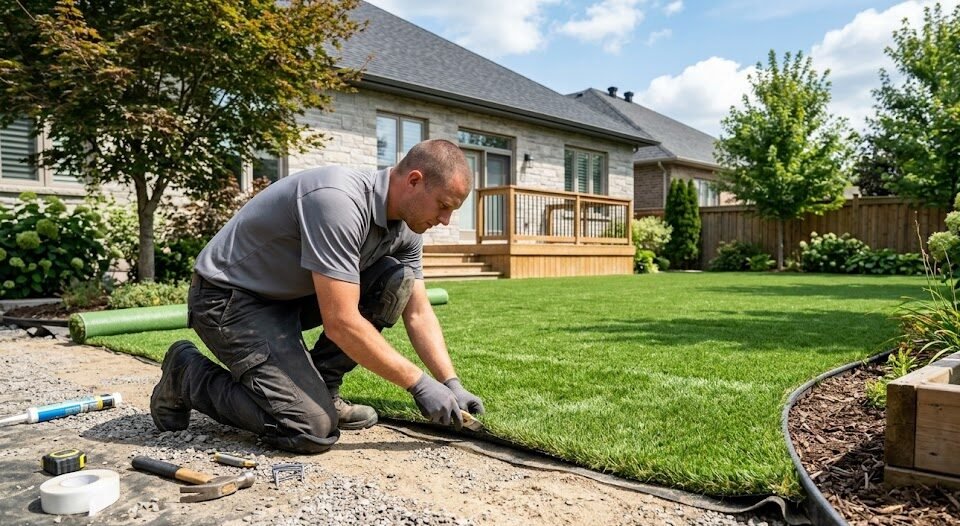
- Artificial turf annual upkeep: Commonly $100 to $200 per year. That covers occasional rinsing, brushing the fibers upright in high-traffic lanes, topping off infill every few years and pulling the odd weed that germinates in surface debris. There is no water, no mower, no fertilizer, no fungicide and no seasonal treatment schedule.
- Natural lawn annual upkeep: A full-service lawn care program on a medium Florida yard commonly runs $1,500 to $3,000 per year covering mowing, fertilization, pest and fungus treatment and seasonal repairs. Doing it yourself replaces most of that cash cost with equipment, materials and roughly 30 to 50 hours a year of labor.
Florida punishes lawns harder than most of the country. Chinch bugs, sod webworms, brown patch fungus and nematodes all thrive here, and the treatment calendar that keeps St. Augustine looking presentable is a recurring line item rather than an occasional one. Partial replacement after a bad season is normal, not exceptional, and it is a cost most homeowners forget when they estimate what their lawn costs them.
The Water Line: 55,000 Gallons per 1,000 Square Feet
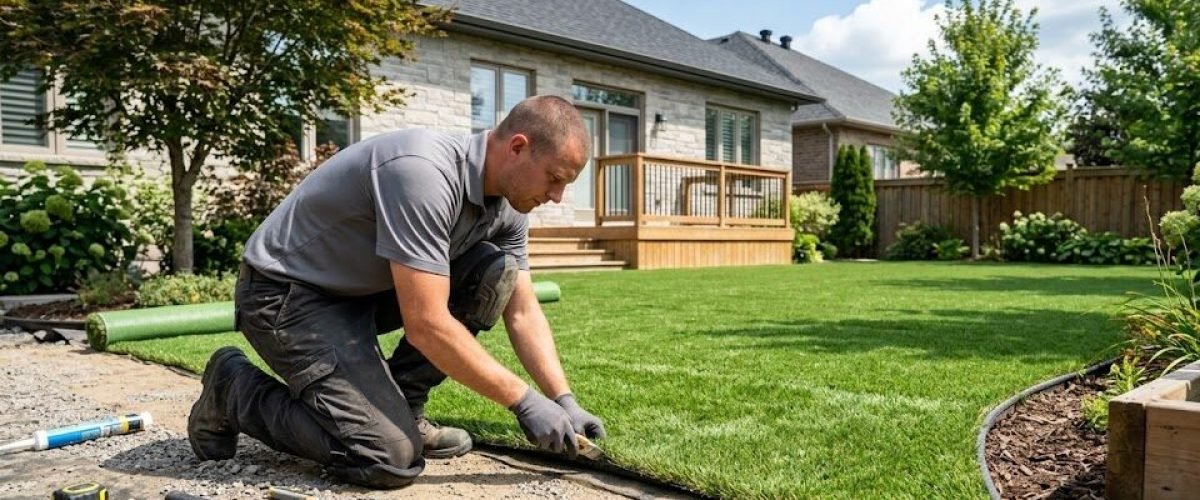
Irrigation is the largest single-use of water for a Florida single-family home with an automated in-ground system, and it is the number that makes the turf case. A quality turf installation eliminates roughly 55,000 gallons of irrigation per year for every 1,000 square feet of lawn replaced. On a 2,500 square foot lawn that is roughly 137,500 gallons a year that simply stops being consumed.
Converting gallons to dollars is where most comparisons go wrong, because Florida water pricing is tiered and irrigation lands in the upper tiers by definition. A utility might charge a little over a dollar per thousand gallons in the base residential tier, but heavy irrigation volume pushes consumption into higher blocks where the rate climbs steeply. For most Central Florida households, eliminating 137,500 gallons of irrigation saves somewhere between $375 and $1,000 per year on the water line alone.
Two things widen that range further. Reclaimed water service, available in parts of Central Florida, is priced far below potable and shrinks the savings considerably. A well, on the other hand, makes the water essentially free at the meter while still costing pump electricity, which moves the whole calculation toward sod.
(321) 353-7445Get Immediate Service
The Meter Question That Swings It by Hundreds a Year
Here is the detail almost nobody checks before deciding, and it is worth a phone call to your utility before you sign anything. In much of Florida, wastewater charges are calculated on metered water consumption, and wastewater is typically several times the price of the water itself. In Orlando, for example, each additional thousand gallons commonly adds roughly a dollar for water and around six dollars for wastewater on a combined bill.
If your irrigation runs on a dedicated irrigation meter, that water is not charged wastewater, because it never enters the sewer. If your irrigation runs off the household potable meter and your utility bills wastewater on total consumption without a cap, then every thousand gallons you sprinkle onto the lawn is being billed as though it went down a drain. On 137,500 gallons a year, that difference is the single largest variable in this entire comparison.
- Separate irrigation meter: Water only. Your savings land toward the lower end of the range, and the turf payback stretches out.
- Potable meter with wastewater billed on consumption: Water plus sewer. Your savings can more than double, and turf payback shortens dramatically.
- Well or reclaimed supply: Minimal metered savings. The case for turf has to be made on maintenance, heat and time instead.
Call the utility, ask which of those three describes your account, and get the number before comparing quotes. It takes ten minutes and it is worth more than any brochure in the stack.
The 10-Year Math on a 2,500 Square Foot Florida Lawn
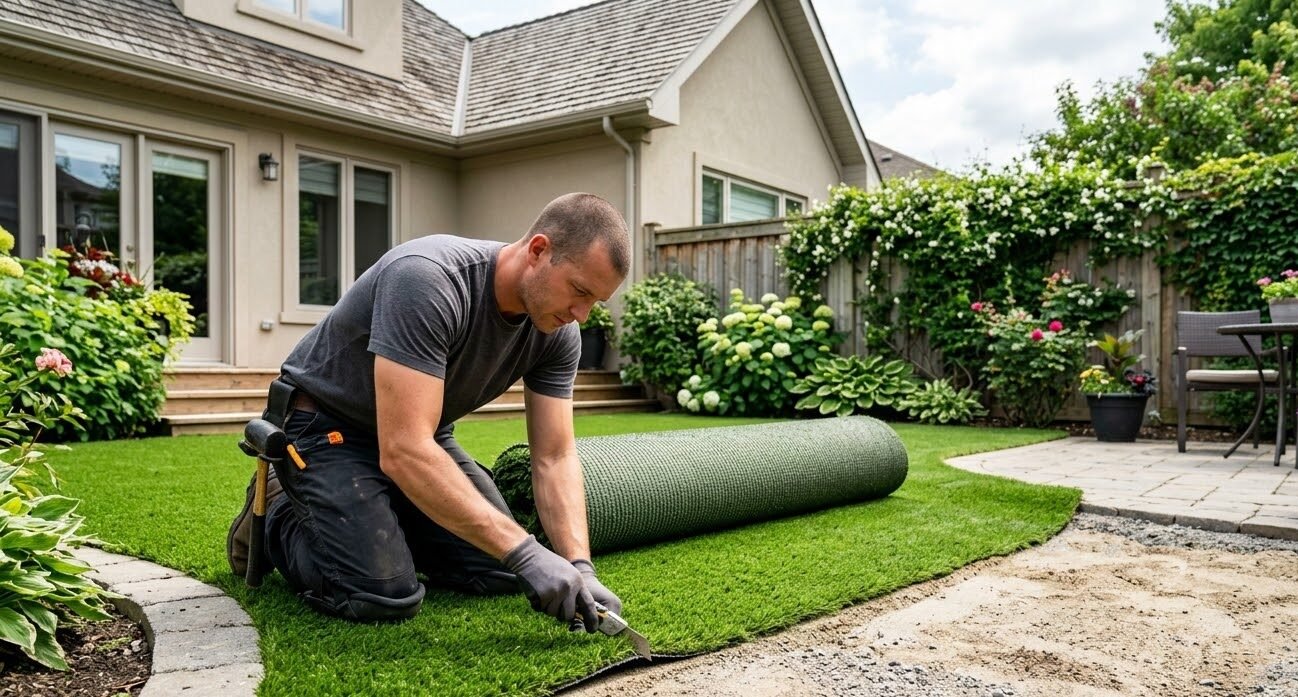
Now put it together. This is a full-conversion scenario, meaning the entire irrigated lawn area is replaced and the irrigation zones serving it are shut off.
- Turf, ten-year total: About $30,000 to install, plus roughly $1,500 in ten years of upkeep, for around $31,500. Where a grass removal rebate is available, and some Florida programs offset $1 to $3 per square foot, that total can drop by several thousand dollars.
- Sod, ten-year total: Roughly $2,200 to $4,400 to install if starting from bare ground, plus $1,500 to $3,000 per year in care and $375 to $1,000 per year in water. Over ten years that is roughly $21,000 to $44,000, before counting partial replacements after pest or fungus damage.
The crossover therefore lands between about seven years at the high-maintenance end and about fifteen years at the low-maintenance end. Seven-year payback is real, but it belongs to the homeowner already paying a lawn service every month and watering on a metered potable supply. Anyone mowing their own yard should plan on the long end of that band and decide based on the non-financial benefits instead.
Why Partial Conversion Almost Never Pays Back
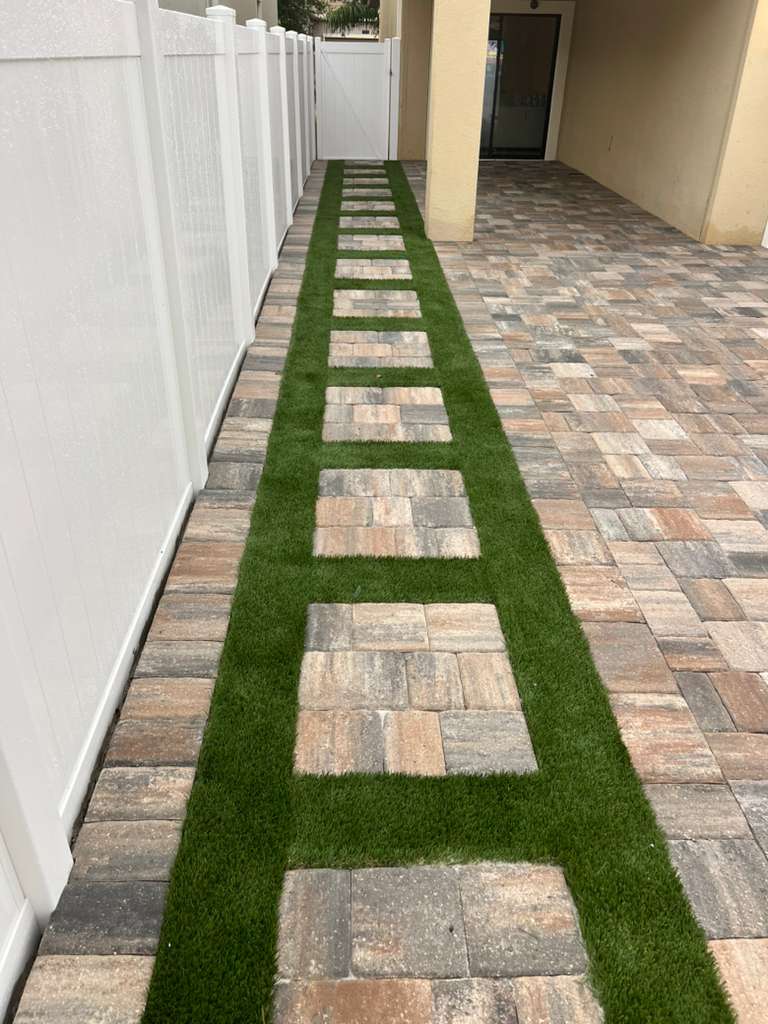
This is the mistake that breaks more turf budgets than any other. A homeowner converts a 600 square foot side yard or a patch under a tree where grass never grew, and expects the savings math to scale down proportionally. It does not, because the recurring costs do not scale down.
You still own a mower. You still pay the lawn service, because they still come out, and the price barely moves for a slightly smaller route. The irrigation clock still runs for the remaining zones. What actually disappears is a fraction of the water and none of the fixed costs, which means the payback on a partial conversion often stretches past twenty years even when full conversion would have paid back in eight.
Partial conversion is still a perfectly good decision, it just has to be justified differently. Replacing the strip of dirt under a live oak where nothing will grow, or a dog run that has become mud, is a solution to an appearance and usability problem. Treat it that way, price it as an improvement, and do not expect it to pay for itself. Where partial conversion genuinely earns its keep is with dogs, which we covered in pet-friendly artificial turf in Florida.
How Long Turf Actually Lasts in Florida Sun
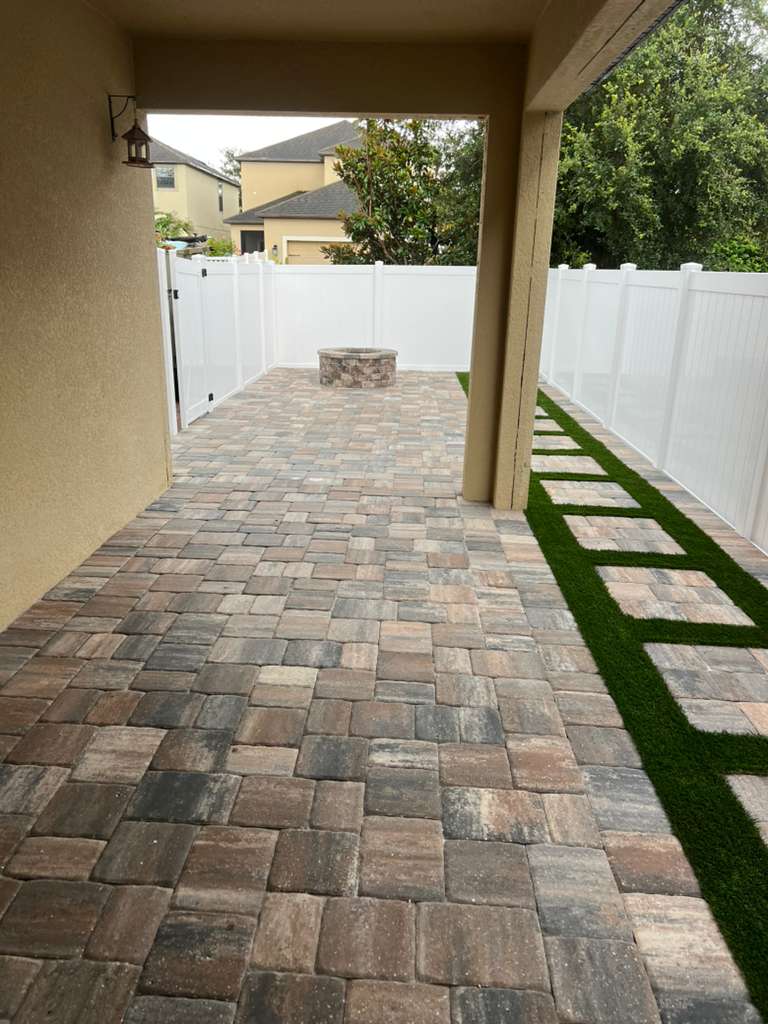
Every payback calculation assumes a service life, so this number deserves scrutiny. Manufacturers commonly warrant residential turf for 8 to 15 years, and Florida sits at the harsh end of what those warranties assume. Ultraviolet exposure here is close to the national maximum, and it is UV degradation rather than foot traffic that ends most Florida turf installations.
What that means practically is that a fifteen-year payback and a fifteen-year service life are uncomfortably close together. If your situation puts you at the long end of the payback band, turf is a lifestyle purchase rather than a financial one, and that is a legitimate reason to buy it. It is not a legitimate reason for a salesperson to tell you it pays for itself.
Three things extend service life meaningfully: a high-quality UV-stabilized fiber rather than the cheapest available product, a properly compacted and drained base that prevents settling and standing water, and periodic brushing so fibers do not lie flat and mat under sun and traffic. That last item is most of what the $100 to $200 annual upkeep buys, and skipping it shortens the life of the whole installation.
Where Sod Still Wins
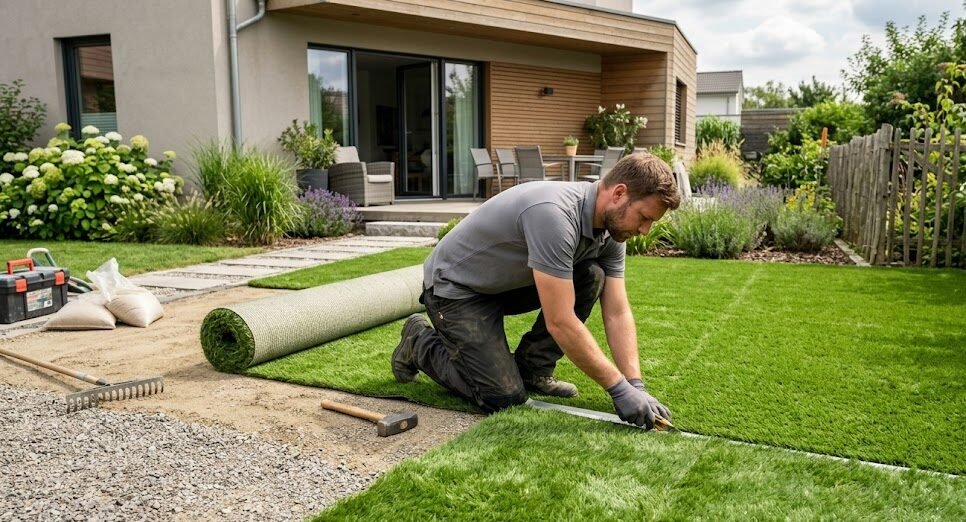
There are real cases where sod is the correct answer, and a contractor who never says so is selling rather than advising.
- Large lots: Turf is priced per square foot with no volume relief that closes a ten-to-one gap. On half an acre of lawn the capital cost becomes irrational for almost any household.
- Deep shade with low traffic: If an area gets little sun and little use, a shade-tolerant grass or a groundcover costs a fraction and looks natural.
- Well water: Remove the metered water savings and the largest recurring advantage disappears with it.
- Short ownership horizon: If you are selling within five years, you will not reach payback and appraisers do not reliably credit turf at full installed cost.
- Owners who genuinely enjoy the yard work: The labor savings only count as savings if the labor felt like a cost.
Where Turf Wins Regardless of the Math
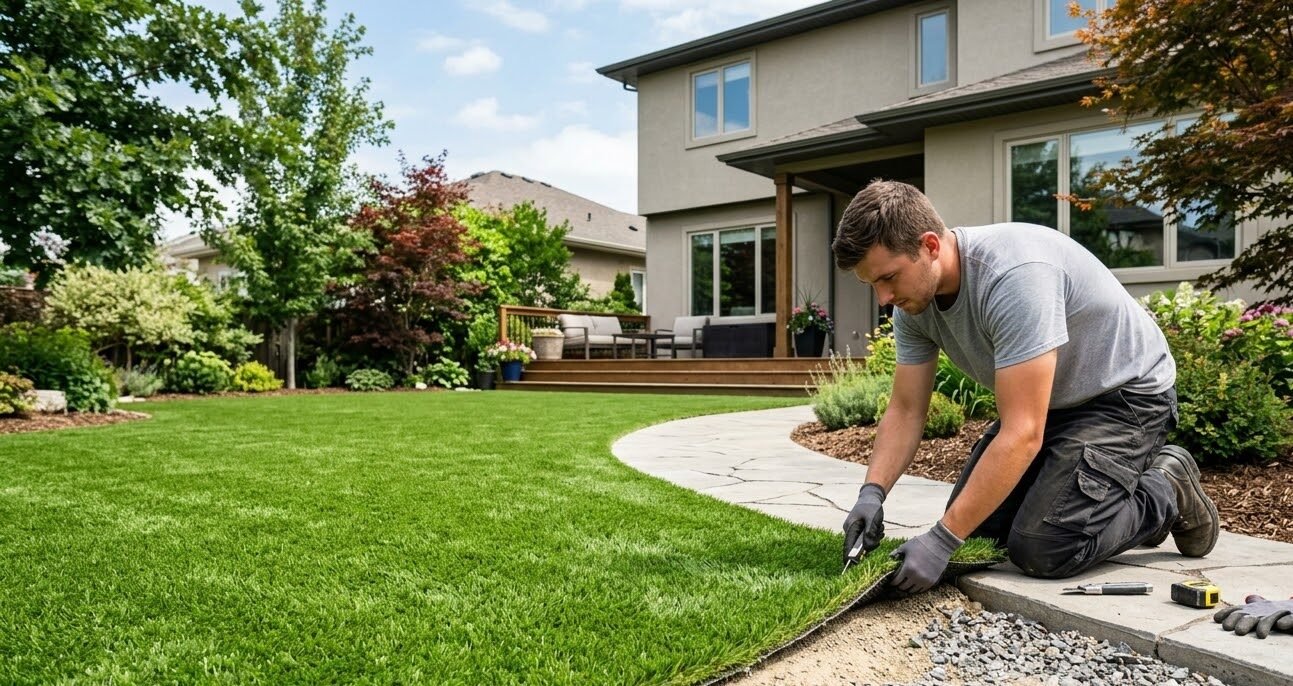
Equally, several situations justify turf even when the spreadsheet says otherwise, and these are usually the real reasons people are happy with the decision years later.
- Dogs: Grass and dogs are mutually exclusive over time. Urine burns, traffic lanes wear to dirt and rain turns dirt to mud that walks indoors. Turf with the right drainage and infill ends that cycle permanently.
- Areas grass has already refused: Under mature oaks, along north-facing walls and in narrow side yards, the alternative to turf is not grass. It is bare soil.
- Watering restrictions: Central Florida water management districts limit irrigation days, and a lawn watered on a restricted schedule during a dry spring often looks poor regardless of spending.
- Time: Thirty to fifty hours a year is a real number. Some homeowners price that at zero and some price it high, and both are correct for their own situation.
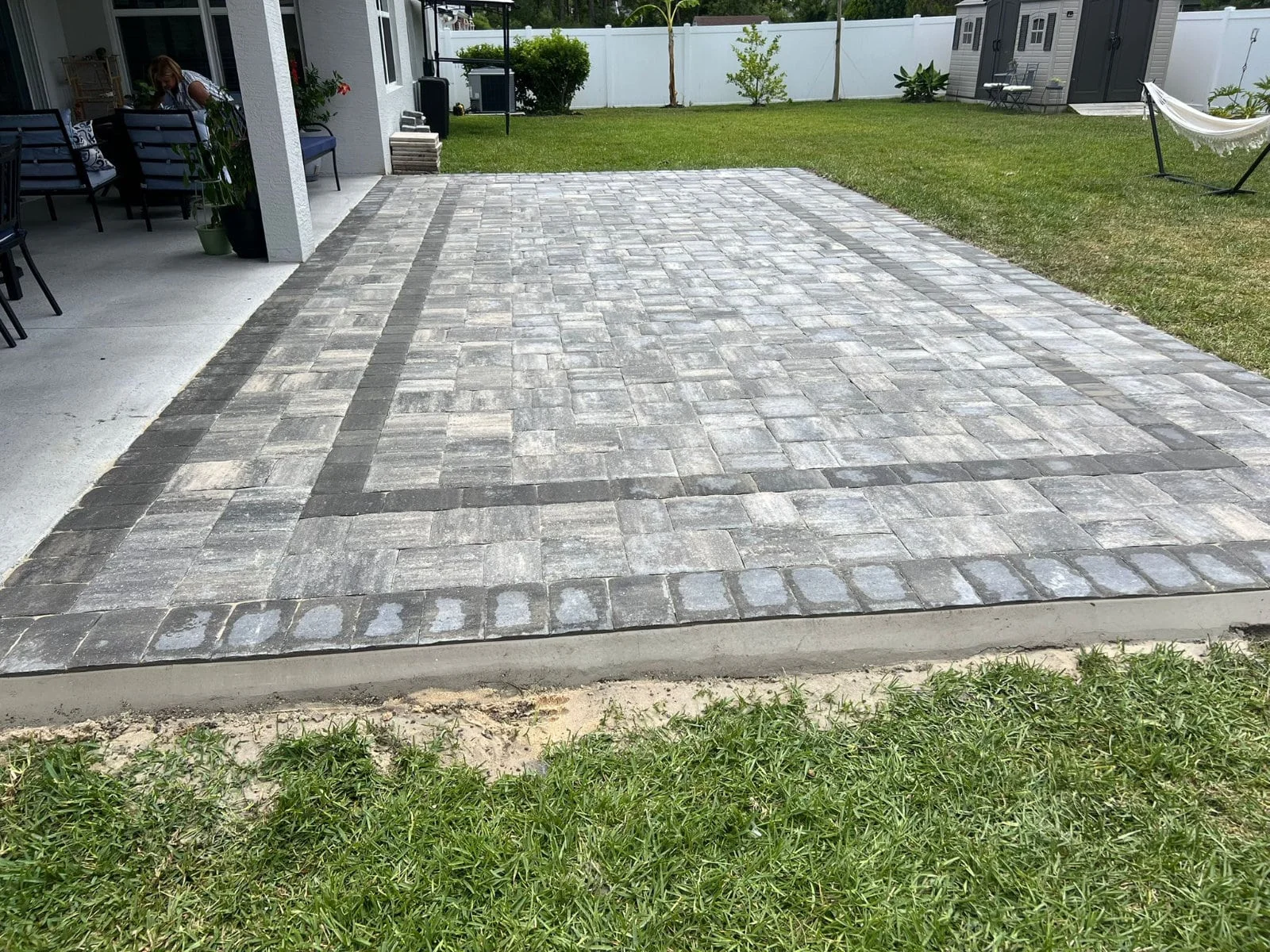
- Pool and patio surrounds: Turf does not track clippings or mud into a pool, which is why it pairs so often with a paver deck.
Rebates, HOA Rules and Documentation
Two administrative items are worth handling before the install rather than after. First, check for a turf conversion or grass removal rebate. Some Florida programs offset $1 to $3 per square foot, which on a full conversion is thousands of dollars, and nearly all of them require pre-approval before work begins. Applying afterward usually disqualifies the project.
Second, check your community rules. Florida law has moved in favor of homeowners on artificial turf in recent years, but boards still commonly regulate product appearance, pile height, edging and where turf may be installed relative to the street. Get written approval before material is ordered, not after it arrives on the driveway.
How to Compare Two Turf Quotes Fairly
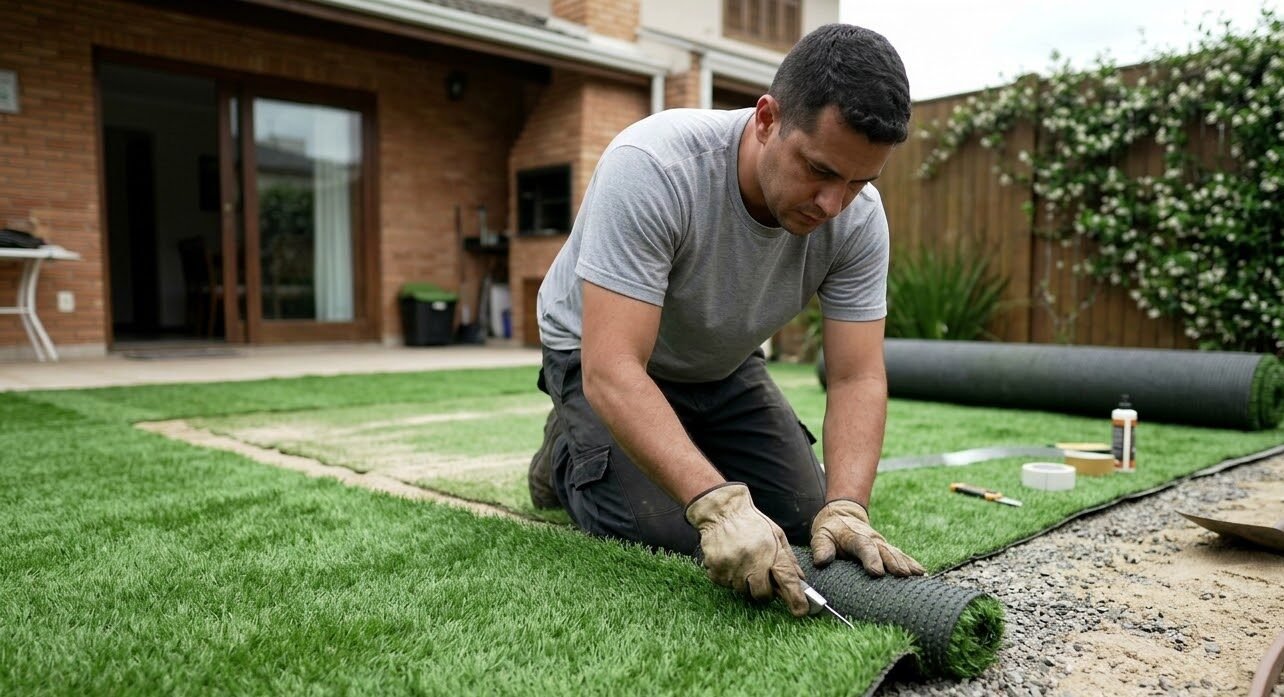
If you decide to price the work, these are the line items that make two quotes comparable. Without them you are comparing a number to a different number.
- Base depth and material: Ask for the compacted depth in inches and the aggregate specified. This is the difference between a lawn that stays flat and one that ripples in three years.
- Face weight and fiber: Face weight in ounces and whether the fiber is UV stabilized. A light product on a deep base still fades early.
- Infill type and quantity: Silica sand is the baseline. Cooling and antimicrobial infills cost more and matter for dogs and for barefoot use in summer.
- Drainage design: Perforated backing alone is not a drainage plan. Ask where water goes on a two-inch afternoon.
- Edging and seams: How edges are secured and how seams are joined. Failed seams are the most visible defect on an aging turf lawn.
- Warranty terms: Separate the manufacturer product warranty from the installer workmanship warranty, and get the workmanship term in years.
KS Solutions installs both hardscape and turf across Central Florida, including Orlando, Lakeland and Winter Haven, and we will tell you when the numbers do not favor turf on your lot. If they do, artificial turf installation starts with a site visit to check drainage and grade, and ongoing care is covered under our maintenance plans.