Why Dogs Break Florida Lawns Faster Than Anything Else
A Florida backyard with dogs in it is fighting on three fronts at once. Heat and humidity stress the grass, rain and irrigation keep the soil wet, and the dogs add concentrated nitrogen, digging and relentless traffic on the same three paths every single day. Natural sod loses that fight. The fence line goes bare, the shade under the oak turns to mud, and the urine spots come back faster than the grass does.
That is why pet owners are one of the largest groups switching to artificial turf in Central Florida. But the switch only works if the installation is built for dogs specifically, and the difference between a pet turf install and a generic one is almost entirely invisible from the surface. It lives in the backing, the base and the infill. Get those three right and the yard stays clean and usable for well over a decade. Get them wrong and you have installed an expensive, non-draining odor trap.
This guide covers what actually makes turf pet friendly, the honest truth about heat, how drainage has to be built in Florida sand, which infill controls ammonia, and what maintenance looks like week to week.
The Heat Question, Answered Honestly
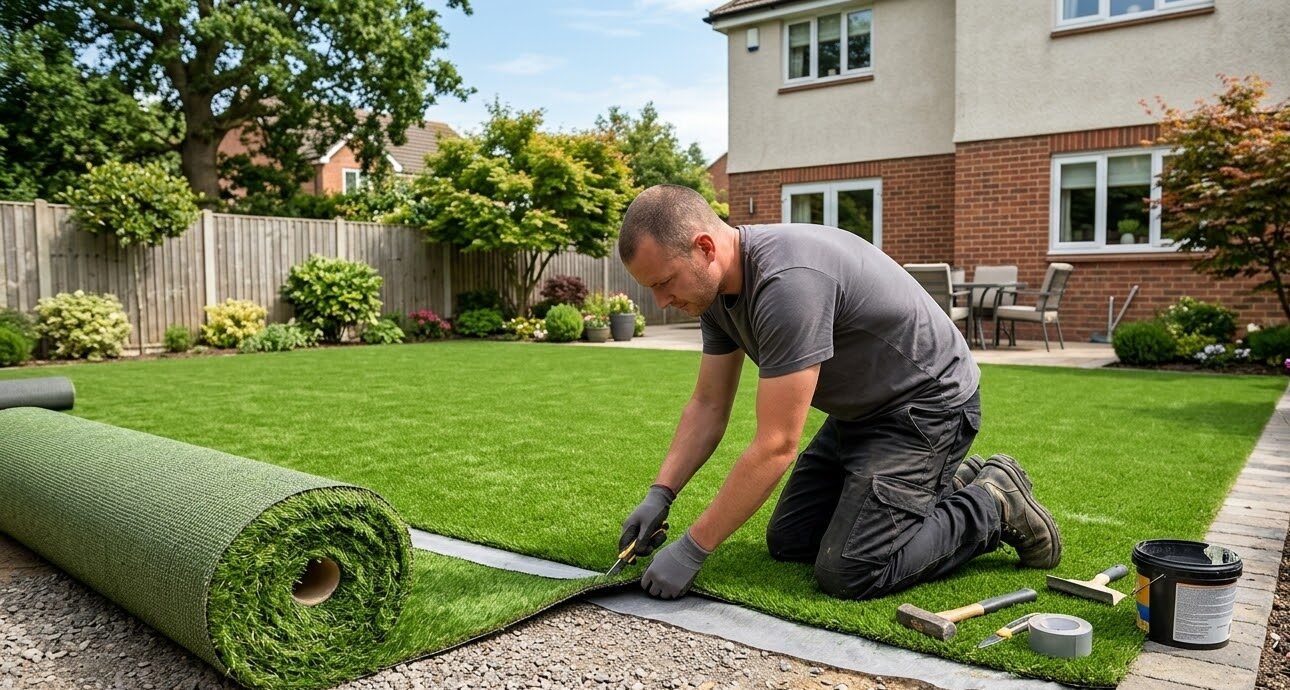
Start with the objection every reputable installer should raise before the customer does, because the marketing rarely does. Artificial turf gets hotter than grass. That is physics, not a product defect, and no infill eliminates it.
Natural grass cools itself by evaporating moisture through its blades. On a hot day it typically measures between 75 and 95 degrees Fahrenheit and rarely exceeds 100. Synthetic fibers have no moisture to evaporate, so they absorb and hold solar energy. On a typical Florida summer day with air temperatures in the nineties, turf surface temperatures commonly run between 120 and 150 degrees, and in direct midday sun with no shade the surface can exceed 160 degrees.
That is a real gap, roughly 35 to 55 degrees warmer than nearby natural grass. For a dog, whose paw pads are in direct contact with the surface, it matters. So does the honest answer about what to do with it.
- Water it down: spraying the surface during peak heat drops the temperature by roughly 30 to 50 degrees almost instantly. It is the fastest and cheapest fix available, and it takes about a minute with a hose.
- Design shade into the layout: turf under a tree canopy, a pergola or the north side of the house runs dramatically cooler than turf in full open sun. Shade is the single most effective permanent intervention.
- Choose the infill deliberately: infill choice moves the number. Crumb rubber absorbs more heat and releases it slowly. Sand-based options absorb less and shed it faster, and zeolite runs cooler still by evaporating retained moisture.
- Use the yard on a schedule: most dogs already avoid the yard at 2pm in July. Morning and evening use is when the surface is comfortable, and that is when most pets want to be out anyway.
The trade most pet owners are actually making is a hot midday window in exchange for a yard that is never muddy, never patchy, never dug up and requires no chemicals. For a lot of households that is a clear win, but it should be a decision made with the real numbers rather than a surprise discovered in July.
Drainage Is the Whole Game in Florida
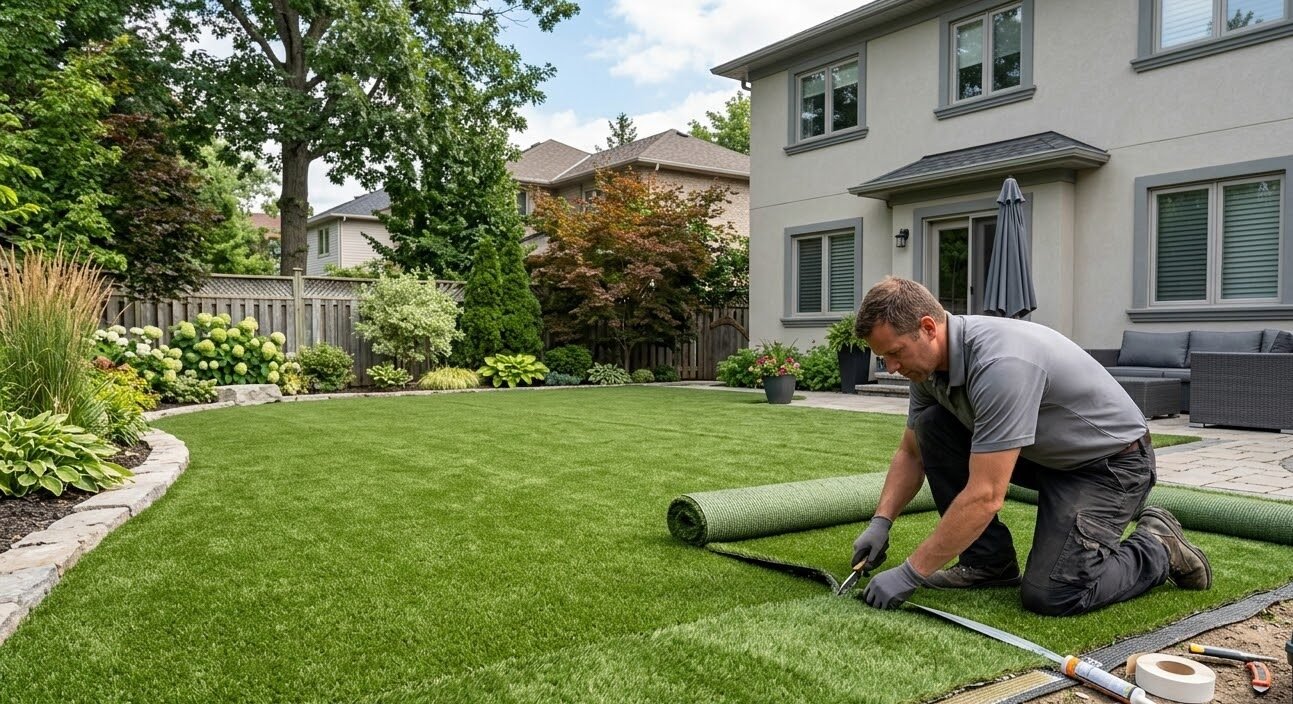
If one thing separates a pet turf install that lasts from one that smells by year two, it is drainage. Urine has to leave the system. It cannot be allowed to sit anywhere in the assembly, because the moment it does, bacteria go to work and ammonia builds up.
Drainage in artificial turf happens in three layers, and all three have to work together. The first is the backing. Pet-rated turf uses a fully permeable backing, often a hole-punched or flow-through construction, that lets liquid pass straight through across the entire surface rather than only at scattered perforations. A standard landscape backing with limited drainage holes will pass rainwater acceptably and still concentrate urine, because a dog uses the same square foot repeatedly.
The second layer is the base, and this is where Florida sand cuts both ways. Sandy soil drains beautifully on its own, which is the good news. The bad news is that sand shifts and settles, and a base that has not been properly graded and compacted develops low spots. Low spots hold liquid, and holding liquid is the one thing this system cannot do. A correctly built base is a compacted aggregate layer, graded to positive fall, that both drains fast and refuses to move. That is the same discipline that decides whether a paver patio stays flat, which we covered in our guide to what actually drives brick paver cost in Florida.
The third layer is the ground beneath, and it is the one nobody checks. Compacted clay pockets, buried construction debris and old slab remnants are common under Central Florida yards, and any of them will hold water no matter how good the turf and base above are. This is why an installer should be probing your soil before quoting rather than after.
Infill: Where Odor Control Actually Happens
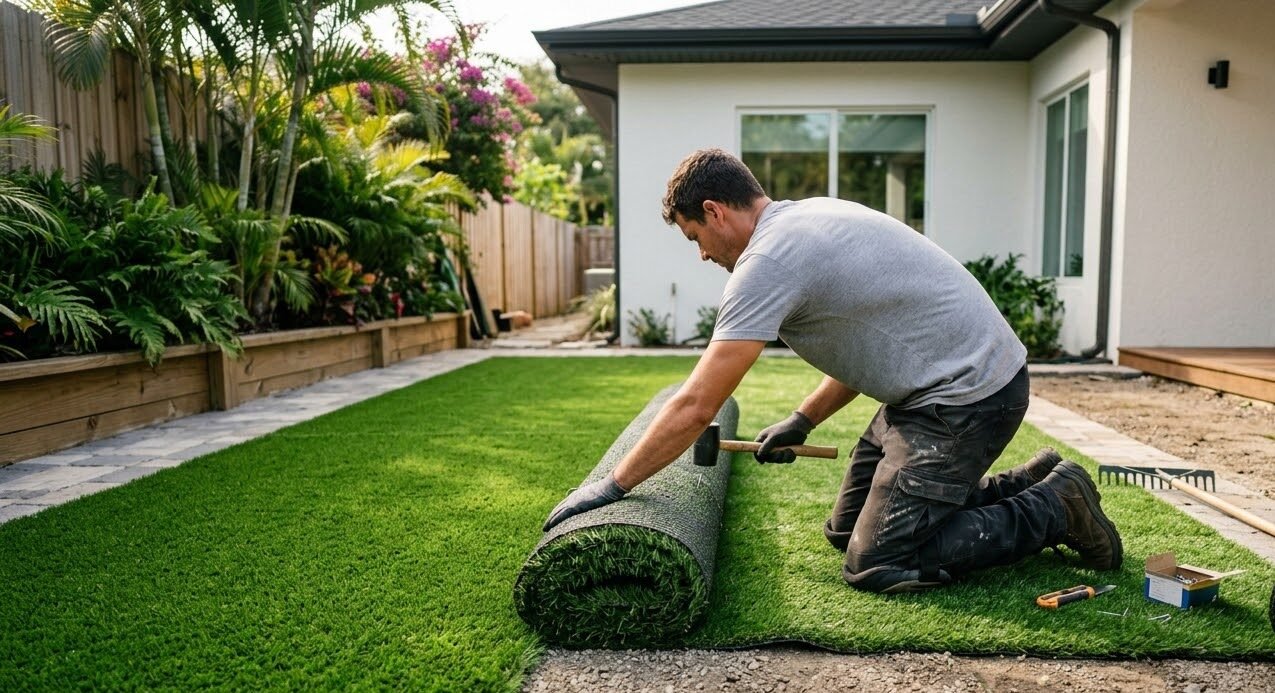
Infill is the granular material brushed down between the turf blades. It holds the fibers upright, adds weight and stability, and in a pet installation it does one more job that outranks the others: it manages ammonia.
Dog urine is largely urea. Bacteria break urea down into ammonia, and ammonia is the smell. Control the ammonia and you control the odor, which is why infill selection is the most consequential product decision in a pet install.
- Zeolite: a natural volcanic mineral with a porous crystalline structure that captures and holds ammonia molecules rather than letting them off-gas. It is the standard choice for pet areas. Zeolite also inhibits bacterial growth and odor, and because it retains and slowly evaporates moisture, it runs meaningfully cooler than standard infill, on the order of 20 to 30 percent.
- Antimicrobial coated sand: rounded sand with a durable acrylic coating carrying an antimicrobial additive. It is heavier and more stable than zeolite, resists compaction, and suppresses the bacteria that generate odor in the first place.
- The combination: the approach most experienced pet installers prefer is blending the two, using coated sand for stability and compaction resistance and zeolite for ammonia capture and cooling. You get odor control and a surface that stays firm under heavy traffic.
- Crumb rubber: common in sports fields, generally not the first choice for a residential pet yard in Florida. It absorbs more heat and holds it longer, and it does nothing for ammonia.
Zeolite is durable, often lasting as long as the turf itself, typically 10 to 15 years or more, because the mineral does not break down. It does need periodic reactivation, which in practice means rinsing the yard so the captured ammonia flushes through. That is the single most important maintenance habit in a pet install and it is genuinely easy.
(321) 353-7445Get Immediate Service
What Pet-Rated Turf Looks Like Spec by Spec
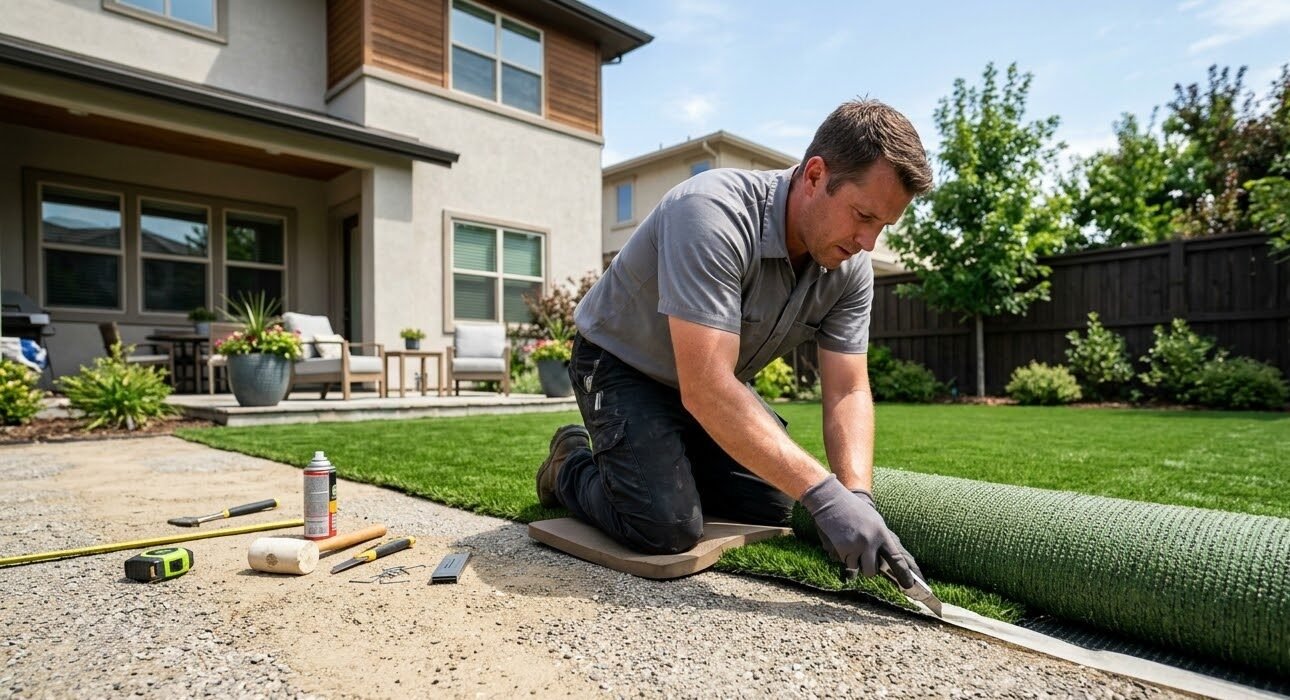
When you compare quotes, the products can look identical in a photo and behave completely differently in a yard with two large dogs. These are the specifications worth asking about by name.
- Backing type: fully permeable or flow-through, rated for pet use. Ask for the drainage rate in inches per hour.
- Pile height: shorter piles, roughly 1 to 1.5 inches, are better for dogs. Long luxurious piles trap solids, mat down under traffic and are harder to rinse clean.
- Face weight and density: denser turf stands up to repeated traffic on the same paths without flattening. Dogs are creatures of habit, and their routes wear first.
- UV stabilization: Florida sun is what ultimately ends a turf lawn. UV-stabilized fibers are what keep it from fading and going brittle early.
- Infill specification: the actual infill by name and quantity per square foot, not just the word infill on a line item.
- Deodorizer or drainage layer: on heavy-use dog runs, a permeable pad or dedicated drainage layer under the turf adds cushion and speeds liquid away from the surface.
Ask for the warranty in writing too, and read what it covers. Most turf warranties address UV fading and fiber loss. Very few address odor, because odor is a function of installation and maintenance rather than the product itself. That asymmetry tells you exactly where the risk sits, and it is with the installer.
Maintenance: Realistic, Not Zero
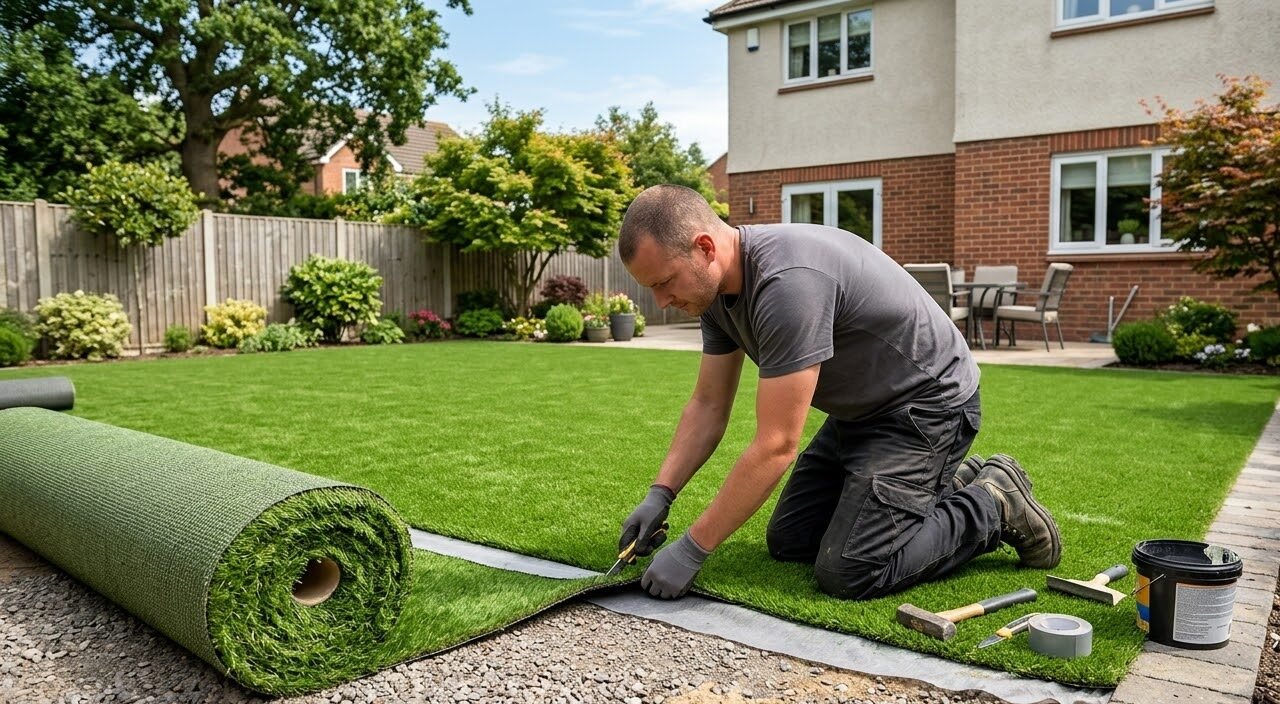
Artificial turf is dramatically lower maintenance than sod. It is not no maintenance, and any company promising otherwise is setting you up to be disappointed.
Solid waste gets picked up the same as on grass, ideally promptly, because anything left to break down works into the infill. Liquid needs rinsing, and in a yard with dogs a weekly hose down of the high-traffic zones is the baseline. During the summer rainy season the rain does much of that work for you, which is one of the few ways Florida weather helps here. In the dry months you are the rain.
Every few weeks, brush the high-traffic paths against the grain with a stiff broom or power brush to stand the fibers back up and redistribute infill. Watch the fence line and the shaded corners, since those are where dogs concentrate and where infill migrates. Every year or two, most pet yards benefit from an infill top-up in the heaviest zones, and an enzyme-based cleaner formulated for synthetic turf handles any odor that has built up beyond what rinsing clears.
Compare that against a real sod lawn in Florida with dogs on it: mowing, edging, fertilizing, pest control, irrigation, reseeding the urine spots and re-sodding the bare paths every year. The maintenance is not eliminated, it is traded for something far smaller and far more predictable.
How Pet Turf Fits Into the Rest of the Yard
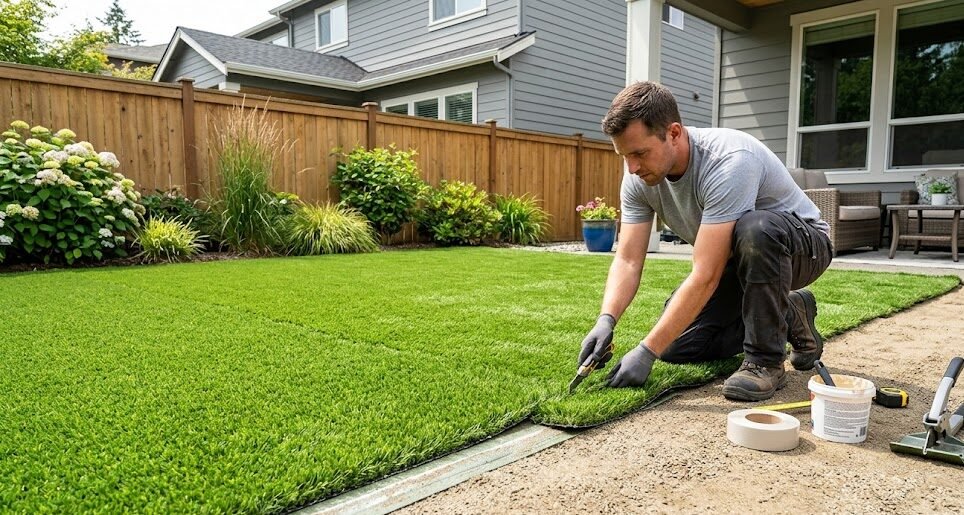
Very few pet yards are only turf. The layouts that work best in Central Florida combine surfaces, using each one where it is strongest, and the transitions are where the craftsmanship shows.
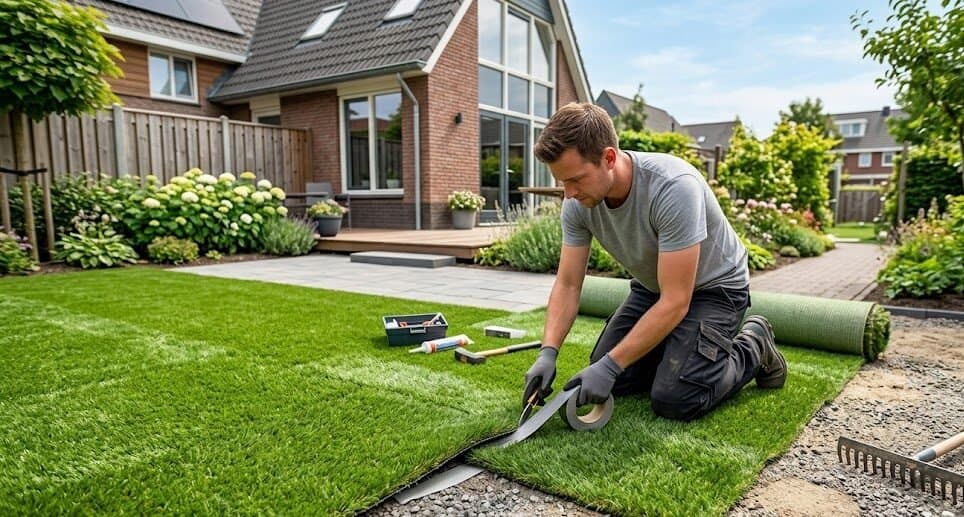
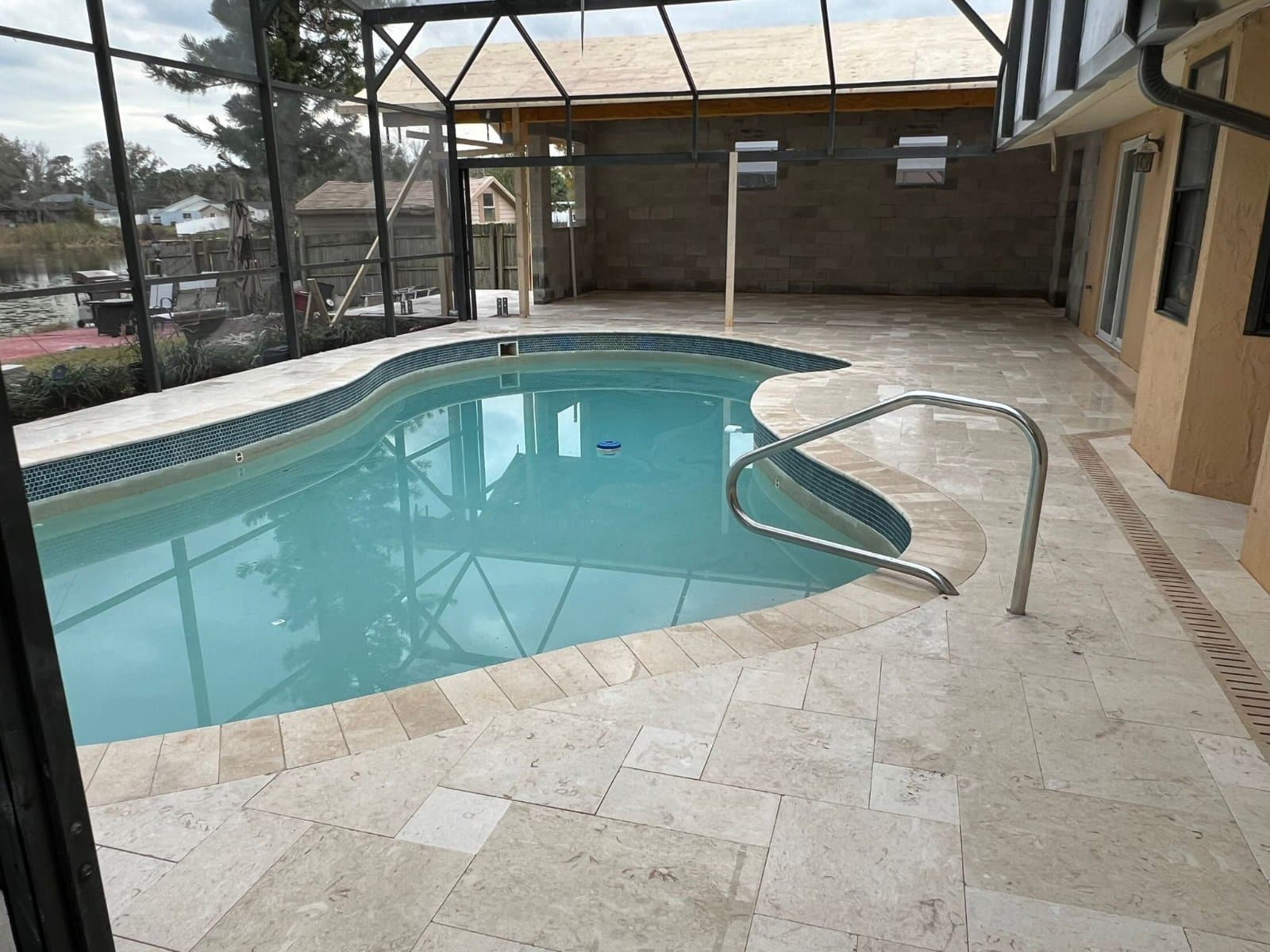
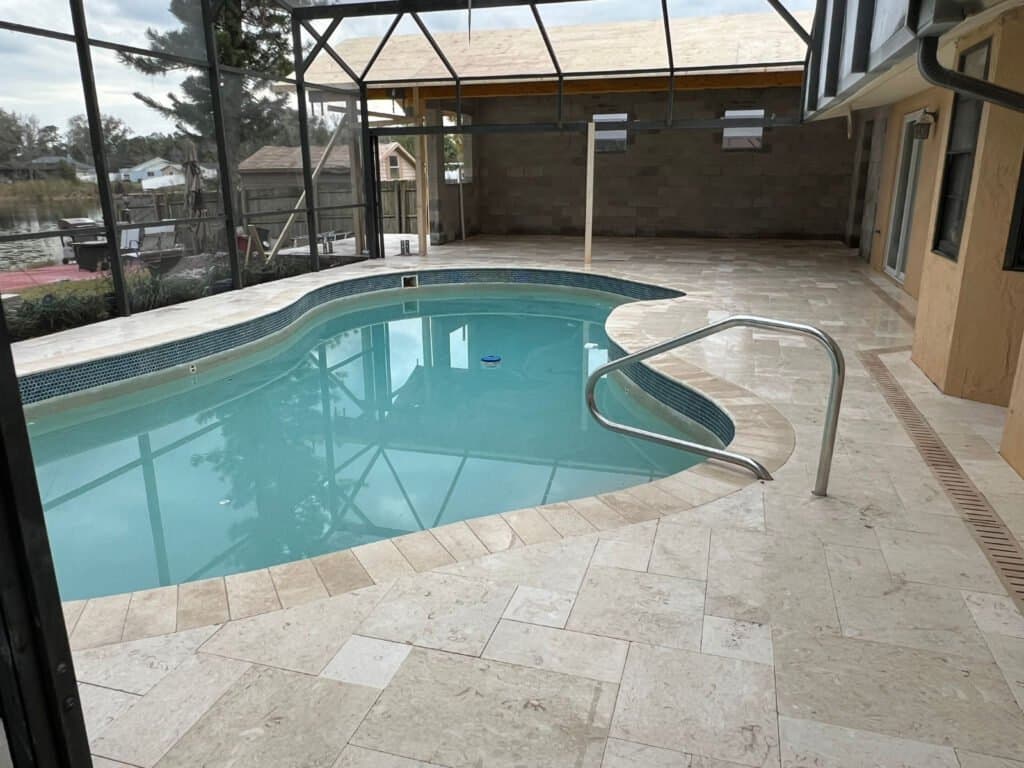
A common and effective arrangement is turf in the open play area, pavers on the patio and walkways, and a fence line that actually contains the dog. Pavers under a covered lanai and along traffic routes keep muddy paw traffic off the house and give you a cooler surface for furniture. Turf takes the run-and-roll zone. The border between them, usually a paver soldier course or bender board, keeps infill where it belongs and gives a clean line rather than a fraying edge.
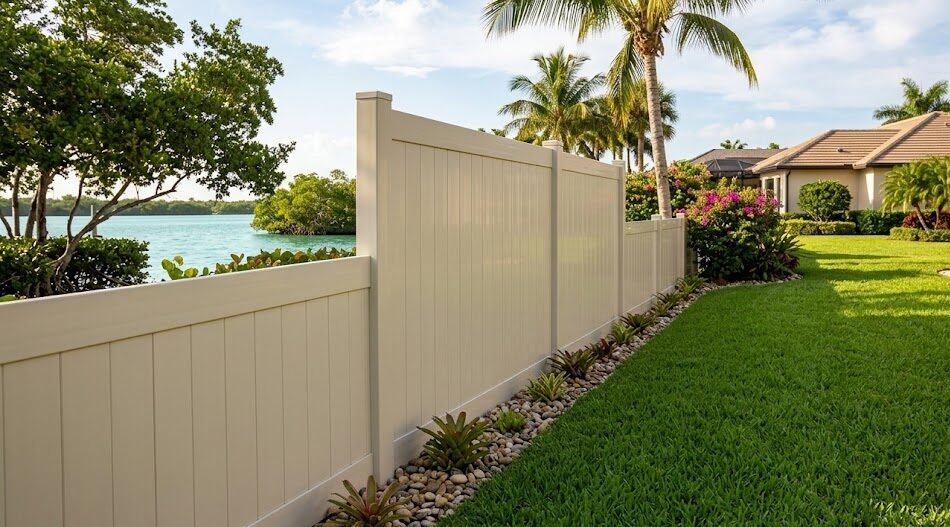
The fence deserves its own attention with dogs, because turf solves the surface problem and does nothing about containment. Diggers, jumpers and gap-squeezers each defeat a different fence design, and the fix is chosen before installation rather than after an escape. Our fence installation work covers material, height and gap decisions, and the artificial turf installation page walks the base and infill build in more detail.
One practical note on layout: put the turf where the dog already goes. Homeowners often design the yard they wish they had rather than the yard the dog uses, then discover the dog kept its old path anyway. Watch the routes for a week before finalizing the plan.
What This Costs and When It Pays Back
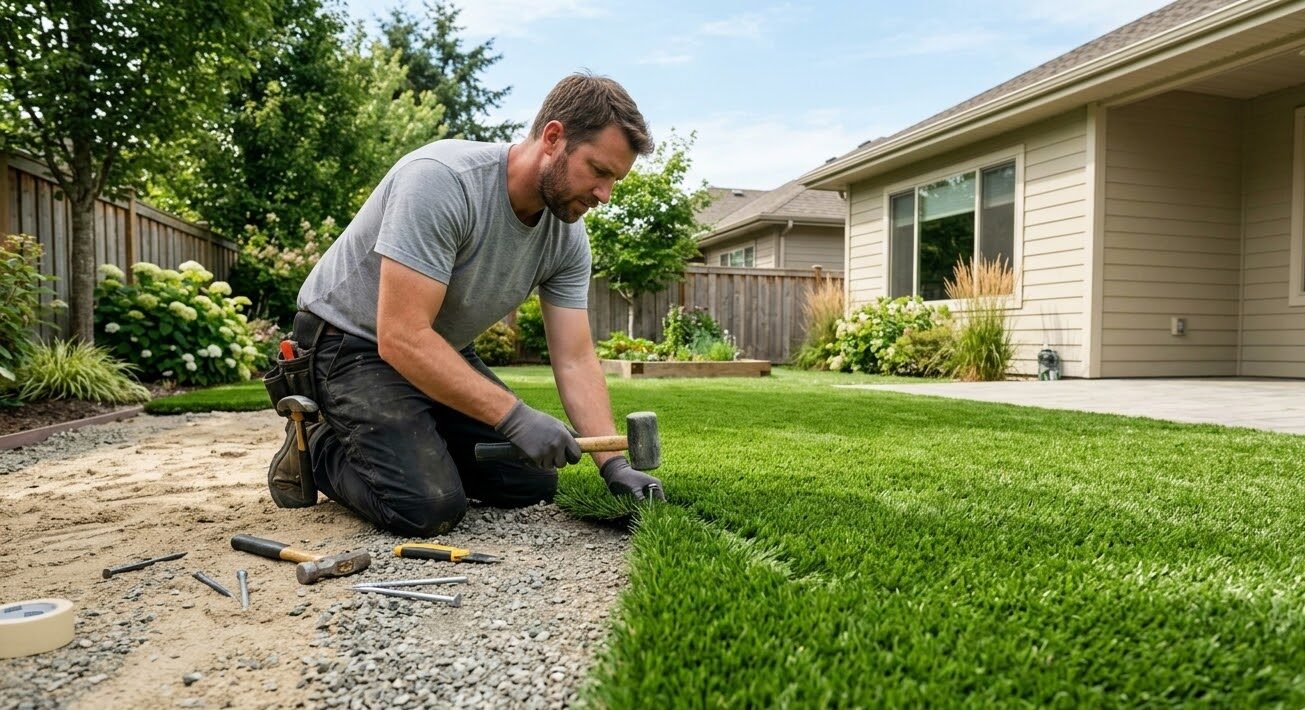
Pet-rated installations sit at the higher end of turf pricing, and the reasons are concrete rather than marketing. The backing costs more, the base work is more demanding because drainage cannot be approximate, and the infill package is more expensive than plain silica sand. On a dog yard, those are the three things you least want value-engineered out.
The payback comes from what stops happening. No more re-sodding the bare paths every year, no more filling holes, no more chemicals on a lawn your dog lies down in, and a water bill that drops because the play area no longer needs irrigation. Add the intangible that most pet owners actually rank first: no mud tracked through the house after every rain, in a state where it rains most afternoons for months.
One thing worth timing correctly is scheduling. Base work is far easier and cleaner outside the peak of the rainy season, and installers have more availability in the off-season. Same principle as any hardscape project, and we broke down the seasonal math in our guide to choosing paver materials for Florida heat.
Getting It Right the First Time
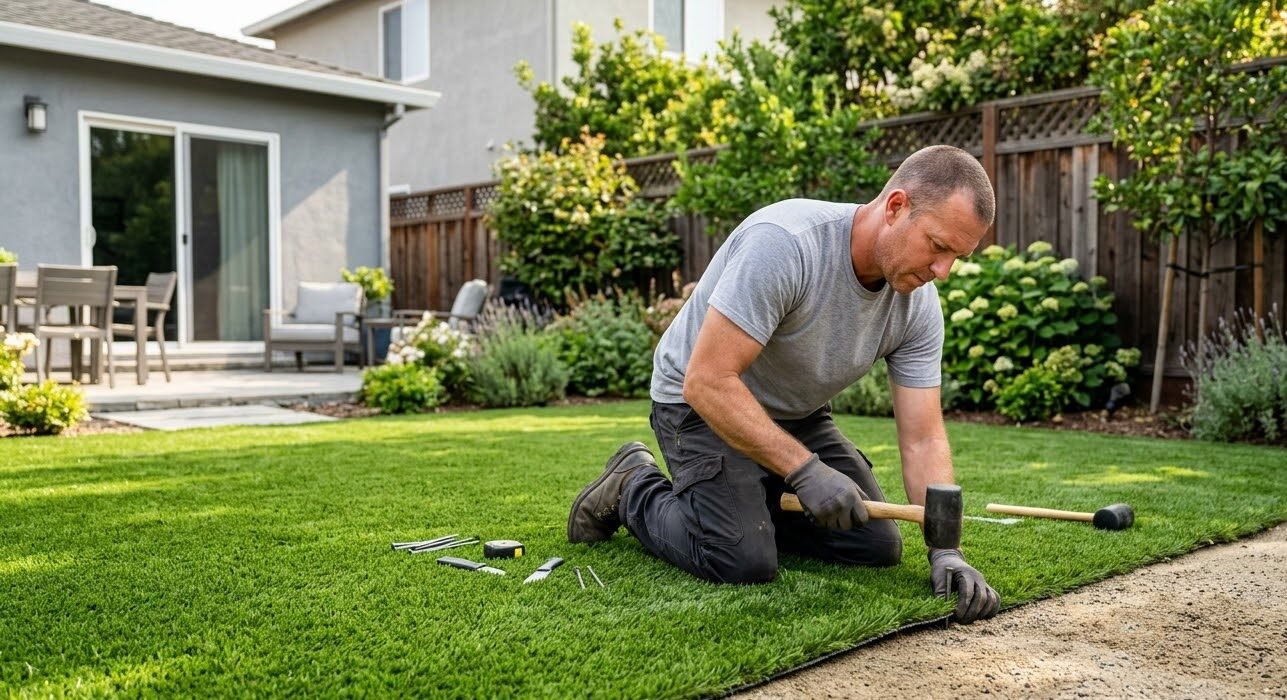
The uncomfortable reality of pet turf is that almost every failure is an installation failure rather than a product failure. Turf that smells was installed over a base that holds liquid, or with an infill that does not manage ammonia, or with a backing that does not drain across its full surface. None of those are visible when the job is finished and the yard looks perfect. They surface in month eight.
That is why the questions to ask a contractor are all about what happens under the grass. How is the base built and compacted. What is the drainage rate of the backing. Which infill, by name, and how many pounds per square foot. What happens at the edges and transitions. A company that answers those precisely is a company that has built pet yards that lasted.
KS Solutions installs pet-rated artificial turf, pavers and fencing across Central Florida, including Lakeland, Winter Haven and Orlando. If you have dogs and a yard that has stopped cooperating, the first step is a look at your soil and your dogs actual traffic patterns, because that is what determines the build.