Can Your Florida HOA Say No to Artificial Turf?
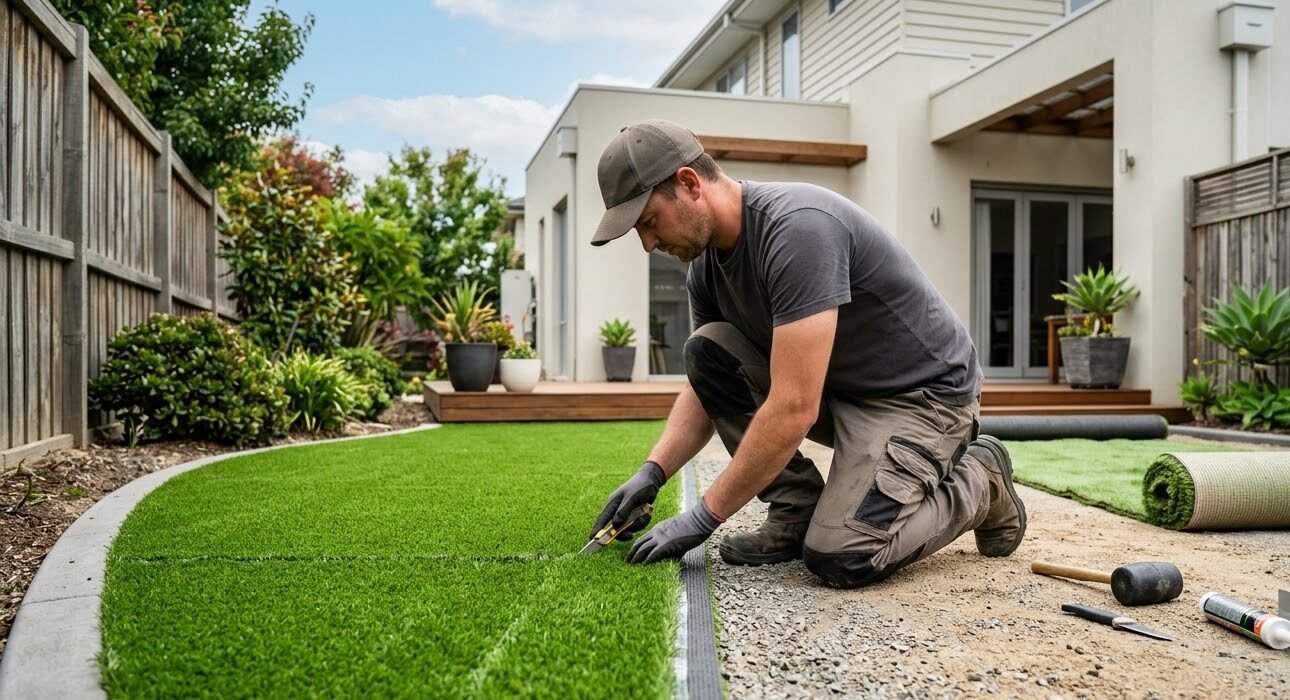
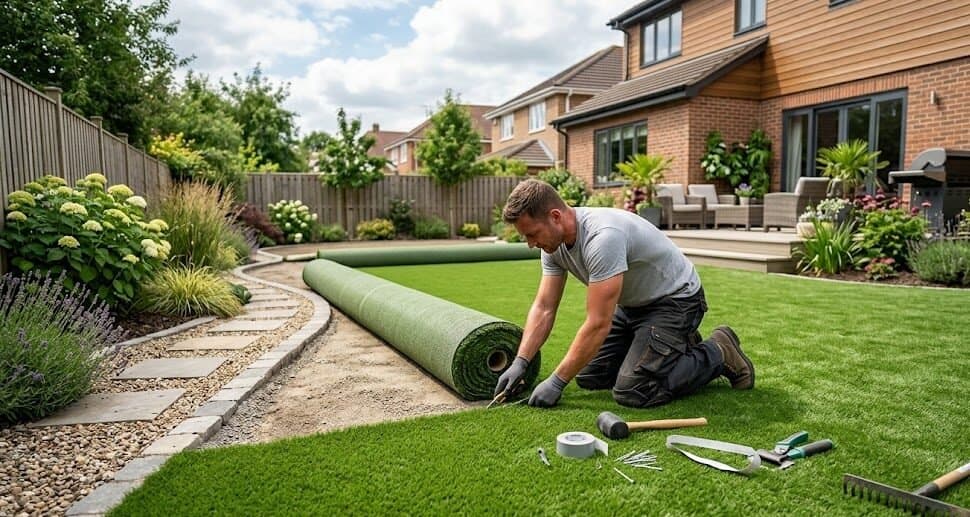
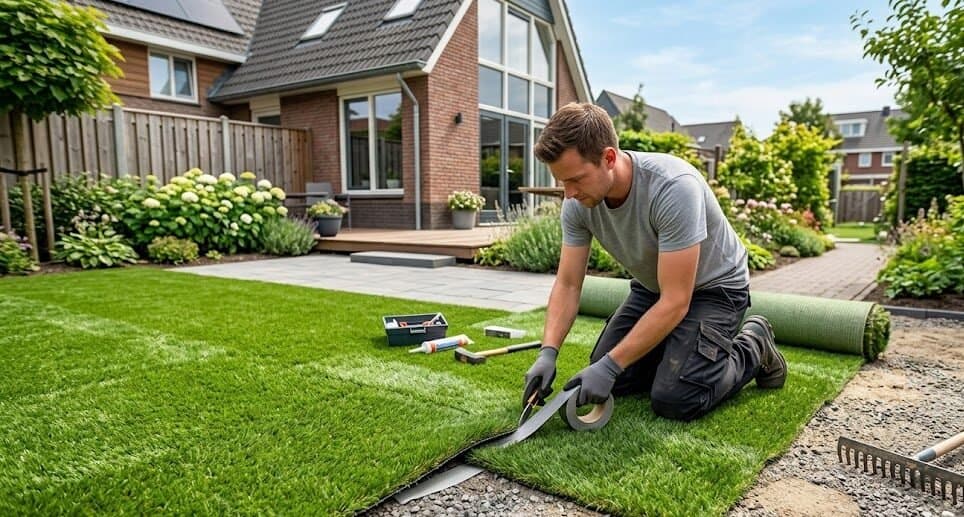
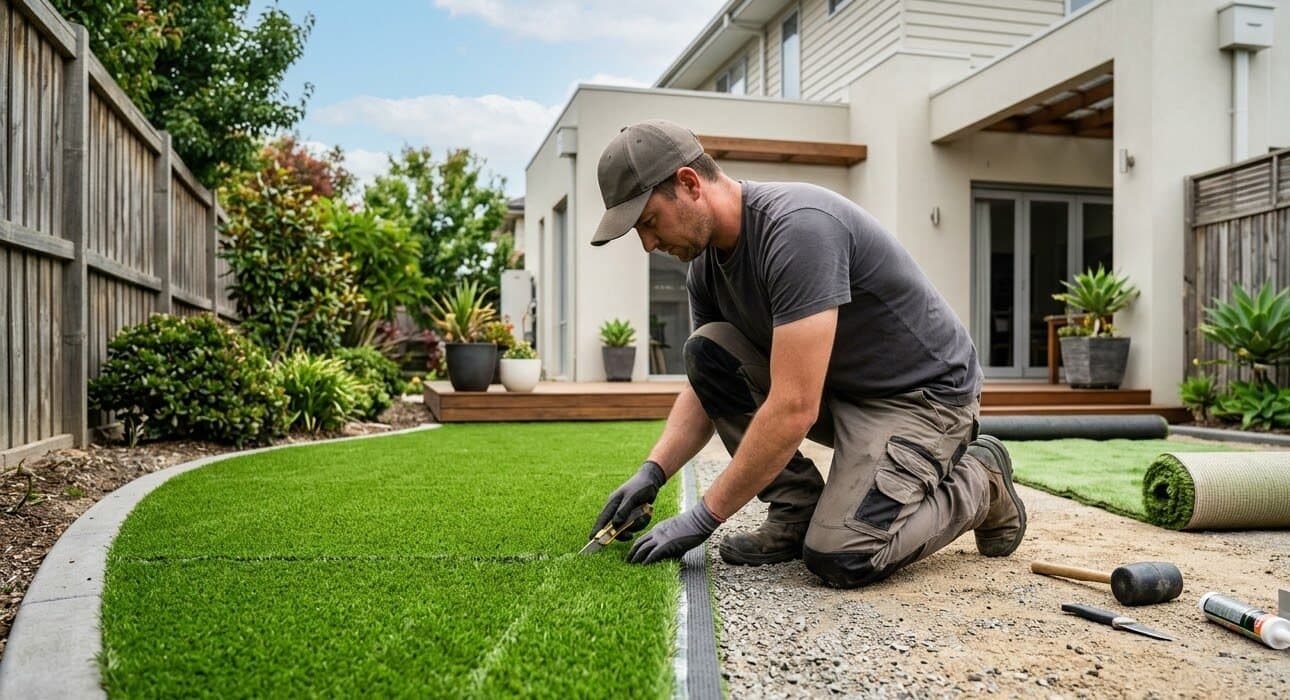
Artificial turf is one of the most requested upgrades in Central Florida neighborhoods, and it is also one of the most common reasons homeowners end up in front of an architectural review committee. A neighbor down the street has a perfect green lawn that never needs mowing, you submit the same idea, and the board sends back a denial or a list of conditions. Or you skip the application, install turf in the backyard, and get a violation letter a month later.
The rules are clearer than they used to be, but they are spread across several Florida laws that do different jobs. One statute limits what an association can regulate in areas that are not visible from the street. HB 1203, the 2024 homeowners association reform law, changed how boards must review applications, deny requests and levy fines. And a 2025 state law on synthetic turf limits what cities and counties can do, but deliberately does not touch HOA covenants. Mixing those up is how homeowners lose arguments they could have won and start fights they cannot win.
This guide explains what your HOA can and cannot do about artificial turf in Florida in 2026, where the line between backyard and front yard sits, what HB 1203 requires from your board when it reviews a turf application and how to put together a request that gets approved the first time. It is general information, not legal advice. Your declaration and your association's architectural guidelines are the documents that control your lot.
The Three Laws That Shape HOA Artificial Turf Rules in Florida
Before you read your association's rules, it helps to know which state laws sit above them and what each one actually covers:
- Section 720.3045, Florida Statutes: An association may not restrict the installation, display or storage of items on a parcel that are not visible from the parcel's frontage or an adjacent parcel, unless the item is prohibited by general law or local ordinance. Artificial turf is listed by name among the examples, along with boats, flags and recreational vehicles.
- HB 1203 (2024), Chapter 2024-221, Laws of Florida: Effective July 1, 2024, it requires associations and their architectural review committees to apply their standards uniformly, to state the specific rule or covenant relied on when they deny an application, and to follow stricter notice and hearing rules before fines.
- HB 683 (2025) and section 125.572, Florida Statutes: The Legislature directed the Florida Department of Environmental Protection to adopt minimum statewide standards for synthetic turf on single-family residential properties of one acre or less, and local governments may not prohibit turf that meets those standards. DEP adopted those standards as Rule 62-308.100, Florida Administrative Code.
The important part is what the third law does not do. DEP's own published FAQ on Rule 62-308.100 says the rule does not address HOA requirements, deed restrictions or other private property agreements. In other words, the 2025 law protects you from your city or county banning compliant turf. It does not override your HOA's covenants.
Backyard Turf: Where Florida Law Protects You
Section 720.3045 is the strongest protection homeowners have for artificial turf, and it is all about visibility. If the turf is installed in an area that cannot be seen from the front of your lot or from an adjacent parcel, your association generally cannot restrict it. A fully fenced backyard with a solid privacy fence is the classic example. So is a side yard enclosed behind a gate, or a small pet area behind the lanai.
Three practical points decide whether that protection applies to your project:
- Visibility is a fact question: A six-foot solid vinyl privacy fence usually blocks the view from neighbors. A four-foot aluminum picket fence usually does not. If the turf can be seen from the neighbor's yard or from the street, the protection may not apply.
- Lots next to ponds, common areas or a golf course are more exposed: HB 1203 used frontage, adjacent property, adjacent common area and a community golf course as the visibility test for several new protections. Lots that back onto a pond, a common green or a golf course are more exposed, and boards often treat those rear yards as visible.
- General law and local ordinance still apply: The protection does not cover turf that a local ordinance or state law prohibits. Since 2025, local rules have to be consistent with DEP's minimum standards, so this mostly matters for drainage, setbacks and tree protection, not outright bans.
If your backyard is truly enclosed, the cleanest move is still to let the association know what you are installing and why it is not visible. It costs nothing, creates a record and avoids a violation letter from a committee member who did not read the statute. If you need more privacy before installing, our guide to HOA fence rules in Florida covers how to get a privacy fence approved.
Front Yard Turf: Where Your HOA Still Decides
The front yard is different. Turf in the front yard is visible from the frontage by definition, so section 720.3045 does not apply. If your declaration or architectural guidelines give the board authority over landscaping, the board can review front-yard turf, attach conditions to it or deny it, as long as it follows the governing documents and the procedures HB 1203 added.
Some homeowners point to the Florida-friendly landscaping protection in Chapter 720, which says association documents may not prohibit Florida-friendly landscaping. That protection is built around plants, mulch and water-efficient design, and synthetic turf is not one of the University of Florida's Florida-Friendly Landscaping principles. Do not build your front-yard plan on that argument. The better path is to read your documents, find what the board is allowed to regulate and submit a turf application that meets every written standard.
Many Central Florida associations already allow front-yard turf with conditions. Typical written conditions include a minimum face weight or pile height, a natural multi-tone color with thatch, a ban on bright single-color products, edging or a border separating turf from beds, limits on how much of the front yard can be turf and a requirement that trees and planting beds stay. If your guidelines say nothing about turf at all, the board still has to rely on a written standard to deny it, which is where HB 1203 matters.
(321) 353-7445Get Immediate Service
What HB 1203 Requires When Your Board Reviews a Turf Application
HB 1203 did not create a right to artificial turf. What it did was change how boards and architectural review committees have to act, and those changes apply to every turf request:
- Uniform enforcement: The association or committee must apply and enforce its architectural and construction standards uniformly against all parcel owners. If the board approved turf for a neighbor with the same lot type and the same product, a denial of yours needs a real, written distinction.
- A specific reason for a denial: If the association or committee denies your application, it must give you written notice stating with specificity the rule or covenant it relied on. A letter that says only that turf is not consistent with community standards does not meet that test.
- No unwritten standards: Chapter 720 already prohibited associations from enforcing policies or restrictions inconsistent with the rights in the governing documents. Combined with the specific-reason requirement, it means the denial has to point to something that is actually written down.
- Interior and hidden equipment: HB 1203 also limited review of things not visible from the frontage, adjacent property, common area or golf course, such as the home's interior and certain air-conditioning equipment. It reinforces the same visibility logic that protects backyard turf.
Keep every letter. If a denial does not cite a specific rule, reply in writing and ask which provision of the declaration or guidelines it relies on. That request alone resolves a surprising number of turf disputes.
Fines and Hearings if Your HOA Says the Turf Violates the Rules
If turf goes in without approval, or the board believes it does not meet the approved conditions, HB 1203 controls how the association can fine you. Under section 720.305 as amended:
- 14 days' notice: The board must give at least 14 days' written notice of your right to a hearing before a fine or suspension is imposed, and the hearing must be held within 90 days of the notice.
- An independent committee: The hearing is before a committee of at least three members appointed by the board who are not officers, directors or employees of the association, or close relatives of them. You can attend by phone or other electronic means.
- Cure stops the fine: If the violation is cured before the hearing, or within the time set in the notice, a fine or suspension may not be imposed.
- Written findings and a due date: The committee must give written notice of its findings within 7 days after the hearing, and a fine's due date must be at least 30 days after notice is delivered.
- Fine limits: Fines may not exceed $100 per violation, or $1,000 in the aggregate for a continuing violation, unless the governing documents allow more, and fines under $1,000 cannot become a lien on the property.
For a turf dispute, the cure provision is the one to use. If the committee's issue is a missing border, the wrong color or turf that crept past an approved line, fix it before the hearing and the fine should not stand.
What Florida Boards Usually Ask For in a Turf Application
Associations that approve turf want to see that it will look like a healthy lawn, drain properly and not create a problem for neighbors. A complete application usually includes:
- Product specification sheet: Brand, face weight, pile height, blade shape, color tones, thatch, backing and warranty. A natural two or three-tone product with brown thatch is easier to approve than a single bright green.
- Site plan: A drawing or marked aerial photo showing exactly where turf goes, where beds and trees stay and where edging or a paver border sits.
- Base and drainage details: Excavation depth, compacted aggregate base, perforated backing and how water leaves the yard. This is also what DEP's standards focus on for permeability and stormwater.
- Infill: The infill type and amount. Associations that are concerned about heat or pets often prefer coated sand or cooling infill over crumb rubber. Our guide to artificial turf infill in Florida compares the options.
- Contractor information: Company name, license and insurance information, and the installation schedule.
- Photos of comparable approved installs: If neighbors have approved turf, include photos and addresses. It supports the uniform-enforcement point without turning the application into an argument.
A complete application gives the committee a reason to approve and very little room to deny without citing a written rule. That is exactly the position HB 1203 is designed to put homeowners in.
How to Get Artificial Turf Approved by Your HOA
The order matters. Homeowners who follow it rarely end up in a hearing:
- Step 1, read the documents: Pull the declaration, the architectural guidelines and any landscaping rules. Note what the board is allowed to review, any turf standards and how long the committee has to respond.
- Step 2, decide what is visible: Separate the backyard areas that are not visible from frontage or neighbors from the areas that are. The first group may not need approval. The second group does.
- Step 3, choose a product that meets the written rules: If the guidelines have turf standards, match them line by line. If they have none, choose a natural-looking product and design that a reasonable committee can approve.
- Step 4, submit a complete package: Spec sheet, site plan, drainage details, infill, contractor information and photos.
- Step 5, get approval in writing before work starts: Keep the approval letter and any conditions with your property records.
- Step 6, respond to a denial in writing: If the denial does not cite a specific rule, ask for it. If it does, ask what change would make the project compliant.
Turf Choices That Make HOA Approval Easier
Design choices often decide whether a board says yes. A few that consistently help in Central Florida communities:
- Keep beds and trees: A front yard that is turf plus planting beds, mulch and shade trees looks like landscaping. A yard that is wall-to-wall green looks like a carpet, and committees notice.
- Use a clean border: A paver or concrete edge between turf, beds and sidewalk makes the install look finished and keeps turf from creeping. Our brick paver installation crews build those borders as part of the job.
- Pick realistic color and height: A mid-length blade with mixed greens and thatch reads as natural from the street.
- Plan for pets and heat: Pet-friendly backing, good drainage and a lighter or cooling infill answer the most common neighbor complaints before they are raised.
Artificial Turf Installation for HOA Communities in Central Florida
KS Solutions installs artificial turf across Orange, Osceola, Polk, Seminole, Lake and Volusia counties, and many of our projects are in HOA communities. We provide the product specification sheets, site plans and drainage details associations ask for, so your application is complete the first time, and we install to the approved plan so there is nothing for a committee to question afterward. Learn more about our artificial turf installation service.
Homeowners can also see our local pages for artificial turf installation in Orlando, artificial turf installation in Kissimmee and artificial turf installation in Celebration. Request a free estimate and we will help you put together the turf plan your HOA needs to say yes.