The Law Shifted, But Fences Are Still Reviewable
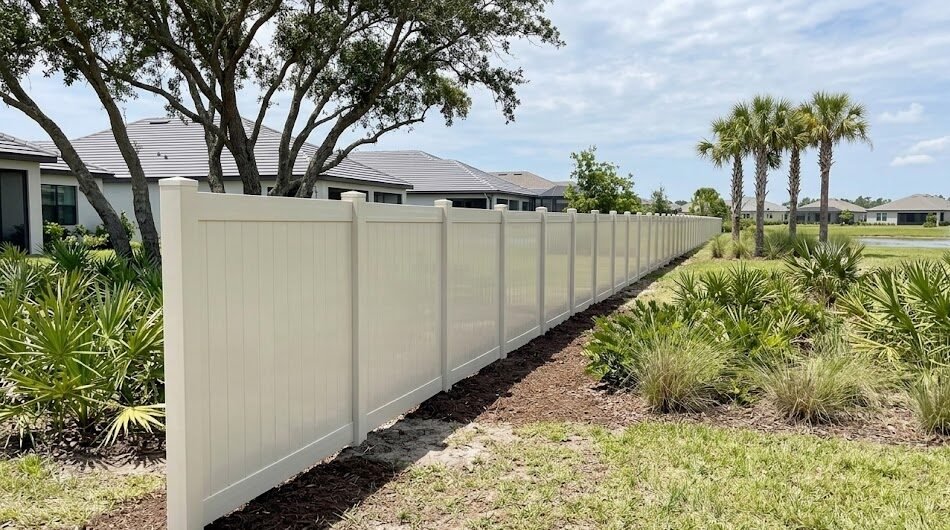
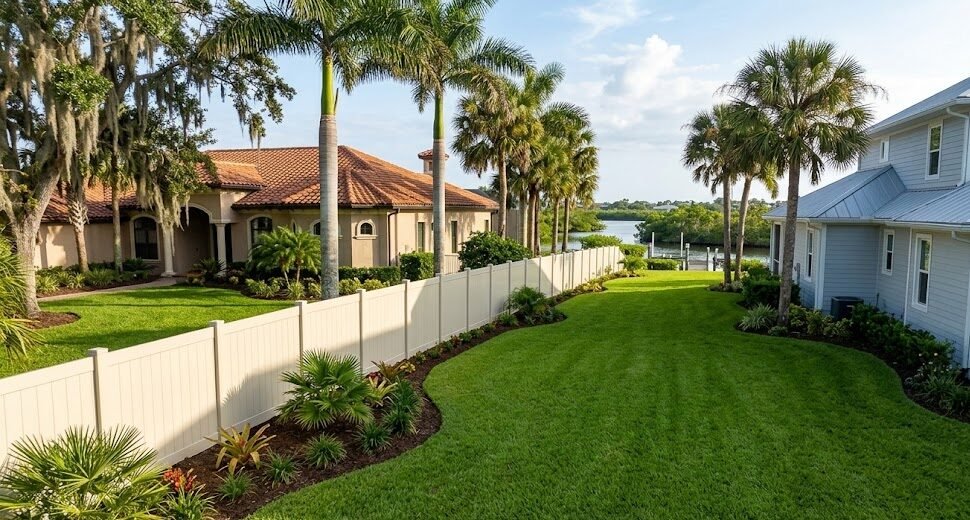
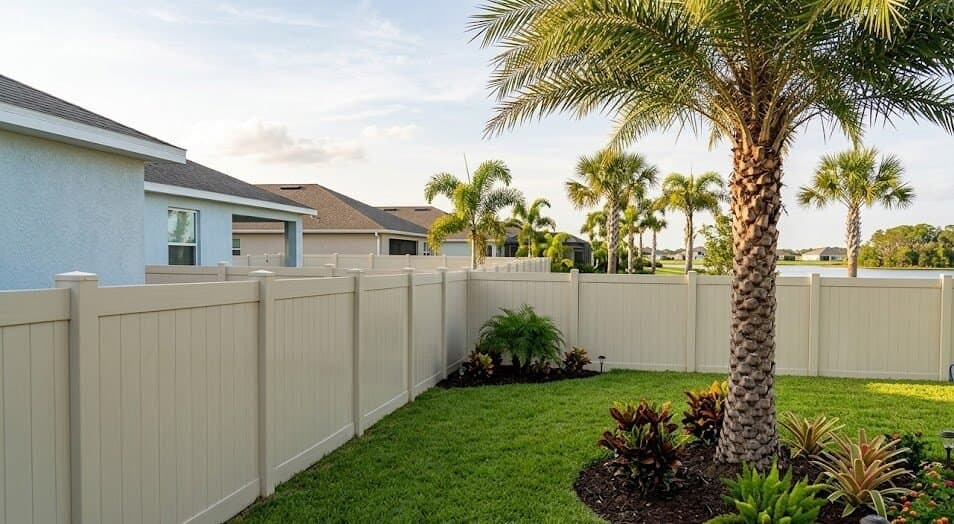
Start with the honest part, because it saves you from bad advice online. HB 1203 did not deregulate fences. A fence is almost always visible from the street or a neighbor's lot, and Florida associations keep the authority to review the appearance and placement of anything visible, including fence height, material, color, and setback. If a website tells you the new law means you can build any fence you want and ignore your HOA, that website is going to get you fined.
What the law changed is how the board can exercise that authority. For years the complaints piled up: boards sitting on applications for months, fining owners over rules that appeared nowhere in the governing documents, and stacking penalties with no ceiling and no hearing. HB 1203 and the surrounding Chapter 720 statutes closed those doors. The result in 2026 is an association that still reviews your fence, but has to do it by written standards, on a real timeline, with due process, and with a fining power that is capped. Those four limits are where your leverage lives.
Restriction 1: Your Board Cannot Ban What Is Not Visible Behind Your Fence
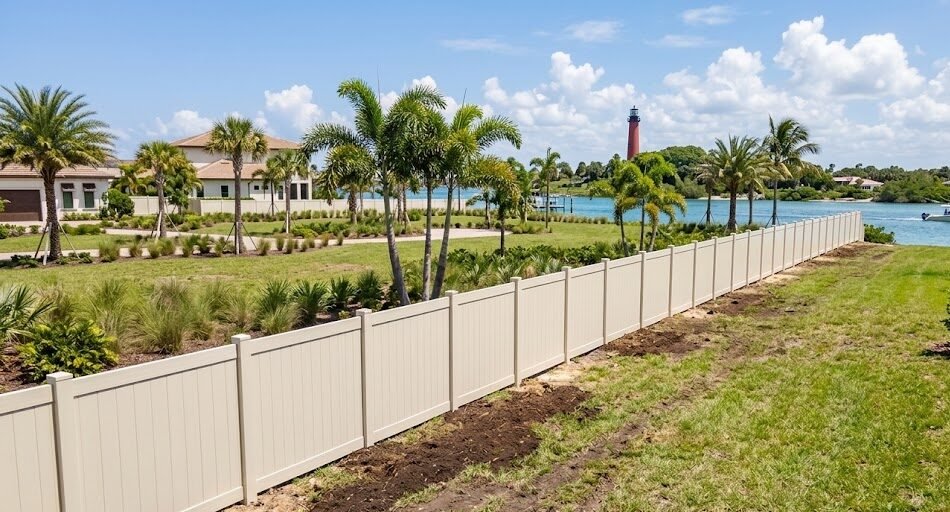
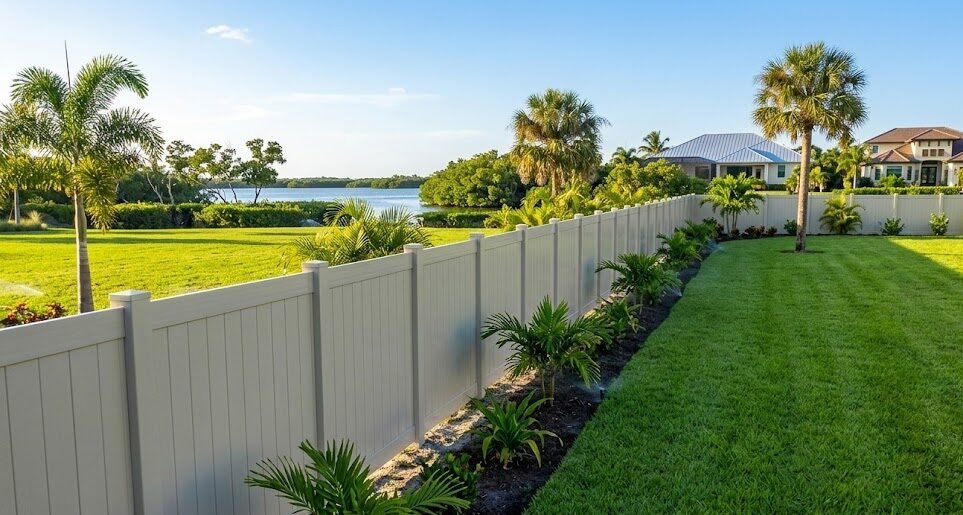
The most quoted change in HB 1203 protects what you put in your own backyard, out of public view. An association can no longer restrict the installation, display, or storage of items that are not visible from the parcel's frontage, an adjacent parcel, an adjacent common area, or a community golf course. The statute names specific examples, and two of them matter directly to a backyard project: artificial turf and vegetable gardens.
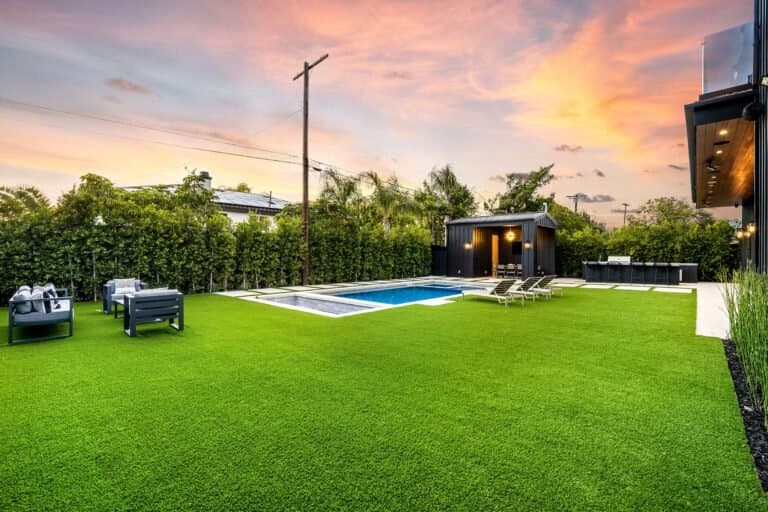
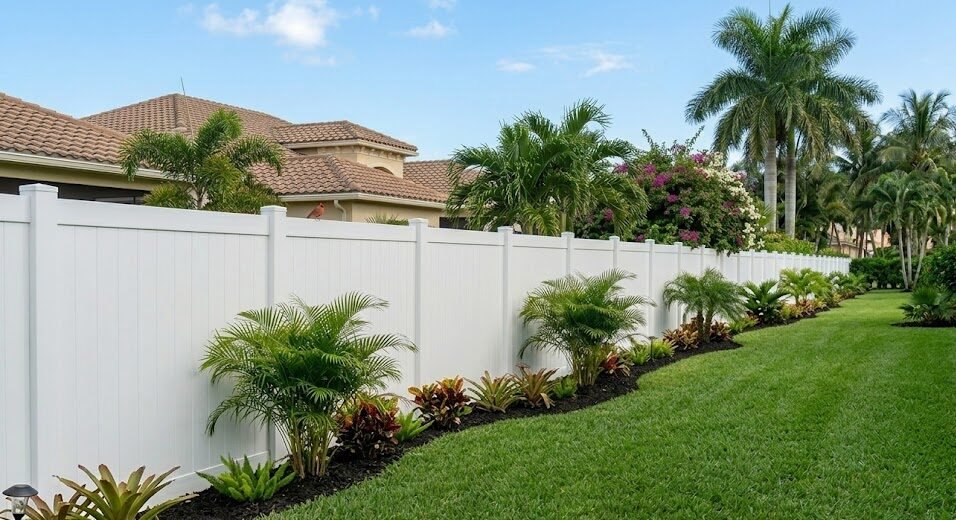
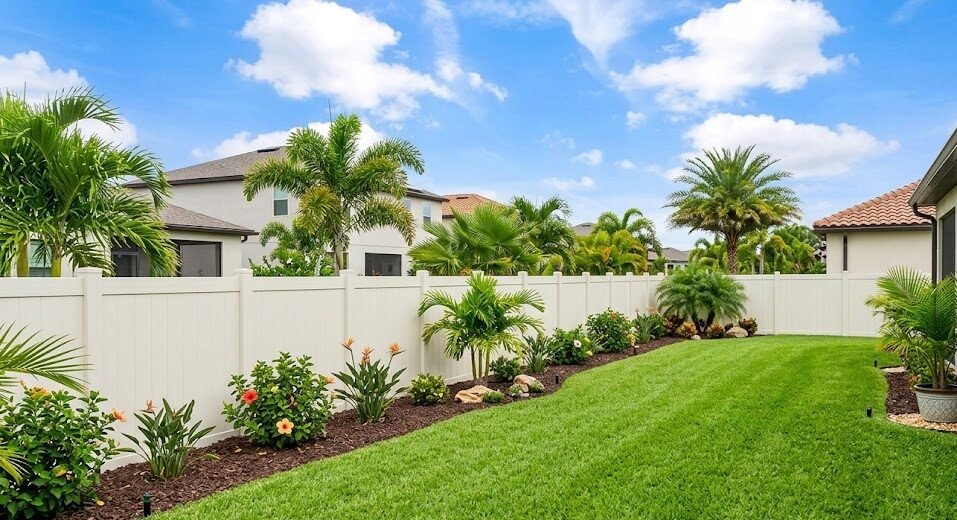
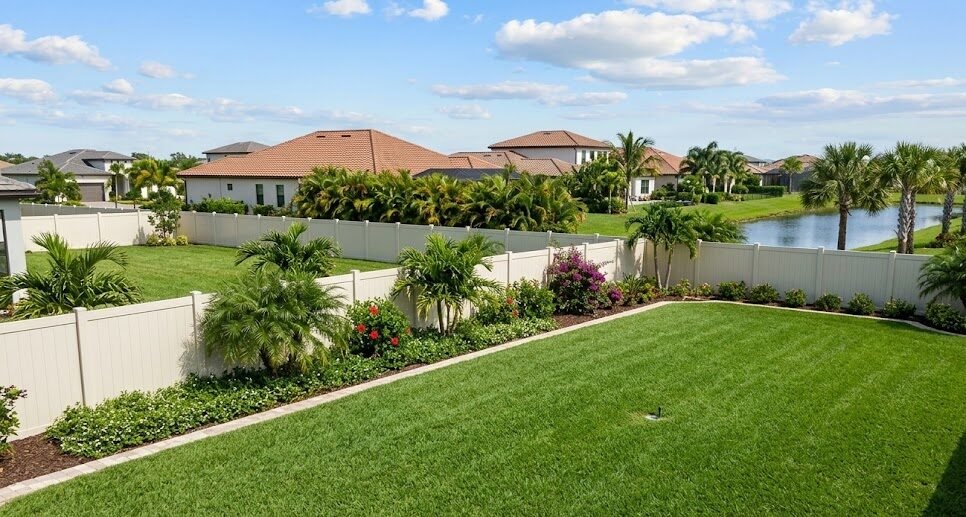
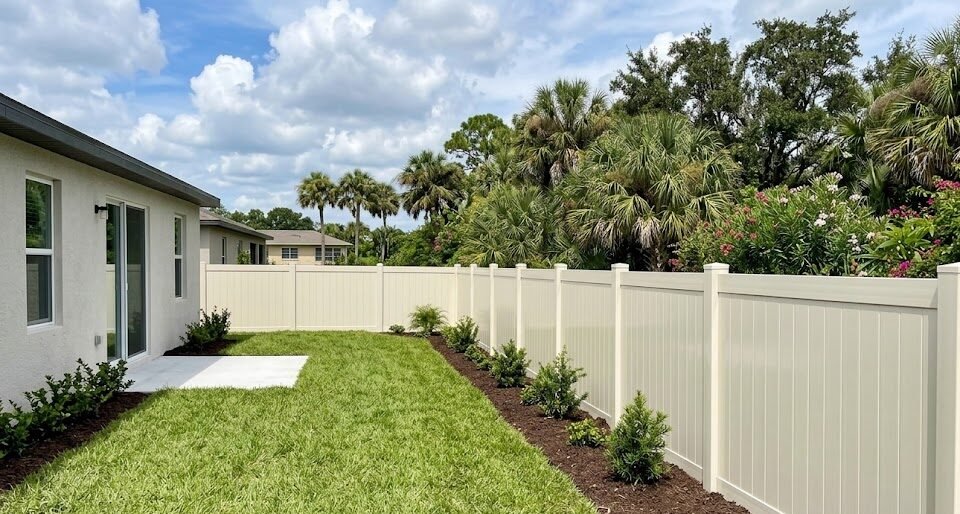
Read together with a fence, this is powerful. A privacy fence screens your yard from the street and the neighbors, and once something is screened from those sightlines, the board's authority over it shrinks. Artificial turf laid behind a solid privacy fence, a raised garden bed, a clothesline, or a stored boat that no one can see from the frontage are exactly the items the law now shields. If a low-maintenance, no-mow yard is the real goal behind the fence, our KS Solutions crews install that combination all the time through our artificial turf installation service, and the fence is often what unlocks the freedom to do it.
The limit is the sightline. The protection applies to what is not visible, so a fence itself, which is visible, stays reviewable, but the yard it hides gains real breathing room. Design the fence first, and the backyard behind it follows.
Restriction 2: Your Board Cannot Deny a Fence Without Citing the Exact Rule
This is the change that ends the most frustrating HOA behavior of all: the vague no. Under Florida Statute 720.3035, when an association denies an architectural application, it must give written notice that states with specificity the rule or covenant it relied on and the exact part of your proposal that does not conform. A board can no longer reject your fence with a one-line email that says it does not fit the community aesthetic.
That specificity requirement is your appeal roadmap. If the denial has to name the covenant and the nonconforming detail, then you can see precisely what to change, and you can check whether the cited rule actually exists in the documents. A board that cannot point to a written standard for what it is enforcing is on weak ground, which leads directly to the next restriction.
It also means you should submit a complete, specific application, because specificity runs both ways. A clear drawing with the fence height, material, color, and setback marked gives the board fewer places to find a nonconforming detail, and it forces any denial to be equally concrete.
Restriction 3: Your Board Cannot Enforce Standards That Are Not Actually Written Down
Statute 720.3035 also caps where an architectural committee's authority comes from. A board or committee can review and approve improvements only to the extent that the authority is specifically stated, or reasonably inferred, in the declaration of covenants or in published guidelines the declaration authorizes. In plain terms, the rule has to be written and published before the board can enforce it against your fence.
This ends enforcement by preference. If a board member does not like vinyl fences but the declaration and the published guidelines never restrict vinyl, that preference is not an enforceable rule. The same goes for an unwritten color the committee happens to favor, or a height that appears nowhere in the documents. Ask for the written architectural standards before you design, and hold the board to them. Anything the association cannot show you in writing is not a standard you have to meet.
Chapter 720 also voids certain overreaching clauses through statute 720.3075, which limits provisions that improperly restrict an owner's use of their own parcel. Between the written-standard requirement and those voided clauses, the board's power is bounded by the documents, not by opinion.
(321) 353-7445Get Immediate Service
Restriction 4: Your Board Cannot Fine You Without a Cap and Due Process
The fourth restriction takes the teeth out of arbitrary penalties. Under Florida Statute 720.305, a fine cannot exceed $100 per violation, with a cap of $1,000 in the aggregate for a continuing violation, unless your governing documents specifically authorize a higher amount. A board cannot invent an open-ended penalty to pressure you over a fence.
The process is protected too. Before an association can impose a fine, it must give at least 14 days' written notice and a hearing, the hearing must be held within 90 days after the notice is issued, and the committee's written findings must be delivered within seven days after the hearing. On top of that, a committee-approved fine cannot come due until at least 30 days after you receive the written findings. Skip any of those steps and the fine is vulnerable.
Taken together, these are real guardrails. A board that wants to penalize your fence has to name a written rule, hold a proper hearing on a fixed clock, and keep the penalty inside the statutory cap. That is a very different landscape than the one homeowners faced a few years ago.
What Still Applies: The Rules That Did Not Change
Leverage is not the same as a free pass. Several requirements survived the reforms untouched, and ignoring them is how a legal fence still gets you in trouble.
- Architectural approval is still required: submit your application and get written approval before you build. The board must follow the new rules, but you must still ask.
- County and city permits still apply: the HOA and the local building department are two separate approvals. Many Central Florida jurisdictions require a permit for a fence over a set height, and the survey and setback checks come with it.
- Setbacks and easements still bind you: you cannot fence over a utility easement or past your property line, and a current survey is what keeps a fence off a neighbor's land.
- The finished-side-out custom still holds: most communities and many localities expect the smooth, finished face of the fence toward the street and neighbors, with the rails facing in.
None of these conflict with your new leverage. They are simply the baseline that a well-run fence project clears anyway, and clearing them is what makes an approval fast instead of contested.
How to Get a Fence Approved Cleanly in 2026
The reforms reward the prepared homeowner. Here is the sequence that gets a fence approved without a standoff.
- Pull the written standards first: ask the association for the architectural guidelines and read what the documents actually say about fence height, material, color, and placement. If it is not in writing, it is not enforceable.
- Get a current survey: it settles property lines, easements, and setbacks before the board or the county ever weighs in.
- Submit a specific application: a drawing that marks height, material, color, and setback gives the board nothing vague to reject and forces any denial to be concrete.
- Track the timeline: the board must respond within a reasonable period and cannot sit on your application indefinitely, and any denial has to cite the exact covenant.
- Keep everything in writing: email, not hallway conversations, so the record is clean if you ever need to appeal or contest a fine.
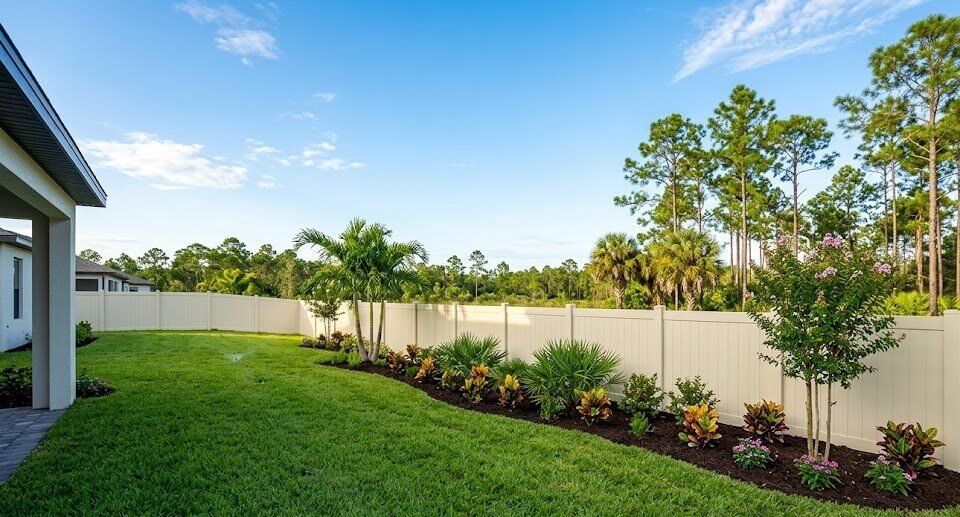
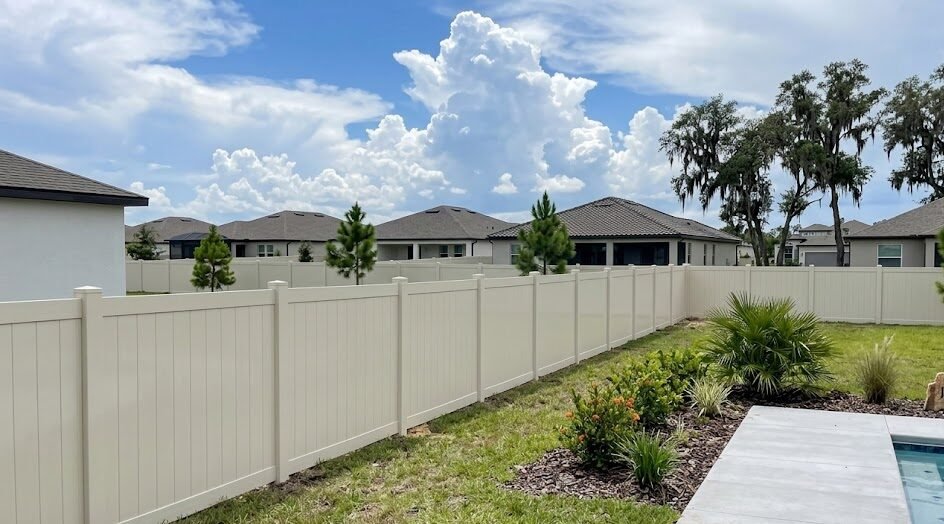
A contractor who installs in HOA communities every week is worth a great deal here, because the right material and height chosen up front usually sail through review. Whether you want a solid privacy fence to unlock that protected backyard, a lighter fence installation to define the lot, or a gate and fence integration for a driveway, the specification is what the HOA is really approving.
Match the Fence to the Community and the County
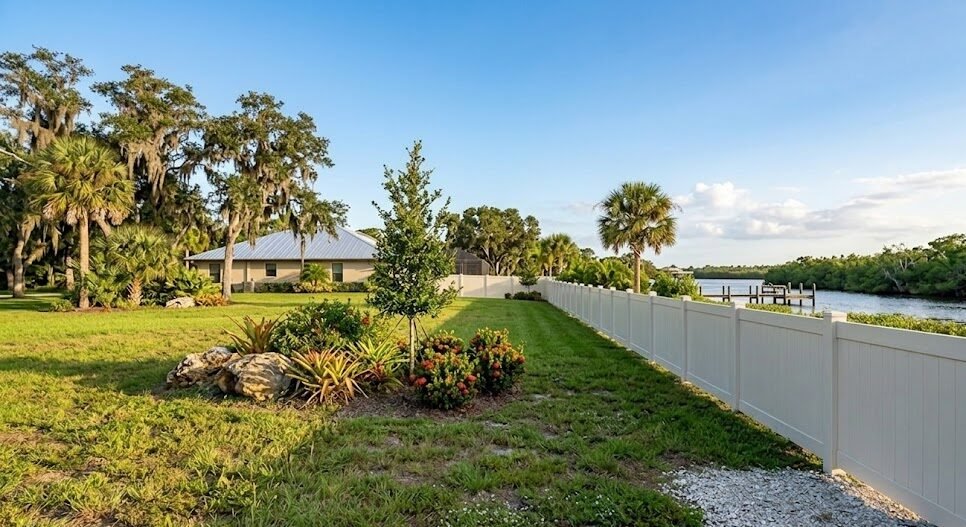
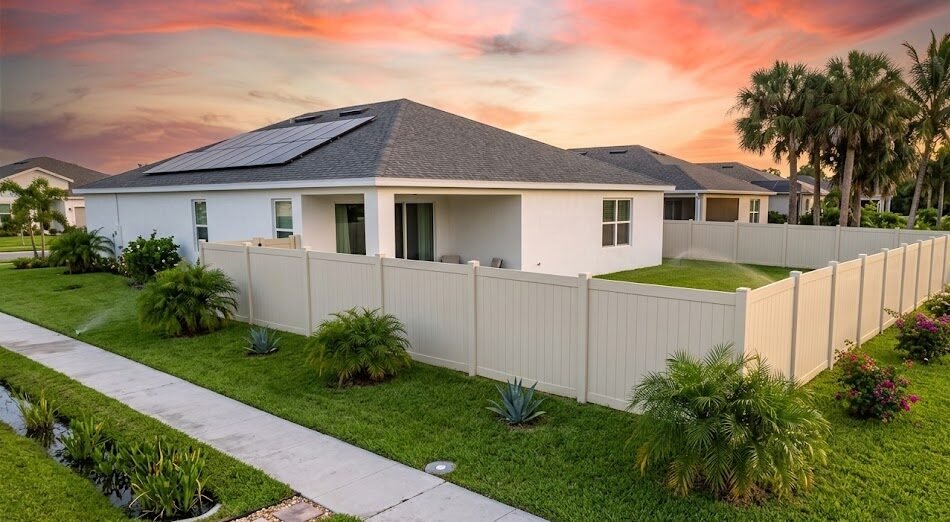
Because the board still controls appearance and the county still controls permits, the smart move is to choose a fence that satisfies both on the first try. Vinyl and aluminum tend to clear architectural review easily in Florida communities and hold up in the humidity and salt air, while wood asks more of both the approval and the maintenance. Height is usually the other pressure point, since front-yard and corner-lot limits are often stricter than backyard limits, and those limits live in both the HOA documents and the county code.
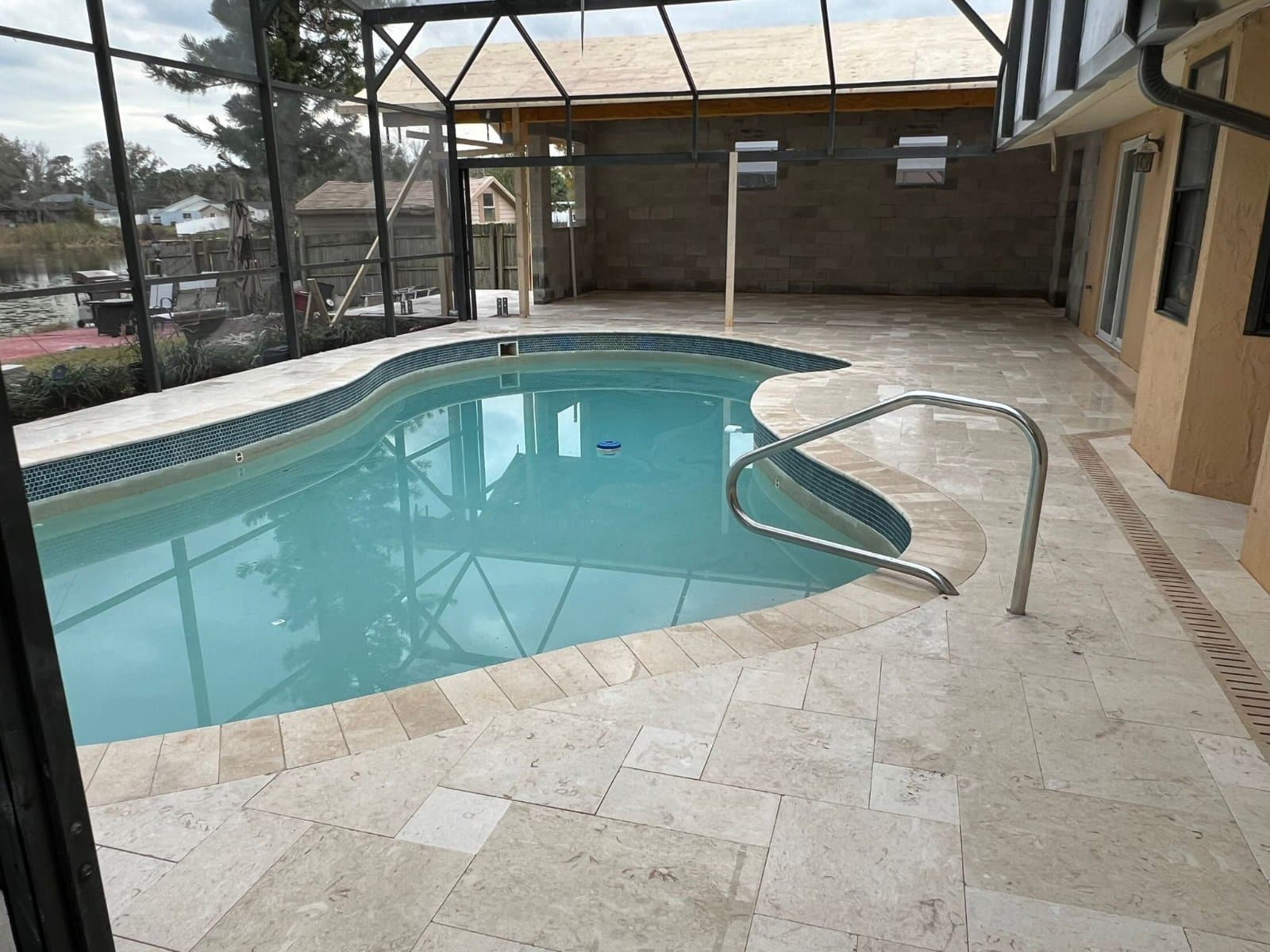
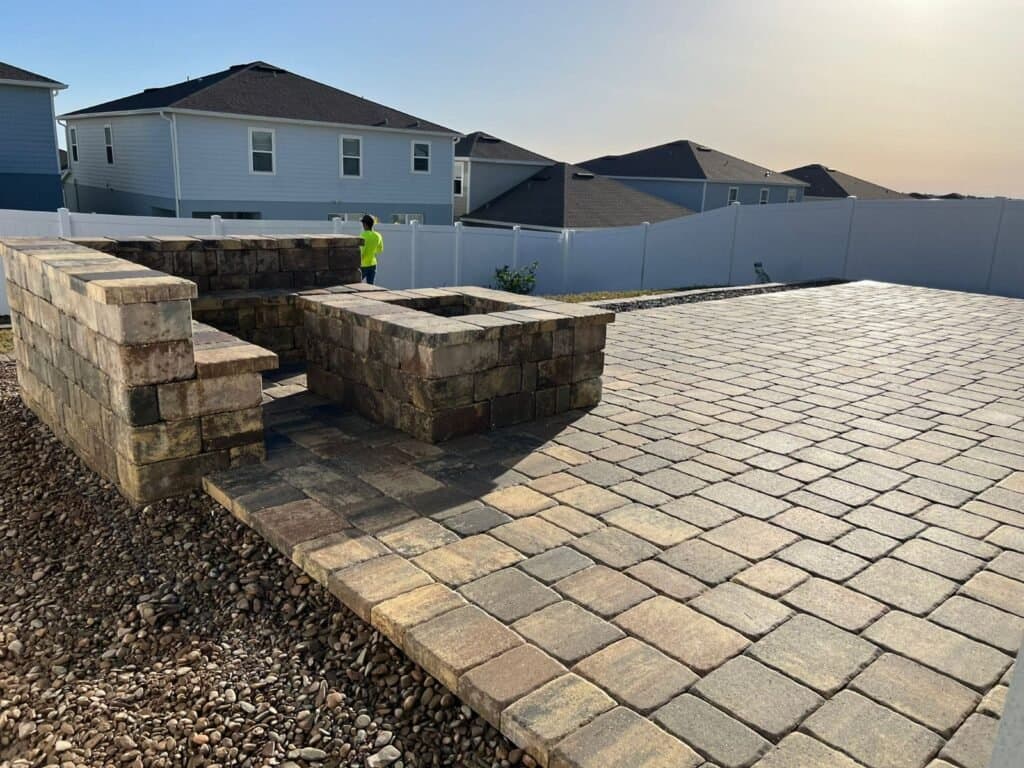
Getting that combination right is local work, and it changes from city to city. We handle HOA fence projects across Central Florida, including Orlando, Lakeland, and Winter Haven, so we know which materials and heights tend to pass in which communities. Pairing the fence with the right backyard finish is common too, and our guide to choosing pavers for Florida heat covers the surface that often goes in behind a new privacy fence.
Build the Fence, Then Enjoy the Backyard the Law Now Protects
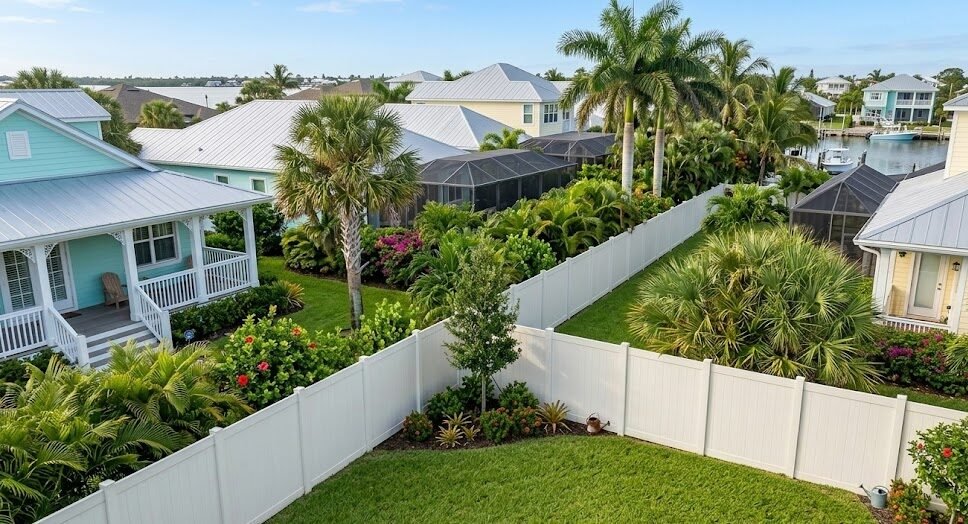
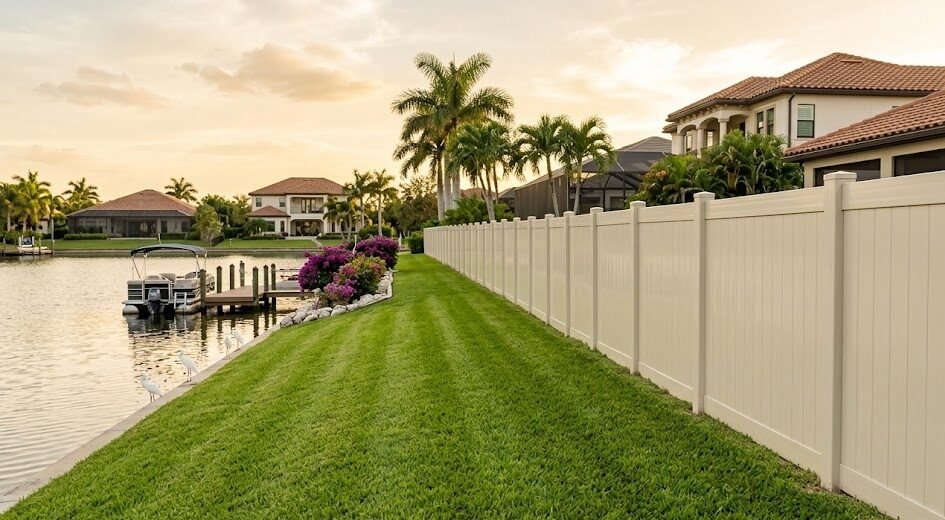
The 2026 picture is straightforward. Your HOA still reviews your fence, but it has to do it by written rules, on a real timeline, with due process, and with a capped fine, and it can no longer police what stays hidden behind that fence. That combination gives Florida homeowners more freedom over their own yards than they have had in years.
KS Solutions installs privacy, decorative, and security fences, plus pavers and artificial turf, across Central Florida with in-house crews and proper installation on every job. We work inside HOA communities constantly, so we help you pick a fence that clears architectural review and the county permit the first time, then finish the protected space behind it however you like. See our full fence installation options or how we can make that new backyard low-maintenance with artificial turf, and we will walk your lot, read your community's written standards with you, and price it straight.