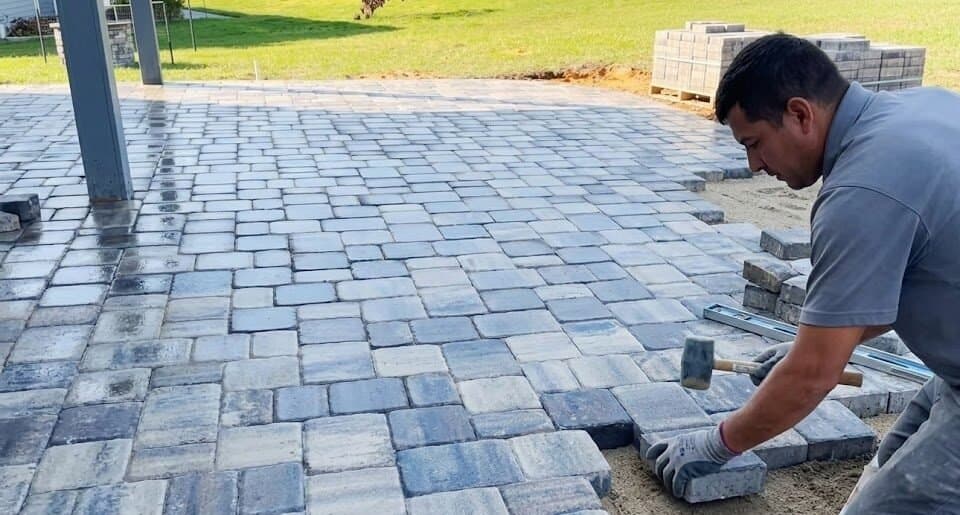
What a Backyard Renovation Really Costs in Florida
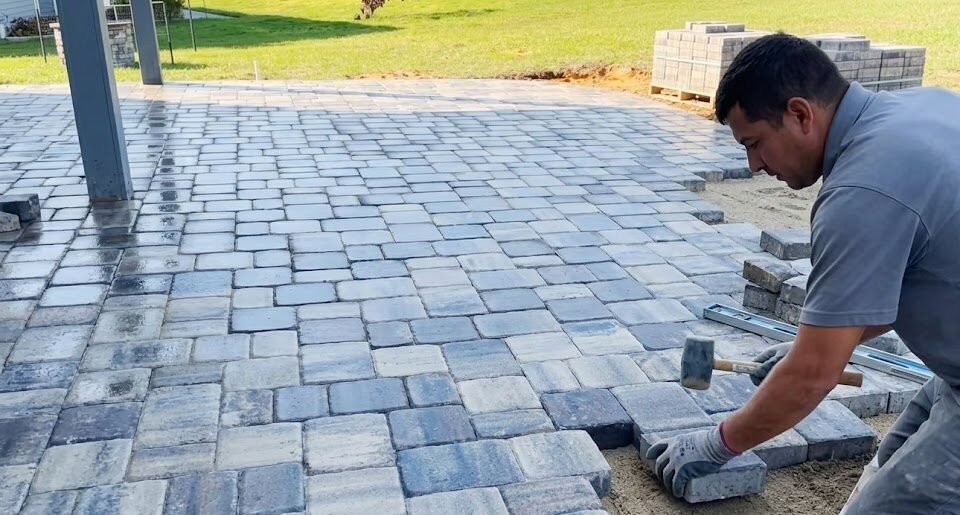
Most people start a backyard renovation with a picture and no number. They save a photo of a paver patio with a fire pit, a strip of artificial turf and a clean privacy fence, and then they have no idea whether that picture costs $8,000 or $80,000. Online averages do not help much, because a national figure mixes a $3,000 sod job in Ohio with a $150,000 pool and outdoor kitchen in California.
This guide does it the other way around. It starts from the installed prices we use for the three things that make up most Central Florida backyard projects: pavers, artificial turf and fencing. Then it builds four real budgets, from a weekend-sized refresh to a full yard, so you can see where your project lands and what moves the number. Every price here is a 2026 planning range for Central Florida, not a quote. A site visit is what turns a range into a price.
The Price List: Installed Costs Per Square Foot and Per Foot
Almost every backyard renovation is built from a short list of materials. These are the installed ranges we see in Central Florida in 2026, including base preparation and labor, before demolition, permits and extras.
| Material | Typical 2026 installed range | Unit |
|---|---|---|
| Concrete paver patio | $10 to $18 | per sq ft |
| Pool deck pavers | $14 to $24 | per sq ft |
| Clay brick or natural stone | $18 to $30 and up | per sq ft |
| Residential artificial turf | $10 to $16 | per sq ft |
| Wood privacy fence (pressure-treated pine) | $15 to $35 | per linear ft |
| Vinyl privacy fence | $20 to $50 | per linear ft |
| Aluminum picket fence | $25 to $60 | per linear ft |
| Segmental block retaining wall | $20 to $35 | per sq ft of wall face |
The details behind each line live in our individual guides: brick paver cost in Florida, fence cost by material and retaining wall cost. The point of this table is to give you building blocks you can multiply by your own yard.
Budget 1: The Refresh, Roughly $5,000 to $12,000
The refresh fixes the part of the yard you actually use and leaves the rest alone. It is the right budget when the yard works but looks tired, or when you want one usable outdoor room before committing to a bigger plan.
What it usually includes
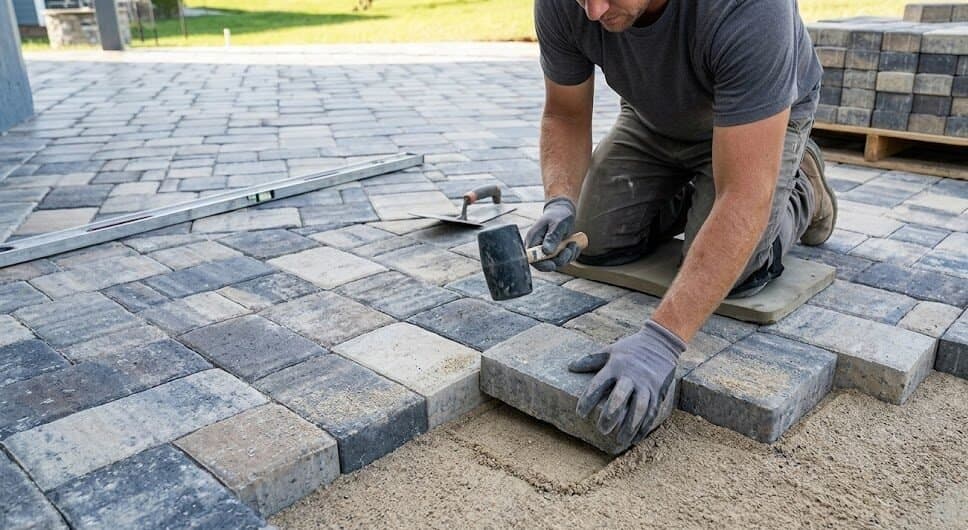
- A concrete paver patio of about 250 to 400 square feet off the back slider, enough for a table and four chairs or a small lounge set. At $10 to $18 per square foot, roughly $2,500 to $7,200.
- Basic site preparation and haul-off of old sod or a cracked slab, commonly $1,000 to $3,000.
- Optional: a small pad of artificial turf of 200 to 300 square feet for a dog run or a play area. At $10 to $16 per square foot, roughly $2,000 to $4,800.
Where refresh budgets go over: removing an old concrete slab instead of sod, a patio that needs steps because the back door sits high, and a site the crew cannot reach with equipment, which turns machine work into wheelbarrow work.
Budget 2: The Mid-Size Renovation, Roughly $15,000 to $30,000
This is where most of our backyard projects land. The mid-size renovation turns the yard into two or three zones: a place to sit, a place to play and a boundary that gives you privacy.
A typical mid-size scope
- A 400 square foot paver patio with a border, at $10 to $18 per square foot: about $4,000 to $7,200.
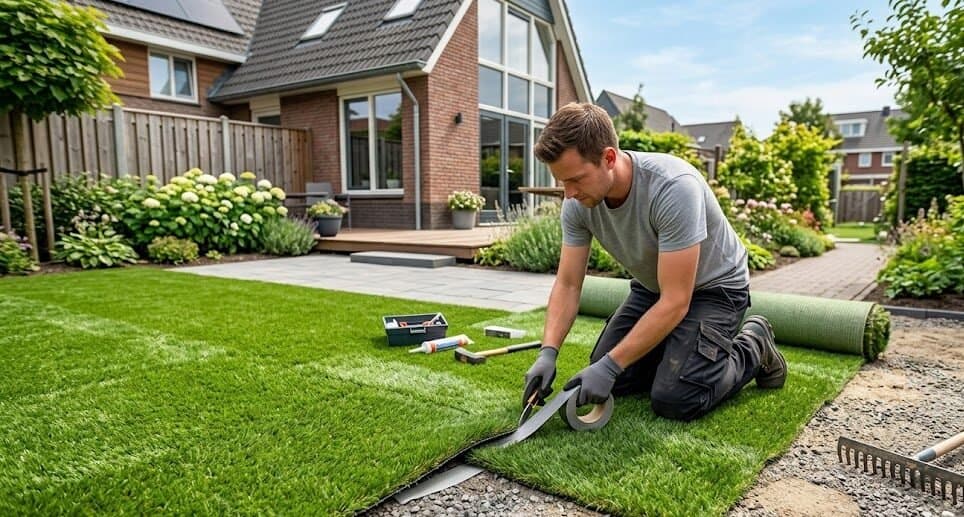
- About 600 square feet of artificial turf replacing the worst of the lawn, at $10 to $16 per square foot: about $6,000 to $9,600.
- About 150 linear feet of vinyl privacy fence with one walk gate, which typically comes in around $6,500 to $8,500.
- Site prep, haul-off and grading: about $1,500 to $3,500.
Added up, that example lands between roughly $18,000 and $28,800. Choosing pressure-treated pine instead of vinyl brings the fence line down, choosing aluminum takes it up, and shrinking the turf area is the fastest way to cut the total. Our guide to artificial turf versus pavers for a Florida backyard helps decide which material should take more of the yard.
(321) 353-7445Get Immediate Service
Budget 3: The Full Backyard, Roughly $35,000 to $60,000
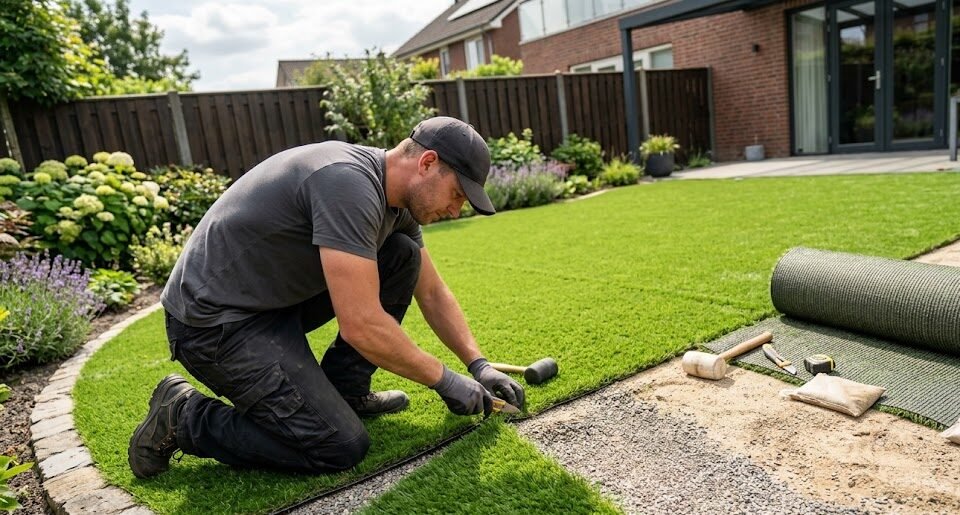
The full backyard replaces almost all of the lawn and treats the yard as one design. It usually adds features that make the space feel finished: a larger patio with a seating wall, a paver walkway connecting the patio to a side gate, a fire pit area, and fencing around the full perimeter.
- A 700 square foot paver patio and walkway: about $7,000 to $12,600 in concrete pavers, or more for a premium paver line.
- About 1,000 square feet of artificial turf: about $10,000 to $16,000.
- About 200 linear feet of vinyl privacy fence with two gates: commonly $8,000 to $12,000 or more depending on panel grade.
- A low seating or garden wall of about 60 square feet of face: about $1,200 to $2,100.
- Site prep, grading for drainage and haul-off: about $3,000 to $6,000.
This example comes to roughly $29,000 to $49,000 before upgrades. Clay brick or natural stone, a pool deck section, lighting and an outdoor kitchen push a full yard into the $50,000 to $60,000 range and beyond.
Budget 4: The Pool-Area or Outdoor Living Project, $60,000 and Up
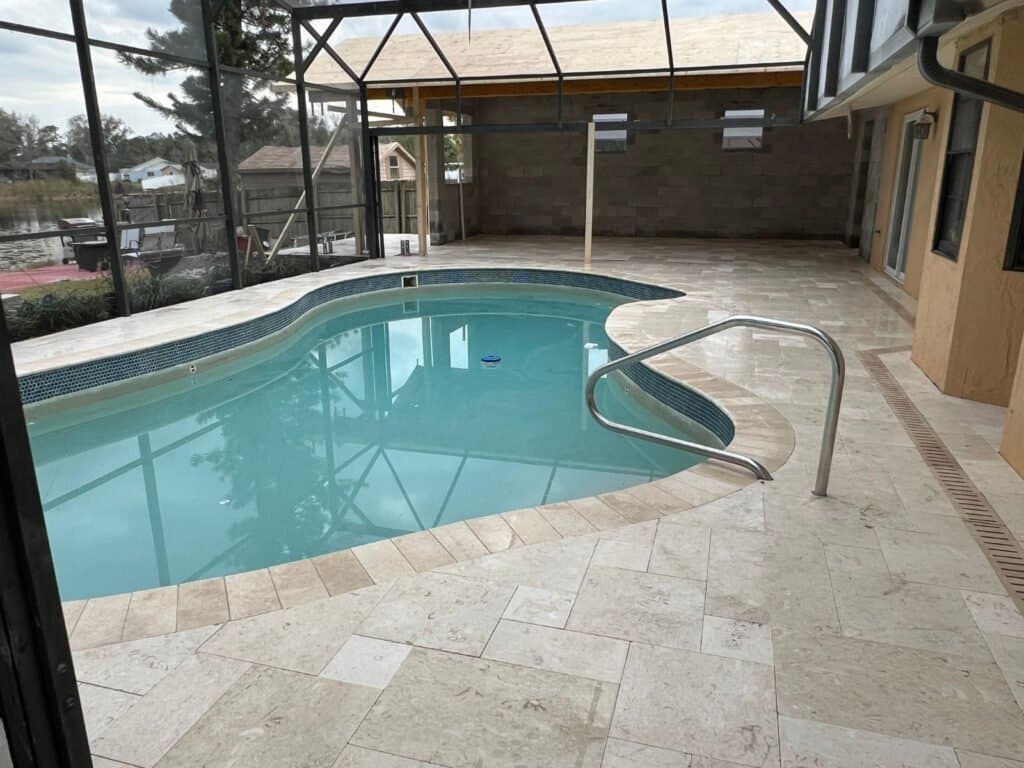
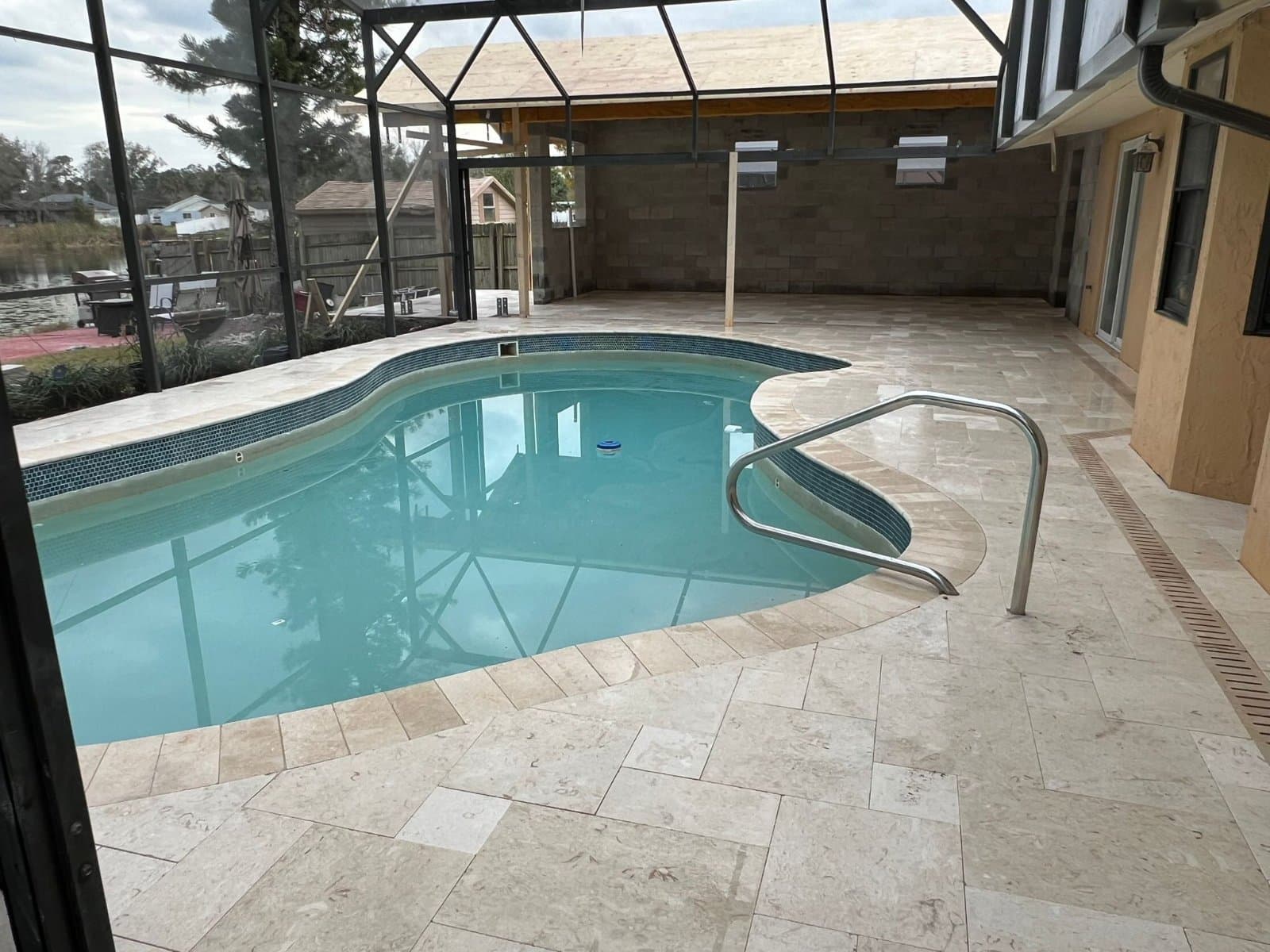
Once a renovation includes a pool deck replacement, a covered outdoor kitchen, a large screened area or engineered retaining walls, it becomes a different kind of project. Pool deck pavers run $14 to $24 per square foot because they need a slip-resistant surface and careful drainage around the coping. Outdoor kitchens bring in plumbing, gas and electrical trades, and anything that holds back soil above about 4 feet needs an engineer.
These projects are absolutely doable, but they should be priced from a site plan, not from a blog post. If your plan includes a pool area, start with our guide to pool deck pavers in Florida and bring that scope to the estimate.
Permits: Which Parts of a Backyard Renovation Need One
Permits are a small line in the budget but a big line in the schedule. Since July 1, 2026, Florida HB 803 requires local governments to exempt single-family owners, and their contractors, from a building permit for work valued under $7,500, with exclusions for structural, electrical, plumbing, mechanical and gas work and for property in flood hazard areas. A small refresh may fall under that exemption. A mid-size or full backyard usually does not, because the combined project is larger, and the law does not allow splitting a project to stay under the threshold.
Fences have their own rules almost everywhere in Central Florida, including setbacks, height limits and pool barrier requirements. Our guides on paver patio permits in Florida and fence permits in Florida cover the details. HOA approval is a separate step on top of any permit, and in many communities it takes longer than the city or county.
What Makes Two Similar Yards Cost Very Different Amounts
- Access: a yard with a 10-foot side gate lets a skid steer in. A yard behind a screen enclosure with a 3-foot gate means hand labor, which can add several dollars per square foot.
- What comes out: removing sod is cheap. Breaking out a concrete slab, old pavers or tree roots is not, and haul-off is billed by the load.
- Drainage: Central Florida downpours dump a lot of water fast. A patio or turf area has to slope away from the house, and low spots may need a drain or a regrade before anything goes down.
- Soil and base: our sandy soil drains well but shifts if the base is thin. A proper compacted base is where cheap quotes cut corners, and it is what decides whether pavers stay flat for 20 years.
- Material grade: standard concrete pavers versus premium lines, entry vinyl versus heavy-wall vinyl, basic turf versus a pet system with antimicrobial infill.
- Shape and detail: curves, borders, steps, inlays and multiple levels add cuts and labor.
How to Phase a Renovation Without Paying Twice
Not every budget allows a full yard at once, and that is fine. The trick is to phase it in an order that does not undo earlier work. Fencing usually goes first, because fence crews need clear access along the property line and you want the boundary done before turf or pavers go near it. Hardscape comes next, because pavers involve excavation, compaction equipment and pallets of material that would damage new turf. Turf and planting go last.
Plan the drainage and grades for the whole yard in phase one, even if you only build the patio. A simple site plan that shows where every future zone will go keeps the patio base, turf edges and fence posts from fighting each other later.
Line Items That Rarely Make the First Estimate
When a finished project costs more than the first number, it is usually not because the paver or turf price changed. It is because something around the main work was never in the scope. Ask about each of these before you sign, so they show up as a line on the estimate instead of a surprise on the last day.
- Irrigation changes: sprinkler heads and lines under a new patio or turf area have to be capped, moved or rerouted. Turf does not need spray irrigation, but the planting beds around it still do.
- Edging and transitions: where pavers meet turf, turf meets a planting bed or a patio meets the house slab, the edge detail decides how clean the yard looks in five years.
- Downspouts and runoff: a roof downspout that used to dump into the lawn now dumps onto a new patio. Extending it or tying it into a drain is cheap during construction and annoying afterward.
- Gates and hardware: a wider gate for a mower or a boat, self-closing hinges around a pool, and quality latches all change the fence price.
- Sealing: new pavers are not sealed on day one. If you want a sealed or wet-look finish, plan for it after the pavers settle, as we explain in our guide to sealing pavers in Florida.
- Restoring what the crew crosses: the path equipment takes through a side yard sometimes needs sod patching afterward.
How to Compare Backyard Renovation Quotes
Two estimates for the same yard can differ by thousands of dollars and both be honest, because they describe different work. The only way to compare them is line by line. A good estimate states the square footage of each paver and turf area, the base material and its depth after compaction, the edge restraint, and whether joints get polymeric sand. For turf, it names the product, the base, the infill and how the edges are secured. For fence, it lists the linear feet, the post spacing, how deep posts are set and in what, the number and width of gates and who pulls the permit.
Then look at what is not on the page: demolition and haul-off, irrigation changes, permit and HOA paperwork, cleanup and the workmanship warranty. A low quote that leaves three of those out is not cheaper. It just has not finished counting yet. If a contractor cannot tell you how deep the base is or how it gets compacted, that is the answer to which quote to trust in sandy Central Florida soil.
Is a Backyard Renovation Worth It in Florida?
Outdoor space is used almost year round in Central Florida, so a usable backyard adds daily value that a buyer can see. Hardscape and fencing also tend to hold their condition longer than a lawn that needs constant work. We look at resale value in more detail in our guide on whether hardscaping adds home value in Florida. The honest answer is that the best return comes from a well-built, simple yard that fits the house, not from the most expensive feature list.
Getting a Real Number for Your Yard
A range gets you started. A site visit gets you a real price, because it measures the patio, walks the fence line, checks the drainage and looks at access. KS Solutions installs brick pavers, artificial turf and fencing across Central Florida, and prices all three together so the phases fit. We work throughout Orlando, Kissimmee and Lakeland, with free estimates Monday through Saturday.