Color Is a Temperature Decision Before It Is a Style Decision
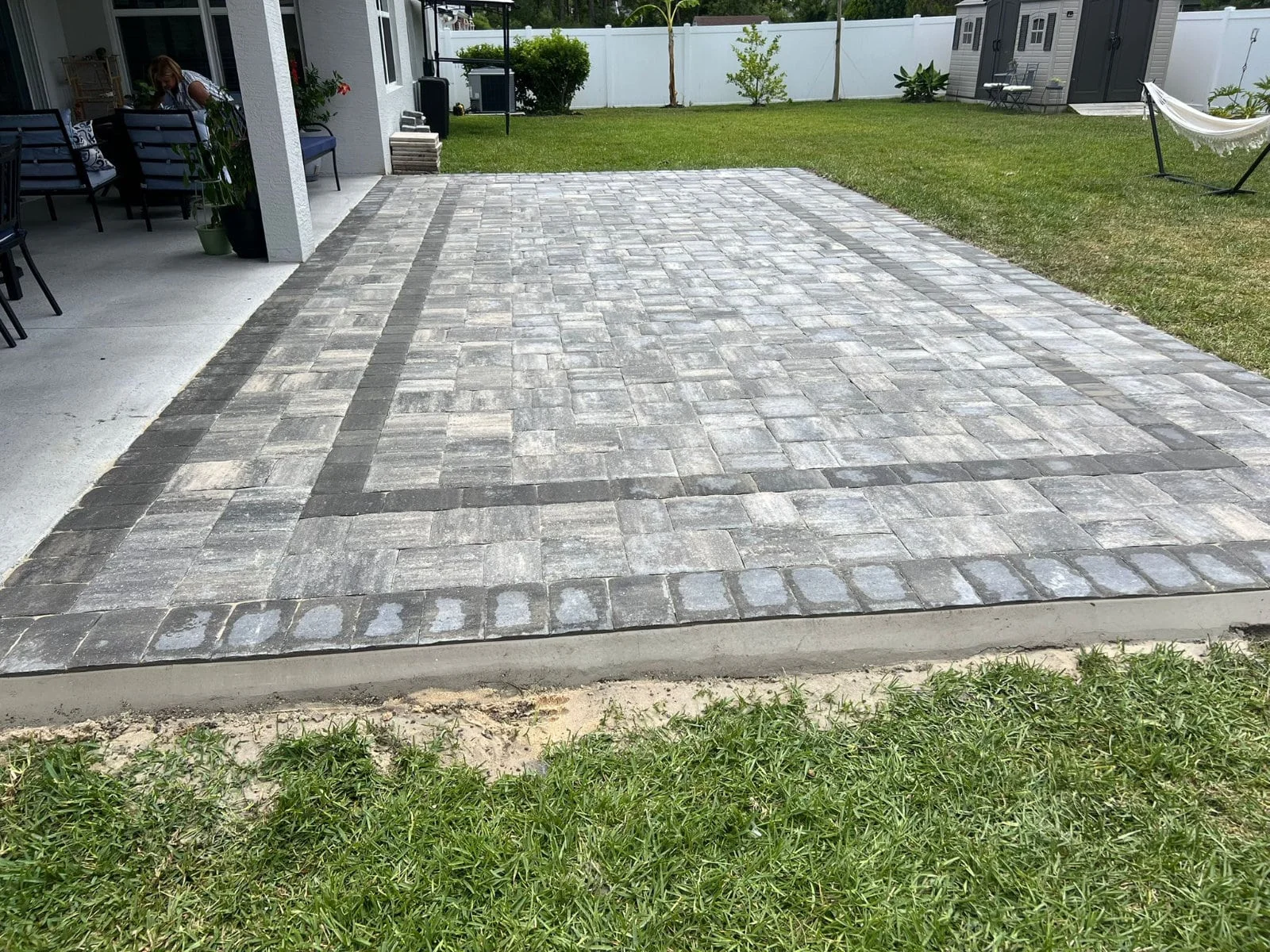
In Central Florida, paver color does something it does not do in Ohio. It sets the surface temperature of the thing your family walks on barefoot for six months of the year.
The physics are not subtle. Light surfaces reflect roughly 60 to 80 percent of incoming solar radiation. Dark surfaces absorb 70 to 90 percent of it. Everything else being equal, the same paver body in a light sand tone and in a charcoal will differ by 30 degrees or more in surface temperature under identical July sun.
Put medical numbers next to that. Human skin sustains first degree burns at about 118 degrees of contact temperature, and second degree burns at about 131 degrees. Pavement in direct sun regularly runs 40 to 60 degrees above the air temperature. On a 95 degree Orlando afternoon, a dark hardscape surface can sit at 140 degrees or higher, and a light one can sit near 110.
One of those surfaces is uncomfortable. The other one is a burn risk for a four year old crossing it to reach the pool. That is the entire case for treating color as an engineering choice on a pool deck and a style choice everywhere else. Our comparison of travertine, brick and porcelain pavers in Florida heat covers how the material body itself changes those numbers, and the two effects stack: light color on a cool material is the coolest combination available, and dark color on a dense material is the hottest.
Where the Heat Rule Applies and Where It Does Not
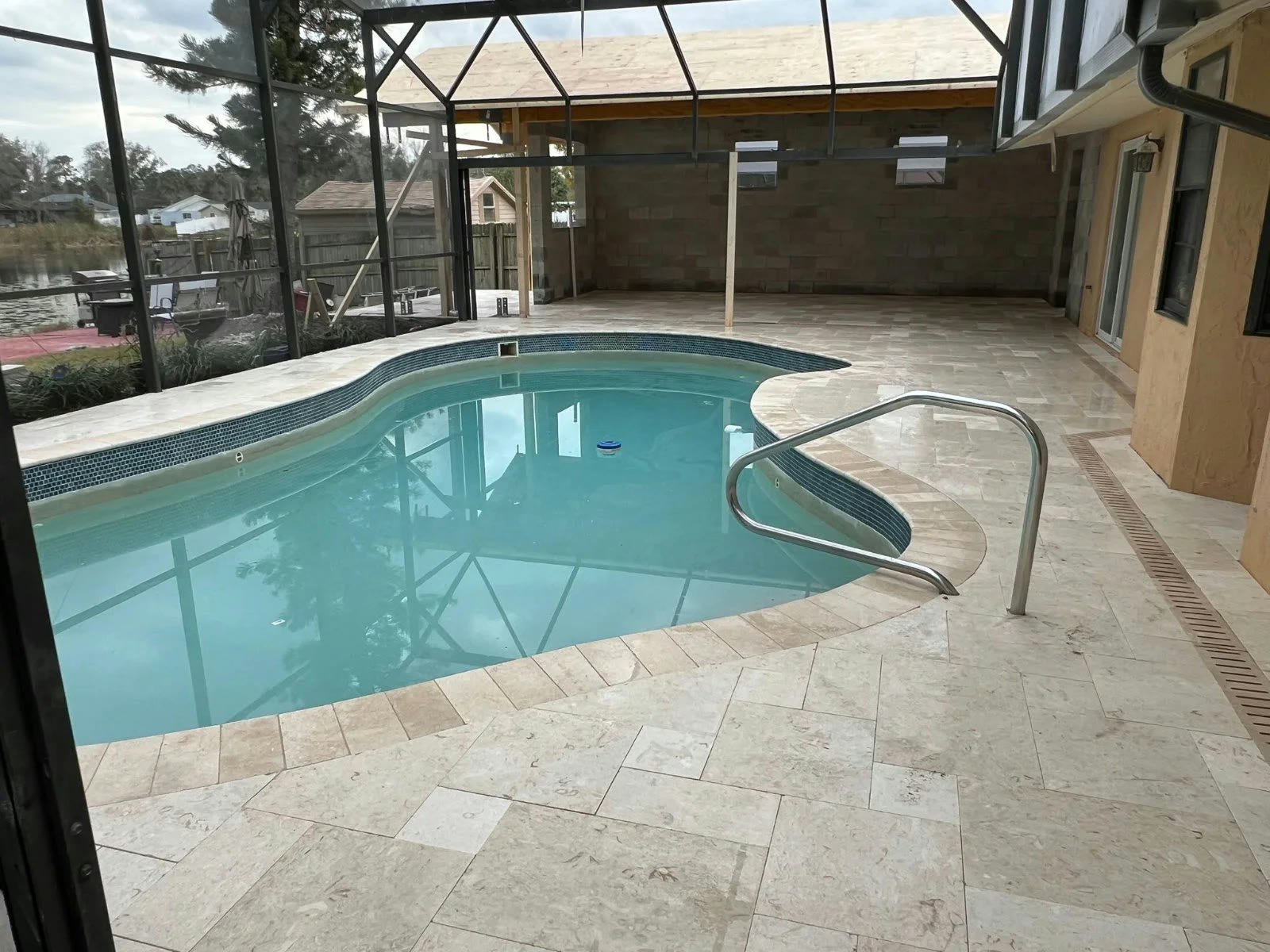
Applying the barefoot standard to the whole property is how people end up with a driveway the color of a beach and a permanent tire mark problem.
Surface by surface, the priority changes:
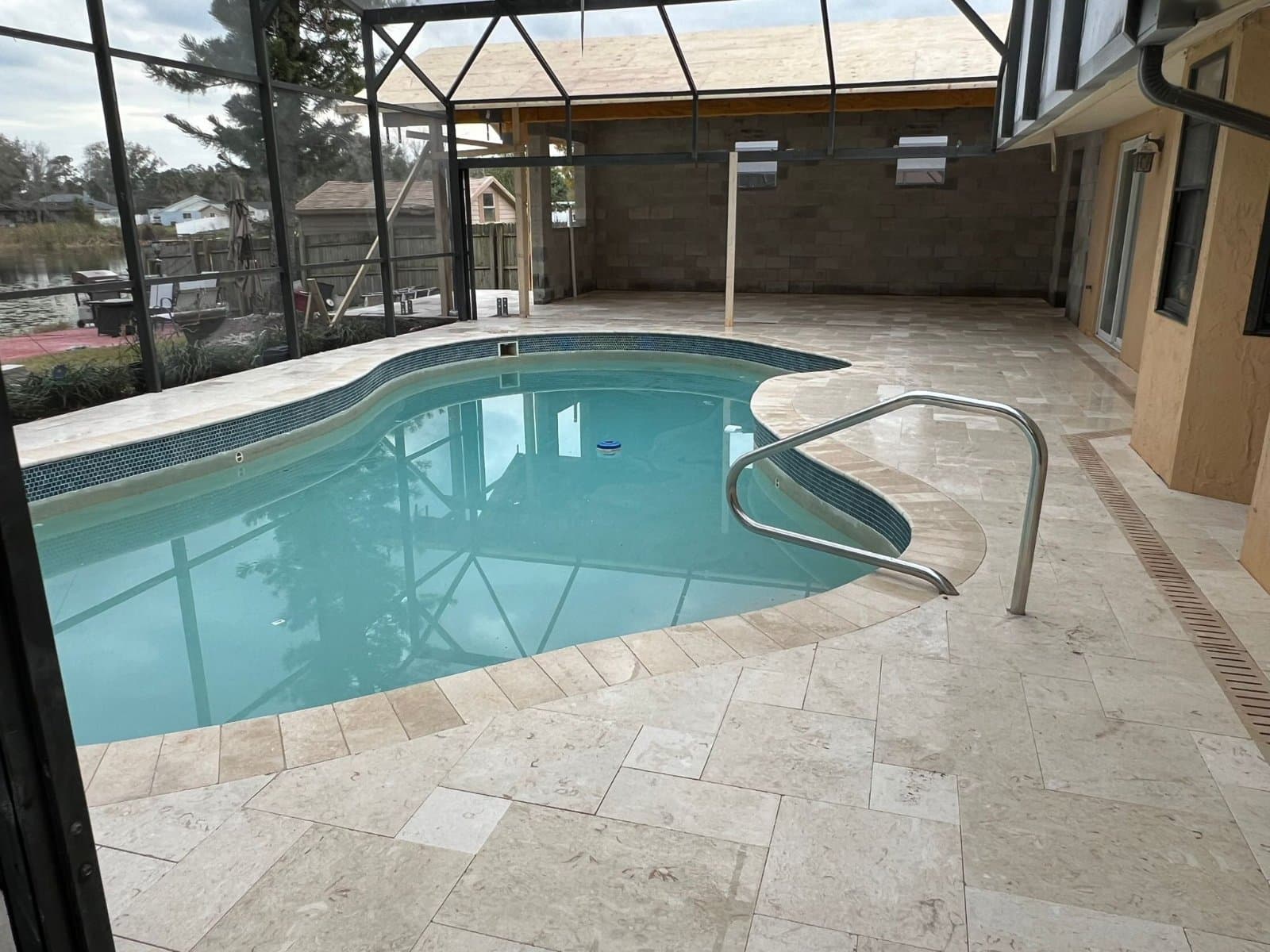
- Pool deck and the path from the house to the water: heat is the top priority and it outranks everything else. This is the one surface where barefoot contact is guaranteed and repeated. Choose light, and treat any dark accent as a border you can step over rather than a field you have to cross.
- Open patio without a pool: heat matters, but people are usually in shoes or under a screen enclosure or pergola. Shade changes the math more than color does, so a mid tone is fine here.
- Walkways and side yards: heat is a minor concern. Dirt and traffic are the real issues. Mid tone blends outperform anything at either extreme.
- Driveway: heat is irrelevant, because nobody stands on a driveway barefoot for long. Stain resistance is the whole game, and light colors are the worst possible choice here.
The mistake we see most often is a homeowner who reads about cool surfaces, falls in love with a near white paver, and installs it on the driveway. Six months later there is a dark oval where the car parks, rust bloom under the sprinkler zone, and a red brown stain wherever oak leaves sat wet through a summer.
The Dirt Question, Which Nobody Asks Until It Is Too Late
Florida punishes hardscape in specific and predictable ways, and the color decision either fights those forces or feeds them.
Four things stain pavers here, and they stain in different colors:
- Algae and mildew, which are green and black. Humidity plus shade produces biological growth on any surface. It shows most on light, uniform colors and on north facing surfaces that never fully dry.
- Iron in irrigation water, which is orange. Well water in much of Polk, Lake, and Osceola County carries iron, and every sprinkler cycle deposits a little more. It is nearly invisible on a warm tan or brown blend and it is a glaring problem on gray or white.
- Tannin from oak and leaf litter, which is red brown. Central Florida is full of live oaks. Wet leaves sitting through a rainy week leave a shadow that lasts.
- Automotive drips, which are black. Oil and transmission fluid on a driveway are inevitable over a decade, not a possibility.
Now look at the color families against that list. A warm tan, buff, or brown blend hides iron and tannin because the stains land inside the color range the surface already contains. A charcoal or black hides oil and tire marks but shows mineral bloom and efflorescence as pale ghosting. A light gray or near white hides nothing at all. And a uniform single color of any shade shows every stain more clearly than a blend, because the human eye reads a deviation against a flat field far faster than against a variegated one.
This is the actual reason experienced installers push blends. It is not a fashion preference. A three tone blend has visual noise built into it, and visual noise is what a stain has to compete with in order to be noticed.
Efflorescence: The White Haze That Is Not Your Installer's Fault
Within the first year, most new concrete paver installations develop some degree of efflorescence, a whitish powdery haze on the surface. Homeowners routinely read it as a defect or as a cleaning failure.
It is neither. It is calcium hydroxide inside the concrete migrating to the surface with moisture and reacting with carbon dioxide in the air to form calcium carbonate. It is a normal part of concrete curing and it typically weathers off over months as rain and traffic wear it away.
Where color choice comes in is visibility. On a light gray or cream paver, efflorescence is nearly invisible. On a charcoal, a deep red, or a dark brown, it is a chalky film over the entire surface and it is the number one call our office gets after a dark paver installation. The material is doing exactly what it is supposed to do. The color simply makes the process visible.
If you want a dark paver, the honest advice is to expect this, to resist the urge to attack it with acid in month two, and to plan the first sealer application only after the efflorescence cycle has largely run its course. Our guide to sealing pavers in Florida covers that timing in detail, and rushing it is one of the ways a good installation gets ruined by good intentions.
(321) 353-7445Get Immediate Service
Patterns Are a Structural Decision on a Driveway
Here is where the conversation stops being about looks entirely.
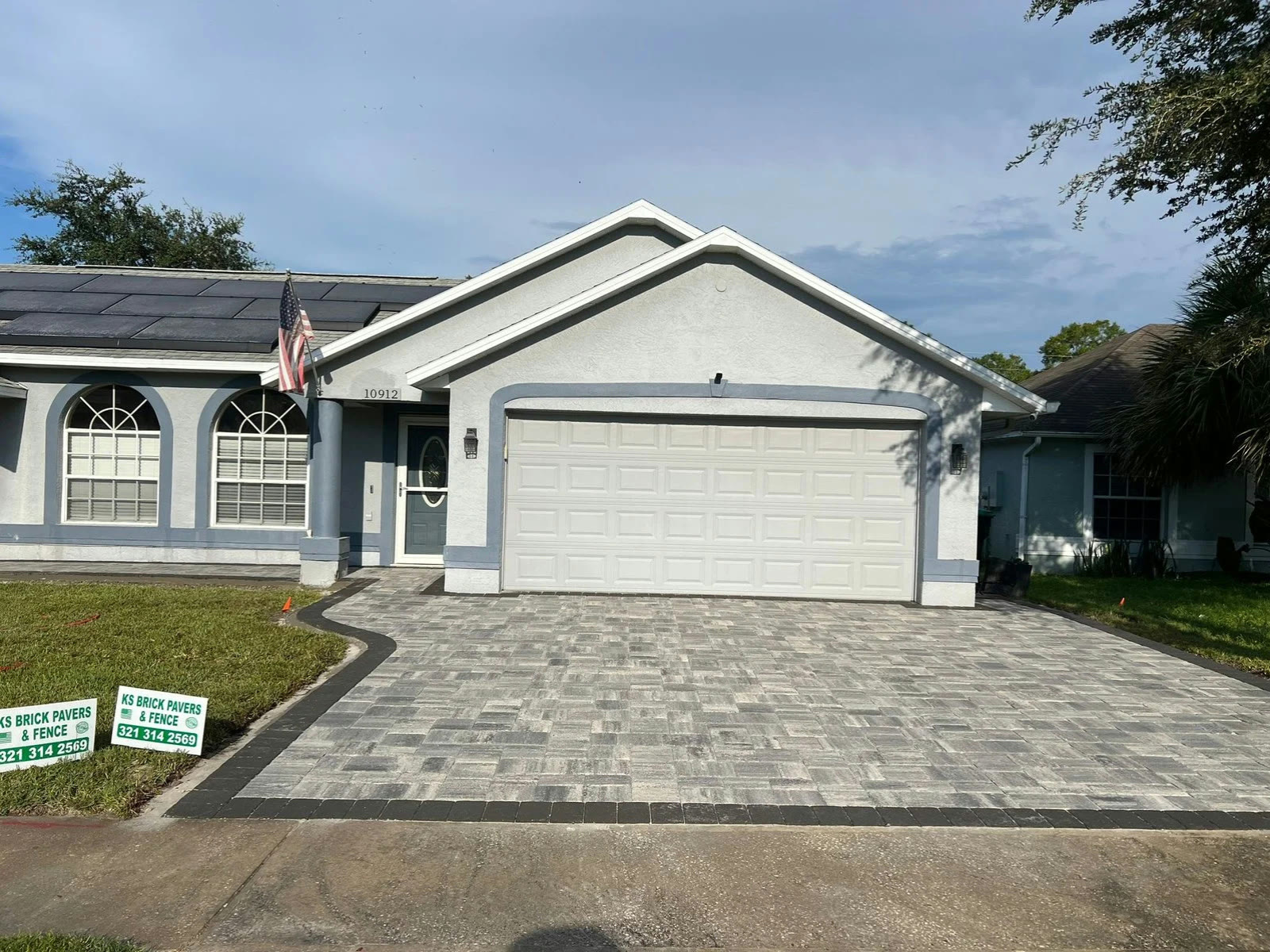
The Interlocking Concrete Pavement Institute recommends herringbone, at either 45 or 90 degrees, for any application subject to vehicular traffic. That is not an aesthetic preference in a design guide. It is a load recommendation, and the reason is horizontal creep.
When a tire turns, brakes, or accelerates on a paver surface, it applies a horizontal force. In a running bond or stack bond, the joints run in continuous lines, and pavers can migrate along those lines over years of that force. In a herringbone, every unit is locked by its neighbors in multiple directions and there is no continuous joint line for the surface to creep along. The pattern is what converts a field of individual units into an interlocking pavement.
The 45 degree and 90 degree versions perform nearly identically in structural terms. The difference is at the border, where the 45 degree layout produces diagonal cuts around the entire perimeter and the 90 degree layout runs its zigzag parallel to the edges and needs fewer cut pieces. Both need a stable edge restraint, because horizontal interlock is only as good as what stops the outermost course from moving.
For a brick paver installation that will carry vehicles, this is the one place we do not treat pattern as a homeowner preference. Patio and pool deck patterns are yours to choose. A driveway pattern is a specification.
What Each Pattern Actually Costs You in Material
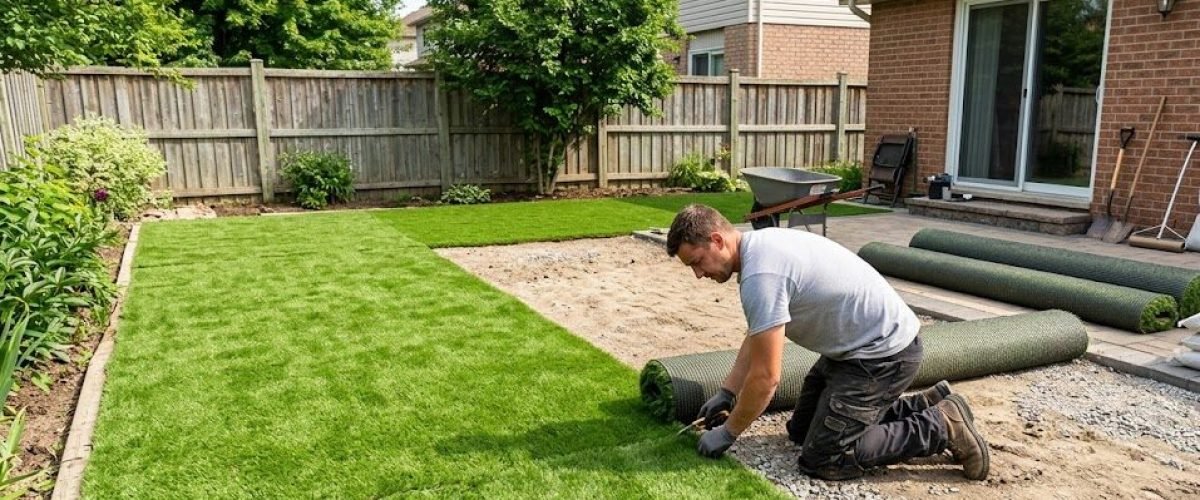
Pattern also has a price, and it is a bigger number than most homeowners expect because it shows up as waste rather than as a line item.
- Running bond: the least wasteful layout, typically 3 to 5 percent. Half pieces cut from one end of a row often fit the other end of the same or an adjacent row, so very little goes in the bin.
- 90 degree herringbone: mid range. The zigzag runs parallel to the edges, so perimeter cuts are square and some offcuts are reusable.
- 45 degree herringbone: the most wasteful, typically 10 to 15 percent, and higher on complicated shapes. Every perimeter cut is diagonal and the resulting triangles are usually too small to reuse anywhere.
- Curved and irregular areas: on a shape with multiple recesses, angles, or curves, herringbone waste can approach 25 percent.
The worked example makes it concrete. A 10 by 10 foot patio, 100 square feet, laid in running bond with a standard 4 by 8 inch paver takes about 115 pavers including a 5 percent waste factor. The same 100 square feet in 45 degree herringbone takes about 132 pavers. That is 17 extra units on a small patio, and the gap scales linearly. On a 700 square foot driveway it is roughly 120 extra pavers, plus the labor hours to make every one of those diagonal cuts.
None of that argues against herringbone on a driveway, where the structural case wins outright. It argues for knowing what you are buying. If a bid for a herringbone driveway is materially cheaper than the others, one likely explanation is that the estimator used a running bond waste factor, and the shortfall shows up as a mid job change order or a dye lot mismatch when the second pallet arrives.
Border and Soldier Courses Are Not Decoration
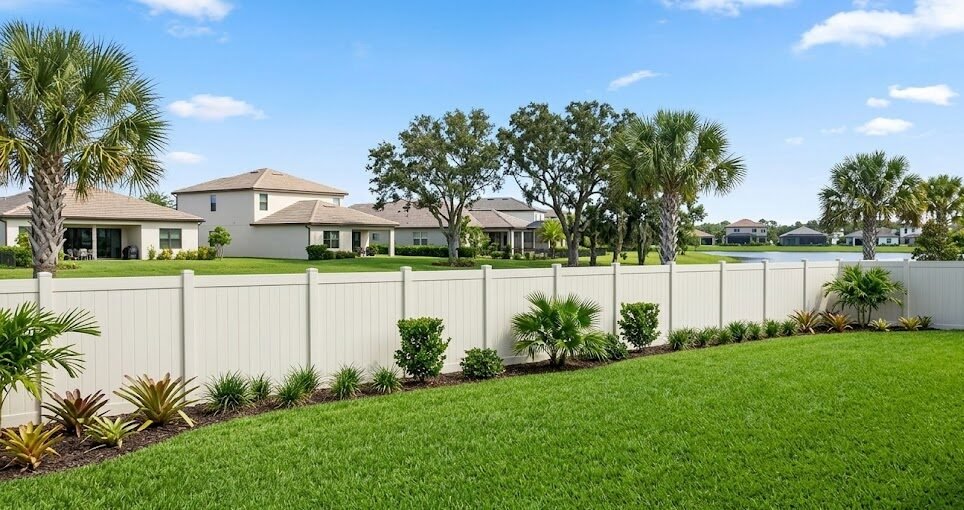
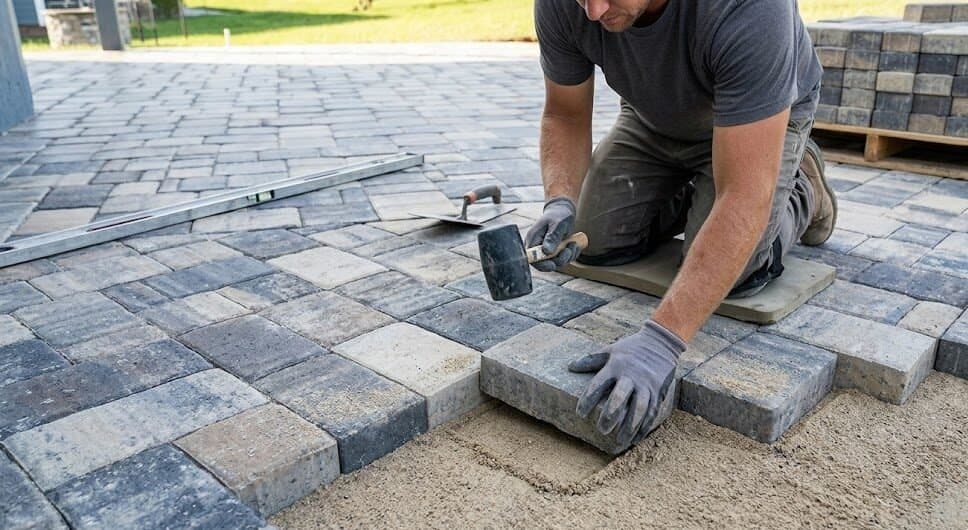
The single row of pavers laid perpendicular around the perimeter, called a soldier course or sailor course depending on orientation, reads as a design flourish. It is doing structural work.
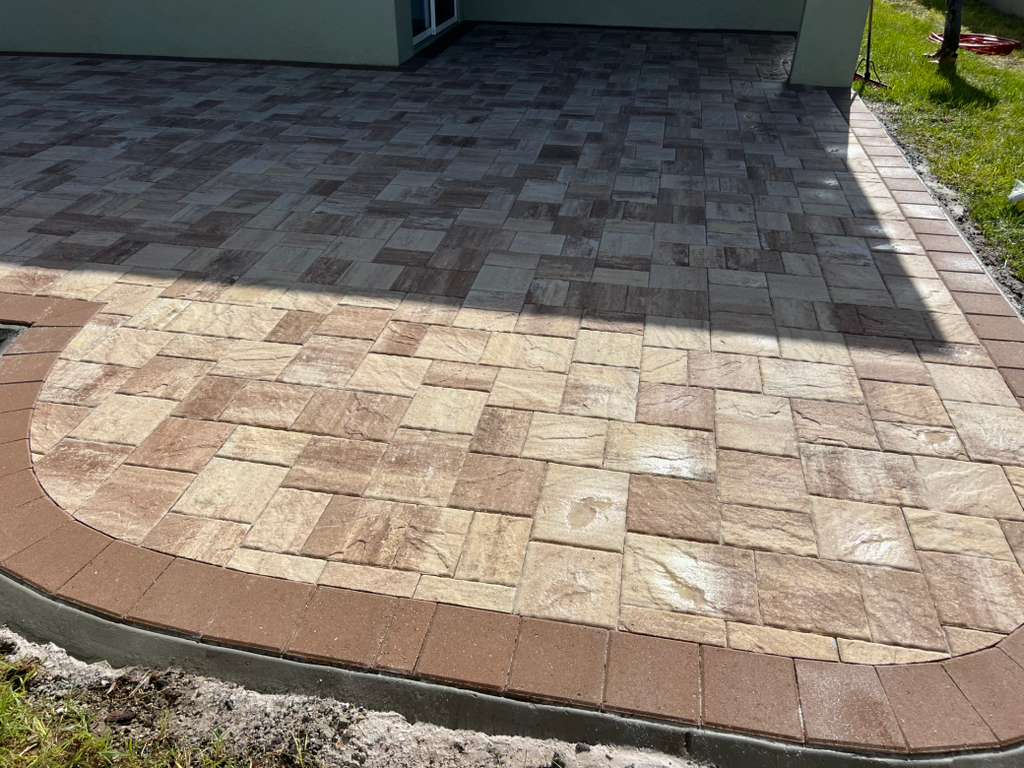
ICPI guidance for vehicular applications pairs herringbone with sailor courses at the perimeter, and the reason is that the border is the transition between the interlocked field and the edge restraint. It gives the field something uniform to terminate against, it absorbs the irregular perimeter cuts into a clean line, and it distributes edge loading rather than concentrating it on cut fragments.
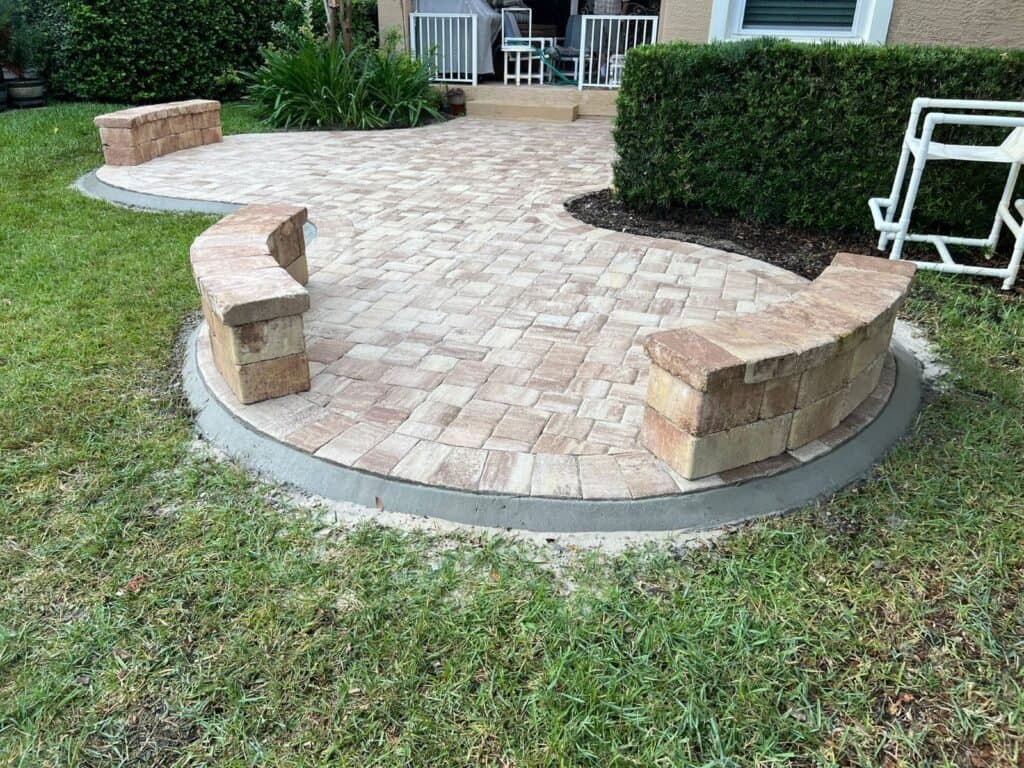
Design wise, a border in a contrasting color is also the cheapest way to make a modest hardscape look intentional. A charcoal border around a tan field costs a few dozen extra units and does more visual work than upgrading the entire field to a premium color. And because the border is a small area, a dark border is a way to get contrast without creating a hot surface anyone has to stand on.
Reading a Blend Before You Buy It
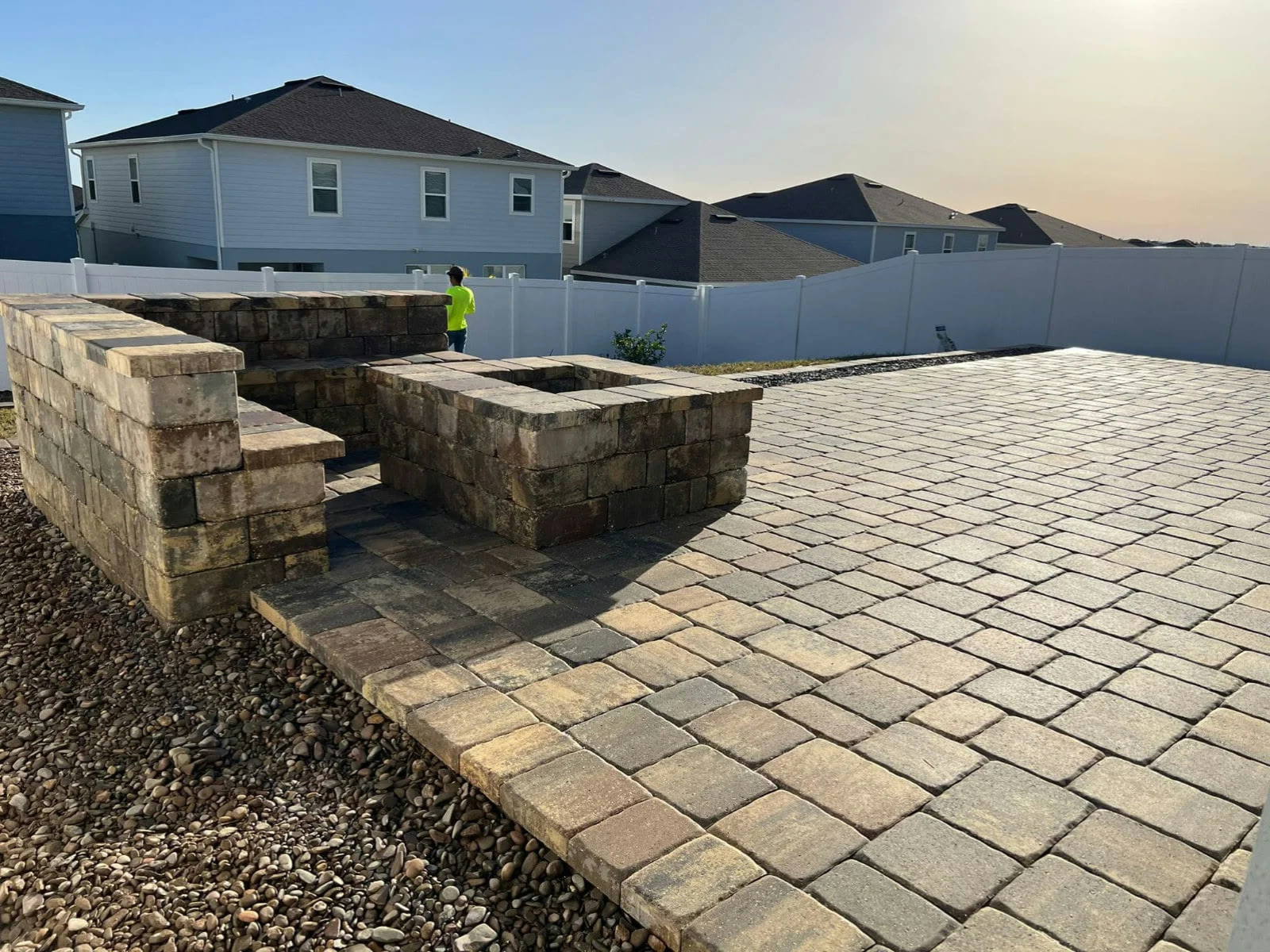
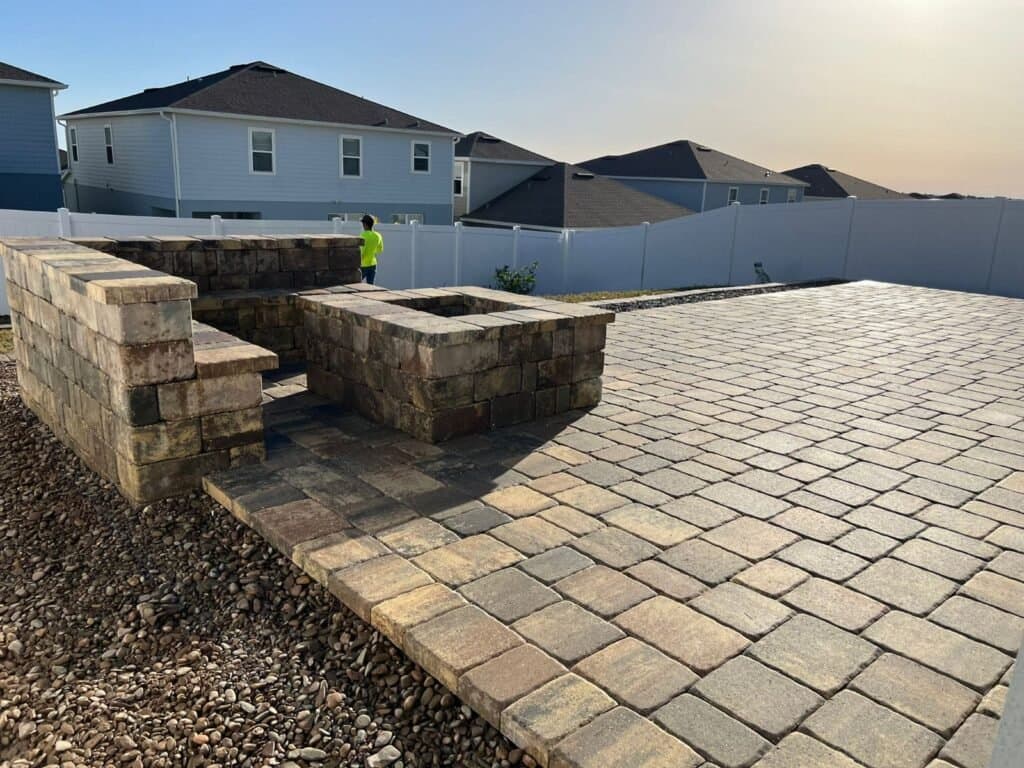
Almost every paver sold in Central Florida for residential work is a blend rather than a single pigment, and blends are difficult to judge from a sample board.
Three habits that prevent regret:
- Look at an installed field, not a sample. A four inch chip tells you the color of one unit. It tells you nothing about how the blend reads across 600 square feet, which is the only thing that matters. Ask your installer for addresses of completed work in the same product.
- Look at it wet. Wet pavers are substantially darker than dry ones, and in Florida your hardscape is wet several times a week for half the year. A blend that looks like light sand dry can read as medium brown wet.
- Look at it at the hour you will use it. A pool deck seen at 10 a.m. in full sun and the same deck at 6 p.m. in low angle light are visually different surfaces. Judge it in the light you will actually live in.
- Confirm the dye lot. Concrete pavers vary between production runs. All material for one project should come from the same run where possible, and any pallets from a different run should be mixed across the field rather than laid as a block, so variation reads as blend rather than as a patch.
Fade Is Real, and It Is Not Uniform
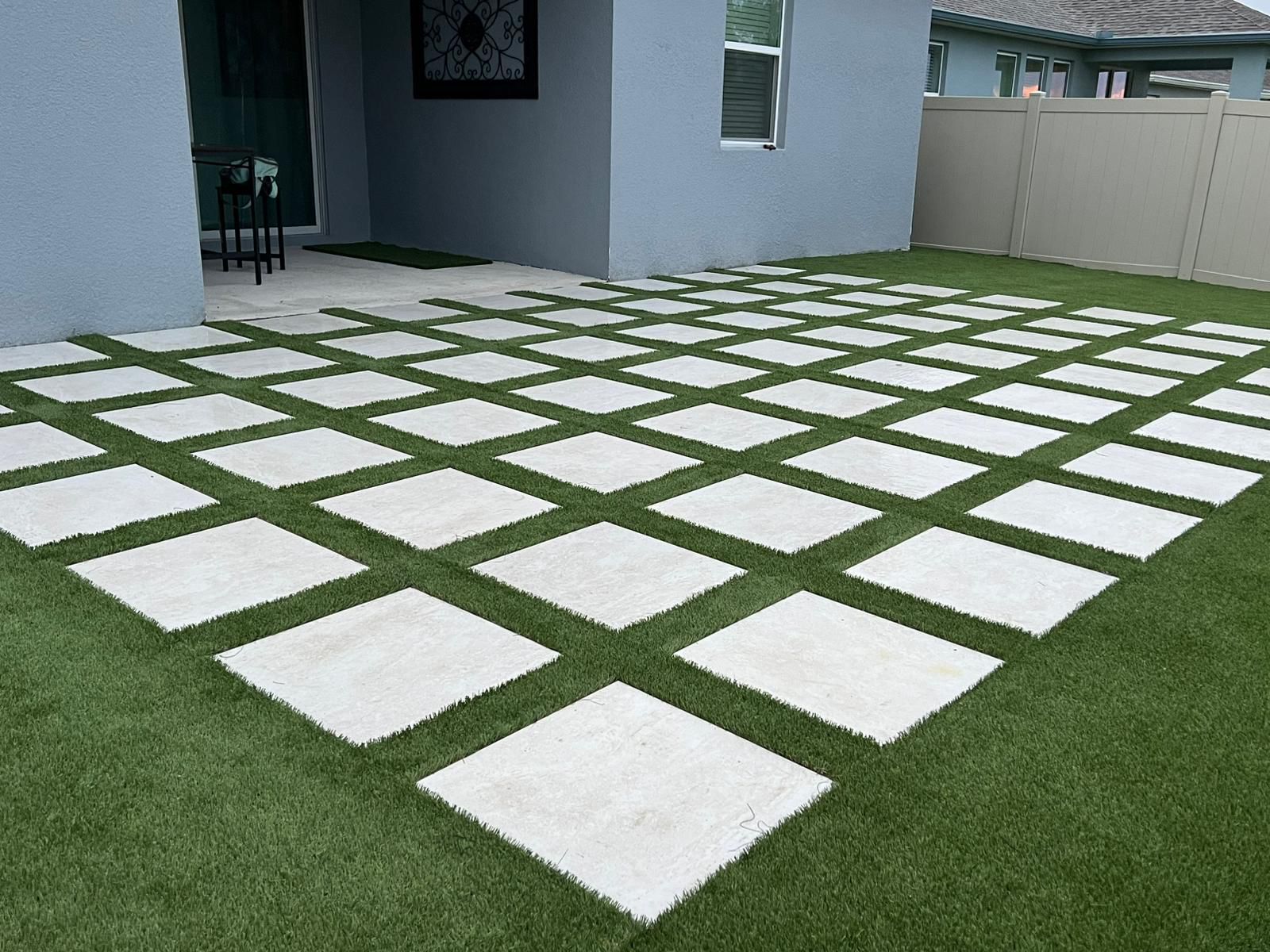
Every pigmented concrete product fades under ultraviolet exposure, and Florida delivers more of it than almost anywhere in the continental United States.
What is worth understanding is that fade is uneven in a specific way. Iron oxide pigments, which produce the tans, browns, reds, and blacks, hold their color relatively well. The most saturated and most unusual colors tend to shift the most. A deep charcoal generally softens toward a medium gray over a decade. A rich terracotta softens toward a lighter clay tone.
There are two practical consequences. First, choose the color you can live with after it has softened, not the one that looks best on the day of delivery. Second, this is a real argument for a blend over a single color, because when a blend fades, the relationships between its tones shift together and the surface still reads as intentional. When a single saturated color fades unevenly, it just looks tired.
Sealers with UV inhibitors slow the process and restore visual saturation, which is much of why sealed pavers look better than unsealed ones at year eight. That is a maintenance commitment rather than a one time purchase, and it is worth pricing into the decision alongside joint sand, which has its own Florida specific failure modes.
Matching the House Without Matching the House
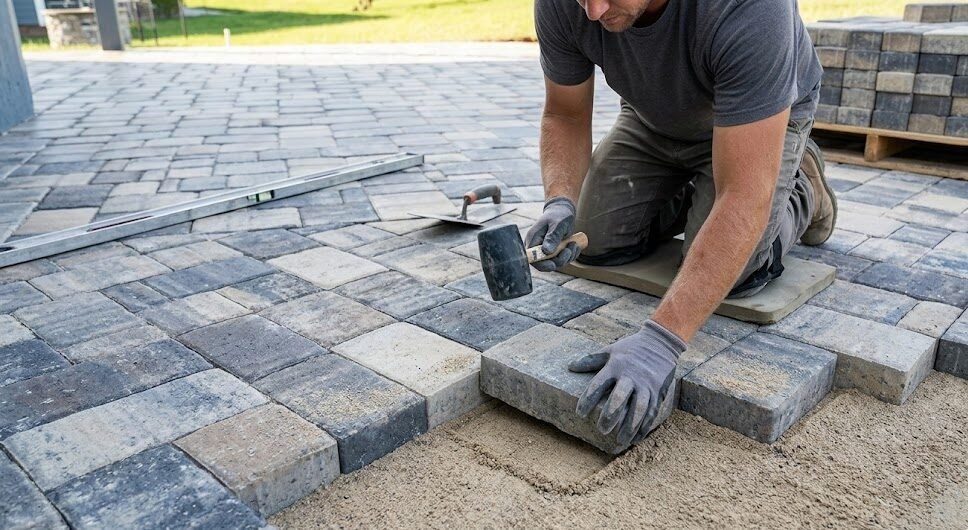
The most common aesthetic mistake is trying to match the paver color exactly to the roof, the trim, or the wall.
Exact matching almost never works, because the materials have different surface textures, different reflectivity, and different aging curves. A paver that matches a roof shingle on the day of installation will not match it in four years, since the two products fade at different rates in different directions.
The approach that holds up is to work in temperature rather than in exact tone. Pull the undertone from the largest permanent element on the property, usually the roof or the exterior wall, and choose a paver blend in the same warm or cool family without trying to hit the same value. A warm beige stucco house with a brown roof wants a warm tan or buff blend. A gray or white house with a charcoal roof wants a cool gray blend. Crossing the families, warm pavers against a cool house, is the combination that reads wrong even when nobody can articulate why.
Then let the pattern do the interest. A field of mid tone pavers in a herringbone with a contrasting border will look considered on almost any Central Florida house. A field of highly variegated multicolor pavers next to a busy stone facade will fight with it.
Putting It Together for a Central Florida Property
The decision, compressed:
- Pool deck: light color, non negotiable, because of contact temperature. Mid tone or dark reserved for a border.
- Driveway: mid tone warm blend to hide iron, tannin, and oil. Herringbone at 45 or 90 degrees with a soldier course, per ICPI guidance for vehicular use. Never near white.
- Patio and walkways: mid tone blend, pattern to taste. Running bond keeps waste at 3 to 5 percent if budget is tight.
- Everywhere: a blend over a single color, judged wet, judged in an installed field, from a single dye lot.
We install across Central Florida, including Orlando, Lakeland, and the rest of Polk County and Orange County, and the color conversation is the one we slow down for, because it is the only decision on the project that cannot be changed later without tearing the surface out. Base, sand, and edge restraint can all be corrected. Color is permanent for twenty five years. Once it is down, the only thing left to manage is upkeep, which is what our maintenance plans are built around.