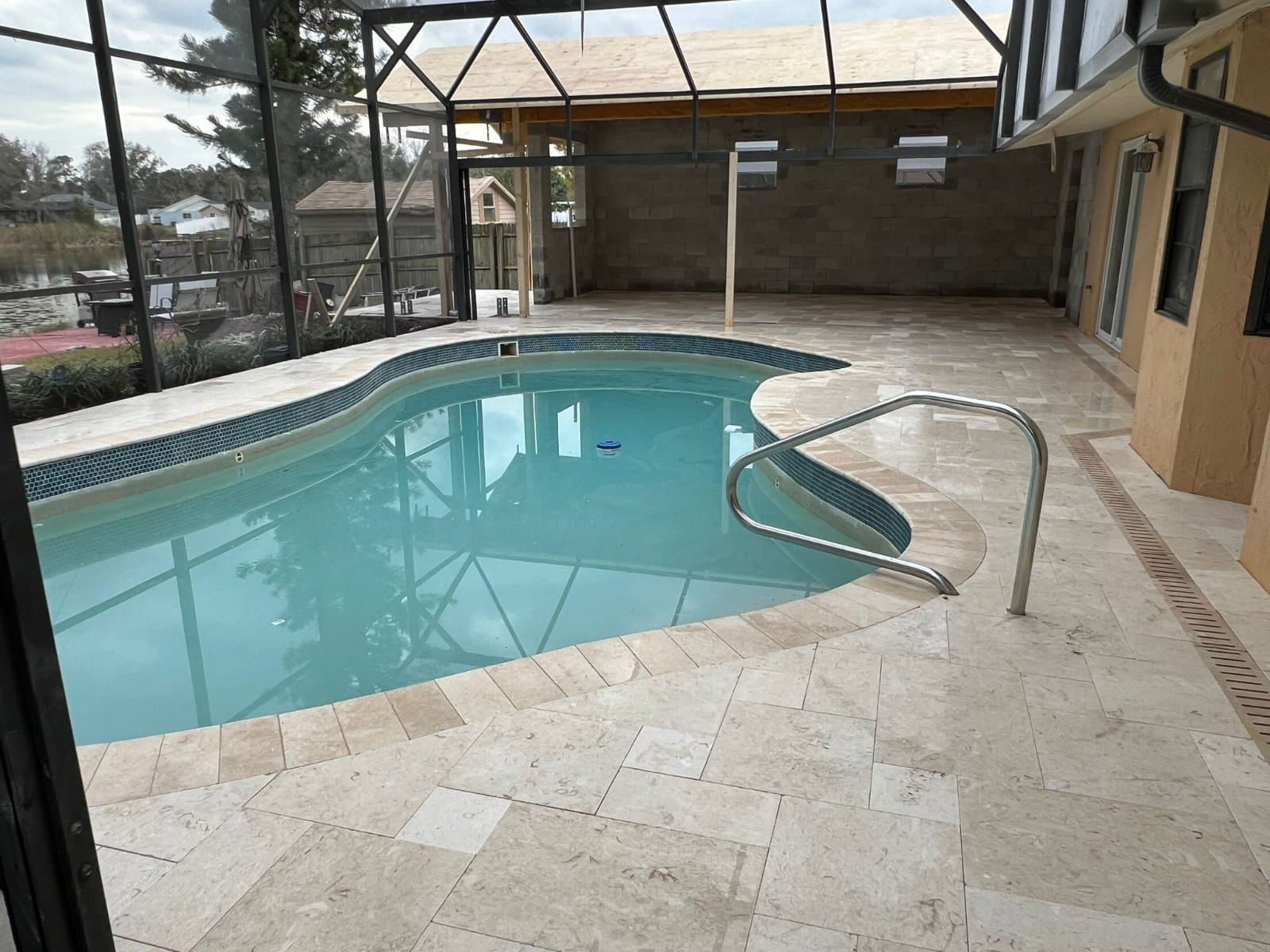
Why a Paver Job in Florida Is Not the Same Job It Is Anywhere Else
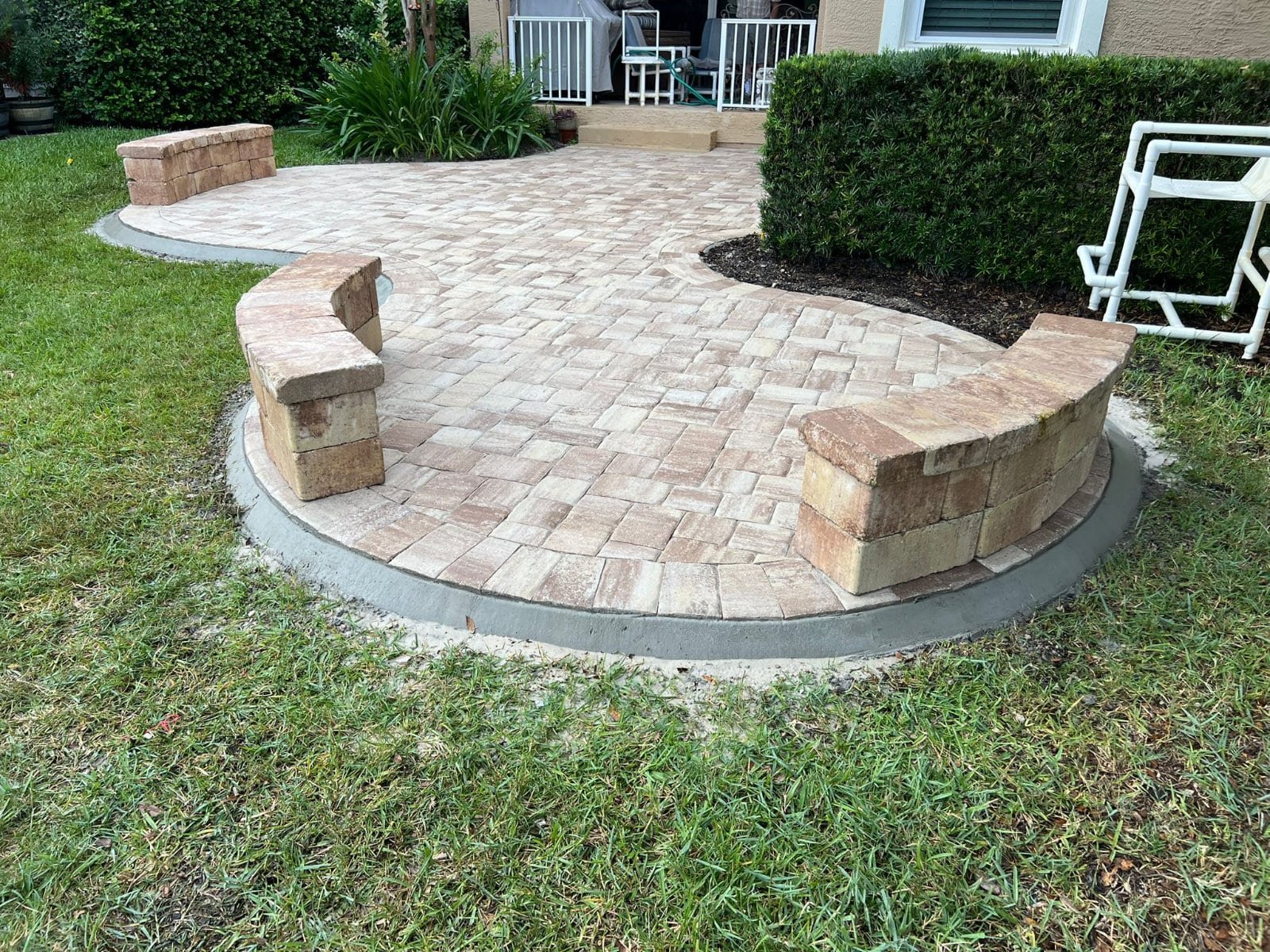
A paver patio is a flexible pavement. There is no slab. The units sit on a compacted base, on a thin bedding layer, and they hold position through friction, joint sand and an edge restraint around the perimeter. None of that is unique to Florida. What is unique is everything under it.
Most of this state is sand. Not sandy loam, sand. Push a probe into a yard in Polk or Orange County and you often find clean fine sand for several feet before anything changes. Sand drains fast, which helps, and it moves when it is wet and loaded, which does not. Add a water table that sits within a few feet of grade in many neighborhoods through the summer, and add a rainy season that delivers much of the year's rain in a concentrated stretch of heavy storms, and the real design problem shows up: the surface has to shed water, the base has to stay locked, and the whole assembly has to survive saturation without pumping fines out of the joints.
This is also why pavers win so many Florida projects against poured concrete. Concrete cracks when the ground beneath it moves, and across the karst limestone that underlies much of the peninsula, the ground moves. A paver field flexes with it. When a section settles, you lift the units, correct the base and reset the same pavers. A slab in that condition gets saw cut and patched, and the patch never matches the original pour.
The tradeoff is workmanship. A slab can hide a mediocre base for years. Pavers cannot. Every shortcut in excavation, compaction or edge restraint shows up as a dip, a lip or a spreading joint within two rainy seasons. When homeowners compare paver contractors in Florida, most of what separates one from another is invisible on the day the truck pulls away.
The Base Decides Everything: Excavation, Compaction and Drainage
Ask a Florida paver company how they build the base and you learn most of what you need to know. Three things matter: how deep they dig, how they compact, and where the water goes.
How deep the excavation goes
Depth follows load. Industry practice puts foot traffic areas such as patios and walkways on a shallower compacted base than driveways, which carry vehicle weight and need a noticeably thicker section. A crew that digs the same depth for a pool deck and a driveway is not designing, it is just digging. On soft or organic subgrade, that soft material has to come out entirely rather than get compacted in place. Muck does not densify. It just waits.
Compaction in sand
Base material in Florida is usually crushed limerock or crushed concrete rather than the granite aggregates common further north. It has to go in lifts, not one deep dump, and each lift gets compacted at the right moisture content. Too dry and the fines will not lock. Too wet and the plate rides on water. On weak subgrade, a woven geotextile between soil and base keeps the base stone from slowly disappearing into the sand, which is a quiet, permanent way for a driveway to lose its structure.
Where the water actually goes
Florida yards are flat, so slope is deliberate, not natural. The surface needs a consistent fall away from the house, and it has to discharge somewhere legal. Pushing runoff onto a neighbor's lot or into a platted drainage easement causes problems with the county long after the job is finished. On tight lots the answer is often a catch basin, a channel drain at a garage apron, or a French drain tied into an existing outfall. Permeable paver systems are a real option in some jurisdictions, since open graded joints let rain move into the base instead of across it. That choice affects impervious surface calculations, so it belongs in the plan before the permit, not after.
Permits, Licensing and HOA Review in Florida
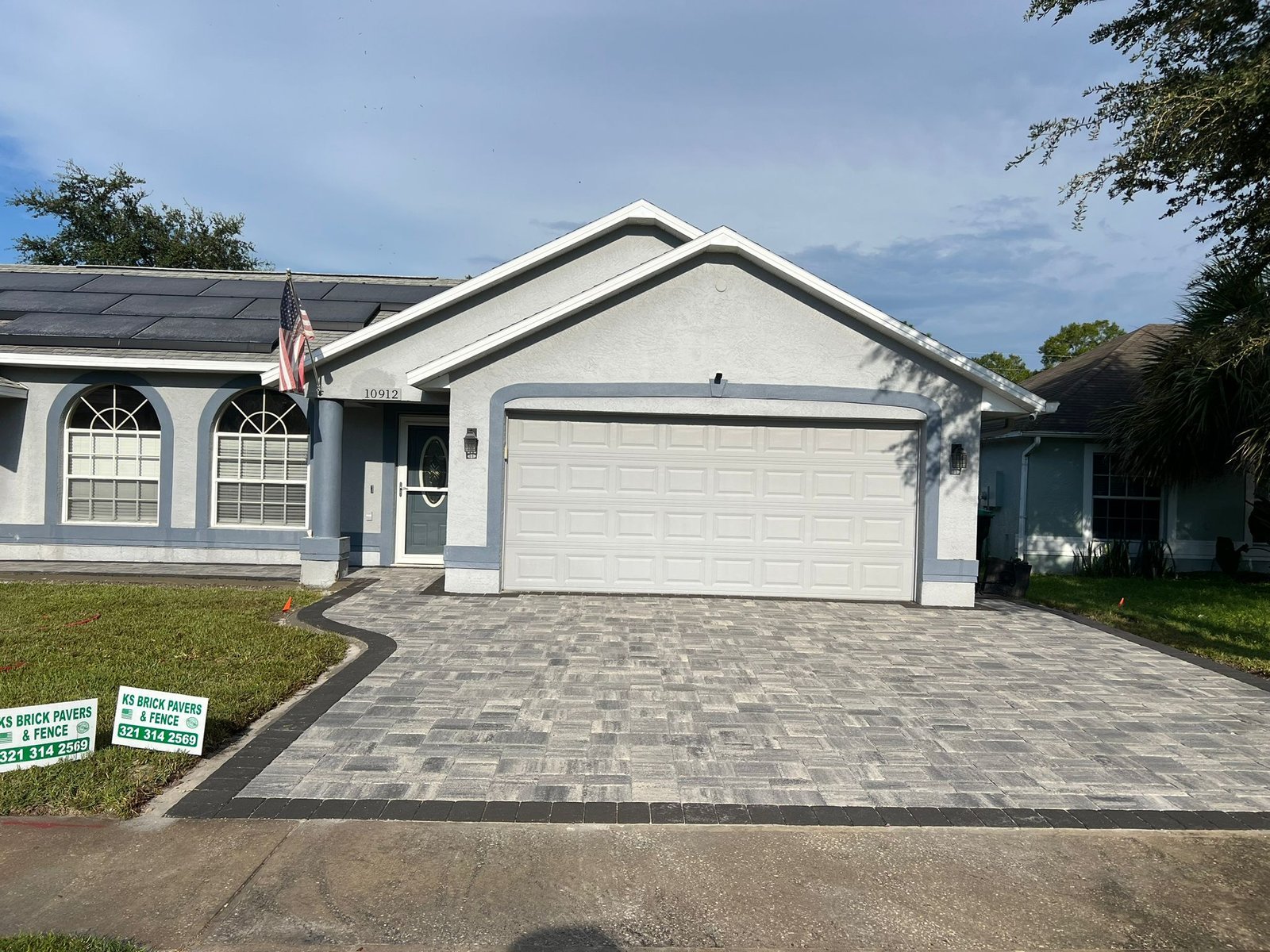
Florida works from a statewide building code, and local jurisdictions layer their own amendments on top. Practically, that means the rules your plans get reviewed under depend on which county or city pulls the permit and on what is in force at the time, so the current local requirements are worth confirming with the building department before the design is final. The principle stays constant: hardscape and fence work is permitted locally, by the city or county building department, and the reviewer wants to see a site plan or survey with setbacks, easements, utilities and drainage marked.
Contractor licensing sits with the state Department of Business and Professional Regulation, which issues certified and registered contractor credentials, while many counties and cities also require a local competency license for specialty trades. Before signing anything, ask for the license number, current general liability coverage and workers compensation status, and confirm them yourself rather than accepting a photo of a card. This is the cheapest due diligence in the entire project.
Then there is the layer that surprises people moving here from other states. A very large share of Florida homes sit inside an HOA, a CDD community, or both. Architectural review typically wants the paver style, color, pattern and layout submitted and approved before the permit is filed, and some communities restrict the amount of hard surface you may add or dictate which products are allowed at the driveway apron. Skipping that step can mean tearing out finished work.
KS Solutions handles every permit and HOA submittal as part of the quote on brick paver installation. On fence installation, our team handles the entire process, including submitting plans, paying permit fees and scheduling inspections. That matters more than it sounds. Permit and review timelines vary widely by jurisdiction across Florida, and a homeowner chasing an architectural committee and a plans examiner at the same time is the most common reason a project sits still.
Wind Zones, Pool Barriers and What They Mean for Fences
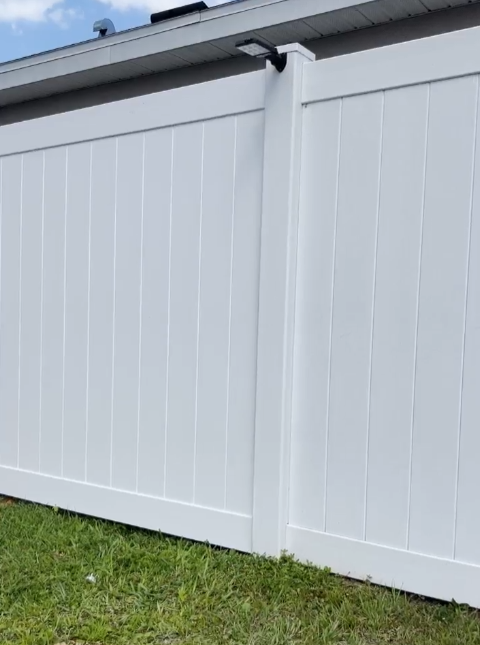
Wind is where Florida rules get specific, and it is the piece most out of state comparisons miss. The building code assigns design wind speeds by location, and they are not uniform across the state. Inland Central Florida sits in a lower band than the coasts, coastal counties step up, and Miami-Dade and Broward form the High Velocity Hurricane Zone with its own product approval requirements. A fence detail that passes review in one county can be rejected in another for the same house plan.
For fences this drives post depth, footing diameter, post spacing and panel selection. Solid privacy panels catch far more wind than picket or aluminum sections, so they usually need deeper footings and tighter spacing. Many Florida jurisdictions want engineered details or a product approval number for taller solid fences. That is the reason a quote based on a per foot price alone tells you very little here. The footing schedule is the price.
Pool barriers are a state law question, not a preference
Florida's Residential Swimming Pool Safety Act sets barrier requirements for residential pools. What the barrier itself, the gate and the latch hardware have to do is spelled out in that statute and enforced by your local building department, so get the requirement that applies to your address in writing from the plans examiner before hardware is ordered, and have the fence quoted to meet it. If your project combines a new pool deck with a new fence, the barrier requirement drives the fence layout and gate hardware, and the inspection will check it. Design the two together rather than treating the fence as a later phase, because moving a gate line after the deck is set is an expensive correction.
Material choice follows climate as much as code. Wood in Florida humidity faces rot and termite pressure. Near the coast, salt air corrodes fasteners and untreated metal, which is why powder coated aluminum shows up so often within a few miles of the water. Vinyl handles moisture well and needs adequate post reinforcement to handle wind loading.
(321) 353-7445Get Immediate Service
Florida Is Not One Market: What Changes From Region to Region
Searching for a paver contractor in Florida turns up companies working under genuinely different conditions. Knowing which conditions apply to your address changes what you should be asking for.
- Central Florida. Inland, lower design wind speeds than the coasts, deep sand, and karst limestone geology that produces sinkhole activity in parts of the region. Afternoon thunderstorms are a routine feature of the wet season, so the schedule has to absorb lost days. Drainage design and base compaction carry most of the risk here.
- Coastal counties on both sides. Higher design wind speeds, salt exposure, and more corrosion sensitive hardware. Fence and gate materials matter more, and coastal construction control lines can add review steps close to the beach.
- South Florida. The High Velocity Hurricane Zone in Miami-Dade and Broward brings its own product approval and testing regime, plus a much shallower rock line in some areas that changes how excavation is priced.
- North Florida and the Panhandle. Real freeze events, clay in the soil profile in places, and a different seasonal rain pattern. Base moisture behaves differently than it does on the peninsula.
Two things are statewide. Storm season is a scheduling reality every year, which compresses the window for outdoor work and puts a premium on finishing site drainage before the heaviest weather arrives. Check the current season dates through the National Hurricane Center rather than assuming, and work the permit timeline backward from there. And the state's water management districts regulate stormwater by region, so how much impervious surface you can add, and whether a permeable system helps your numbers, depends on which district and which local code you fall under.
The practical takeaway: a paver company in Florida that works one region well is usually the right answer for that region. Ours is Central Florida, and everything below reflects how projects run here.
What Actually Moves the Price of a Paver Project
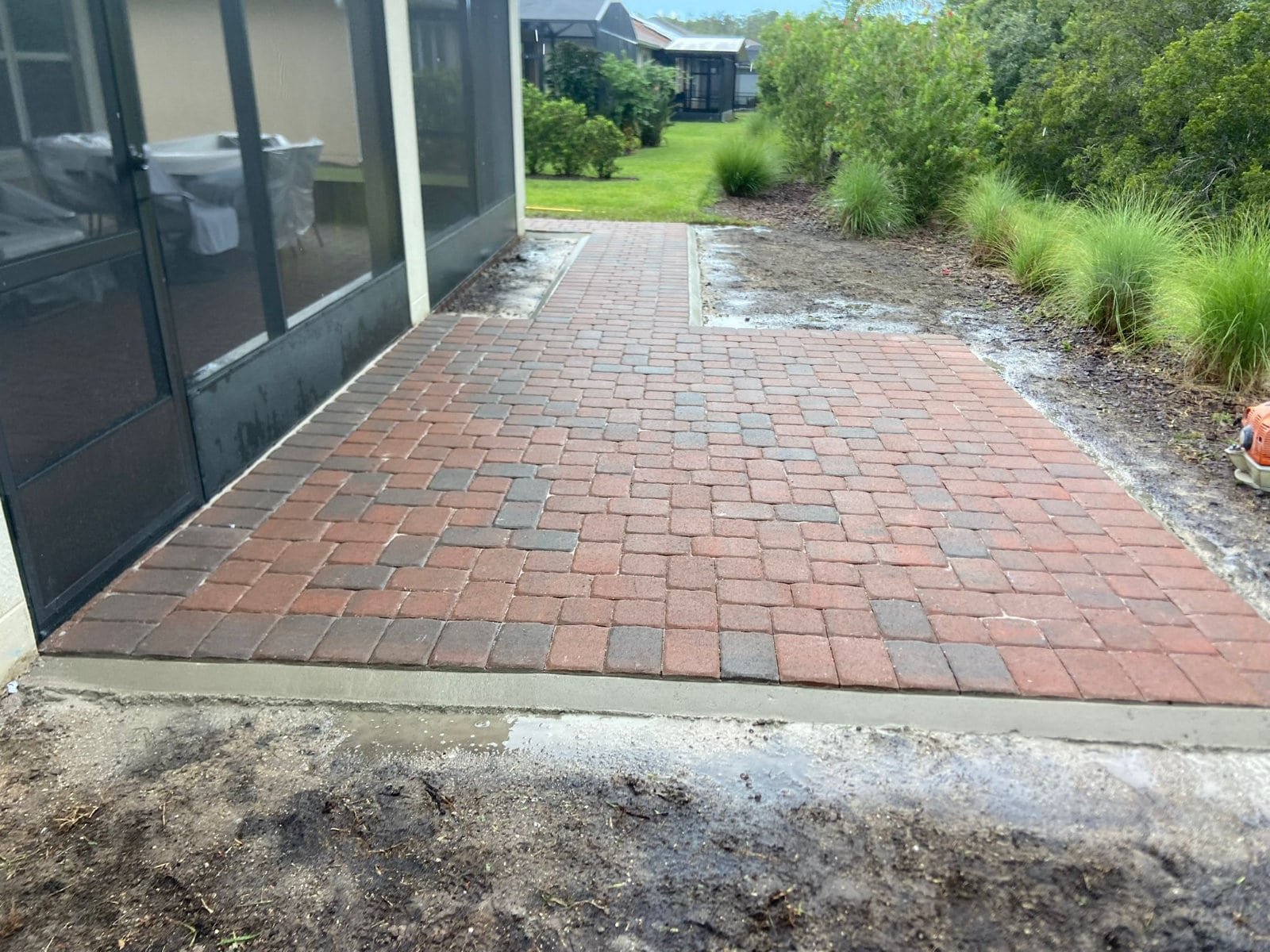
Homeowners often expect price to track square footage. It contributes, but four other variables usually swing the number more.
Access and haul off
Every paver project generates spoil. Excavating a driveway removes cubic yards of sand that has to leave the property. A wide side yard that a skid steer can drive through is a very different job than a narrow gated side yard where crews wheelbarrow material past a pool cage. Access is often the single largest unspoken cost difference between two identical looking patios.
Load class
Driveways and any area a vehicle will touch need a deeper base and typically a thicker paver. Extending a patio is not the same construction as extending a driveway, even when the visible surface is the same product.
Demolition and what is under the old surface
Tearing out an existing slab, apron or deck adds labor and disposal. It also reveals the actual subgrade, which is why a responsible contractor writes into the proposal what happens if unsuitable material shows up below the removal.
Pattern, cuts and detail work
A running bond field with straight edges cuts fast. Herringbone at forty five degrees, curved borders, circle kits, soldier course perimeters, steps, seat walls and column caps all add cutting time and waste factor. Elevation changes are the expensive version of this: retaining walls, steps and raised decks bring engineering, drainage behind the wall, and far more labor than the same square footage laid flat.
Site preparation you may not have budgeted
Irrigation lines almost always run through the work area and have to be cut, capped and rerouted. Tree roots near the slab edge may require rerouting the design. Sod repair around the finished perimeter is standard. These are small line items individually and meaningful together, and they are the ones most often missing from an unusually low bid.
How Paver Jobs Fail in Florida, and What to Ask Before You Sign
Failures here are predictable. Almost all of them trace back to water or to the perimeter.
- Edge spread. The outer courses drift away from the field and joints open. Cause is usually an edge restraint spiked into sand rather than into compacted base, or no restraint at all where the pavers meet turf.
- Joint sand washout. Heavy rain scours joints, then the units start to rock. Polymeric sand handles this better than plain sand when it is installed dry, swept fully into the joints and activated correctly. Installed wrong, it hazes the surface and fails anyway.
- Localized settlement. A dip forms over a backfilled utility trench, an old stump hole, or a soft pocket that was never excavated. On a flexible pavement this is repairable, which is exactly the advantage over a slab.
- Standing water. Slope was too flat or ran the wrong way. In Florida this shows up on the first real storm, not eventually.
- Efflorescence. A white haze on new pavers as calcium migrates to the surface. It is normal on new concrete pavers, not a defect, and it weathers off over time or comes off with the right cleaner. It should be explained before installation, not argued about after.
- Organic staining. Sun, humidity and shade produce algae and mildew on hardscape here faster than in drier climates, especially under oaks.
Questions worth asking any paver contractor in Florida before you sign: How deep is the base for this specific area, and how does that differ between the patio and the driveway? What base material, and in how many compacted lifts? What edge restraint, fastened into what? What is the slope and where does the water discharge? Who pulls the permit and who submits to the HOA? What happens, in writing, if you find unsuitable soil during excavation? A contractor who answers all six directly is telling you how they build.
Pavers, Fence, Turf and Maintenance: How the Four Fit Together
Most of the outdoor projects we build in Florida involve more than one trade, and sequencing them together avoids rework.
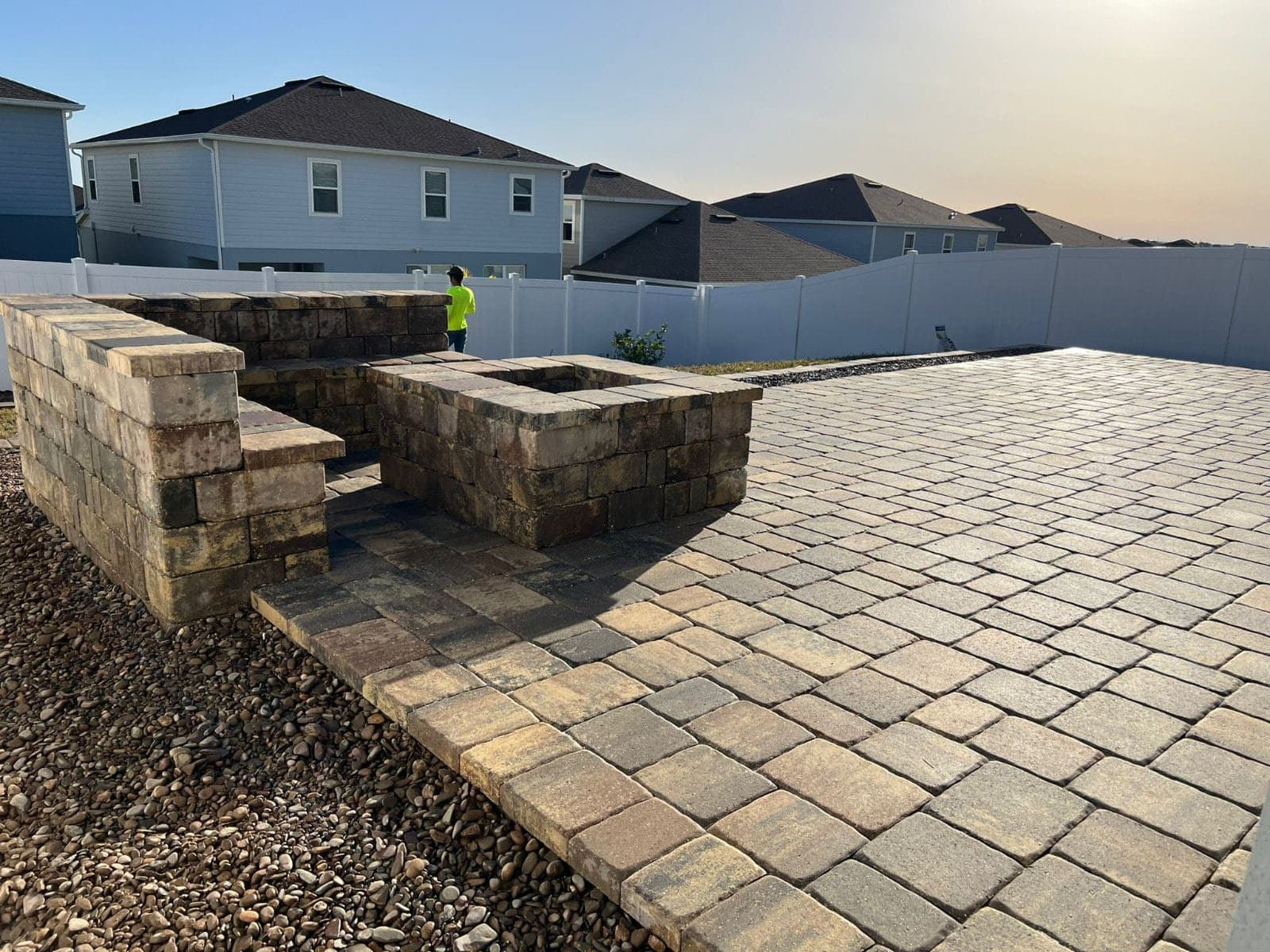
Brick paver installation covers patios, driveways, pool decks, walkways, outdoor kitchens, retaining walls and elevated paver decks. Pool decks and driveways are the two that most often carry a code or HOA requirement alongside the design.
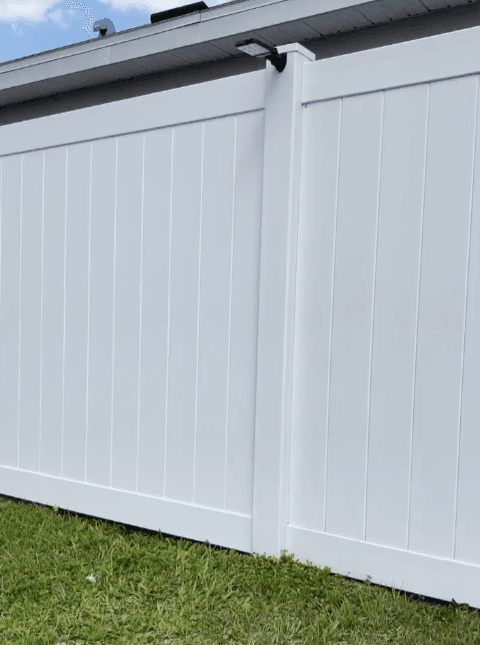
Fence installation covers privacy, decorative and security fencing plus gate integration. In Florida this is where wind loading, post depth and pool barrier compliance all land at once, so it is worth planning at the same time as the hardscape rather than after.
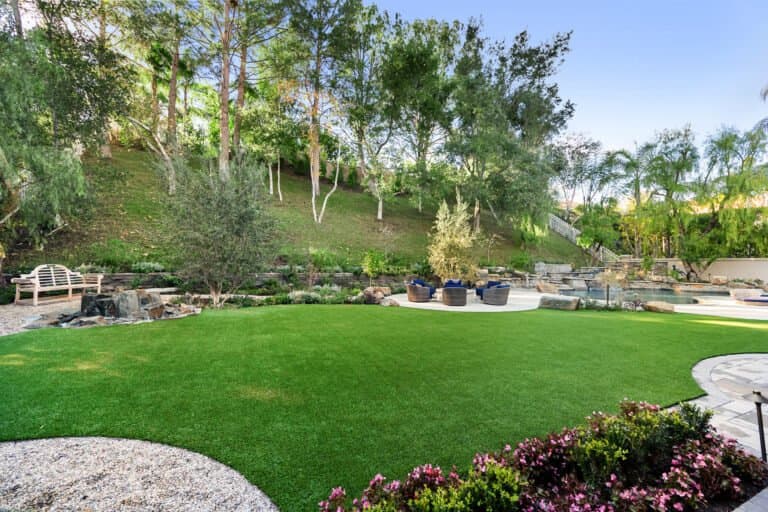
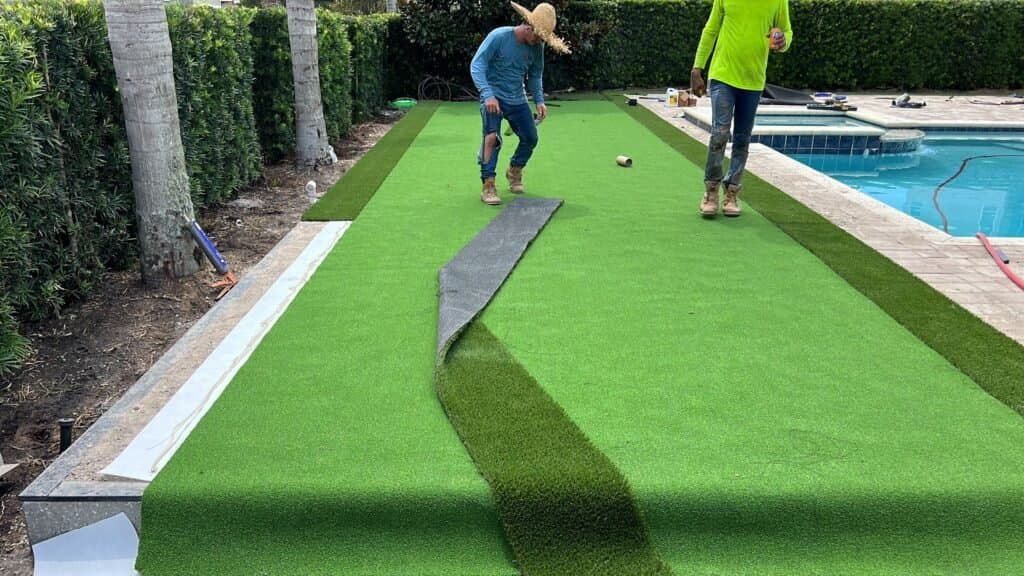
Artificial turf installation covers residential and commercial areas, pet zones, playgrounds and sports surfaces. Turf and pavers share the same underlying requirement: a properly compacted, well drained base. Shaded side yards where St. Augustine grass never fills in, and dog runs that turn to mud every rainy season, are the two most common Florida cases. The transition detail where turf meets a paver edge is worth getting right, since that is where both systems either hold or fail.
Maintenance plans cover the ongoing side: cleaning, sealing when appropriate, joint sand replenishment, fence upkeep and turf grooming. Florida sun, humidity and rain work on outdoor surfaces year round. Joint sand is consumable, not permanent, and topping it up on a schedule is the cheapest way to keep a paver field tight.
Where KS Solutions Works in Florida
We do not claim the whole state. Our crews work Central Florida, and we build there because we know how the ground, the rain and the local review process behave in these counties.
- Orange County, including Orlando, Winter Park, Winter Garden, Ocoee and Apopka
- Polk County, including Lakeland, Winter Haven, Davenport, Haines City and Auburndale
- Osceola County, including Kissimmee, St. Cloud and Celebration
- Seminole County, including Sanford, Lake Mary, Oviedo and Winter Springs
- Volusia County, including Deltona, DeLand, Ormond Beach and Port Orange
- Lake County, including Clermont
Within that footprint we handle the permit and the HOA submittal as part of the paver quote, and on fence work we submit the plans, pay the permit fees and schedule the inspections. If your property sits inside these counties, the fastest way to start is a site visit, because the answers that matter most on a Florida paver project, subgrade condition, existing drainage, access for equipment and setback lines, cannot be read off a satellite image.