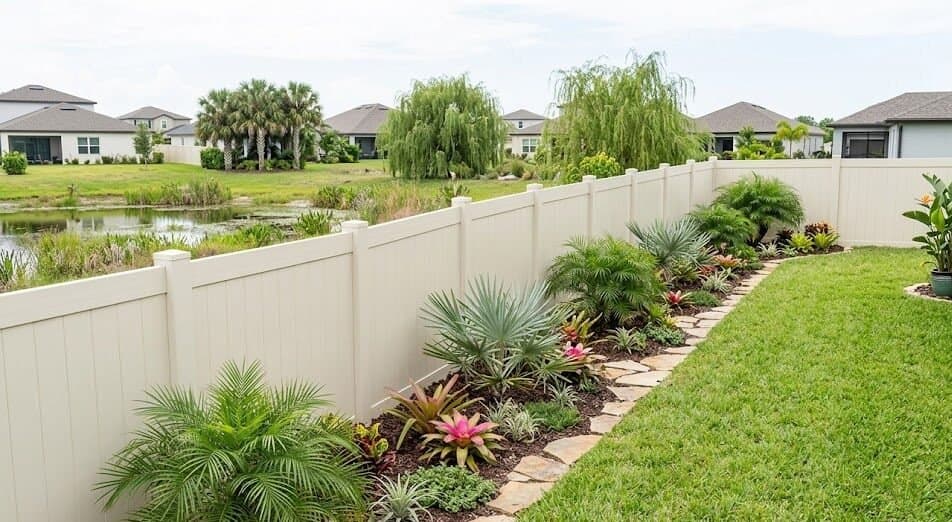
The Short Answer: Late Fall Through Early Spring
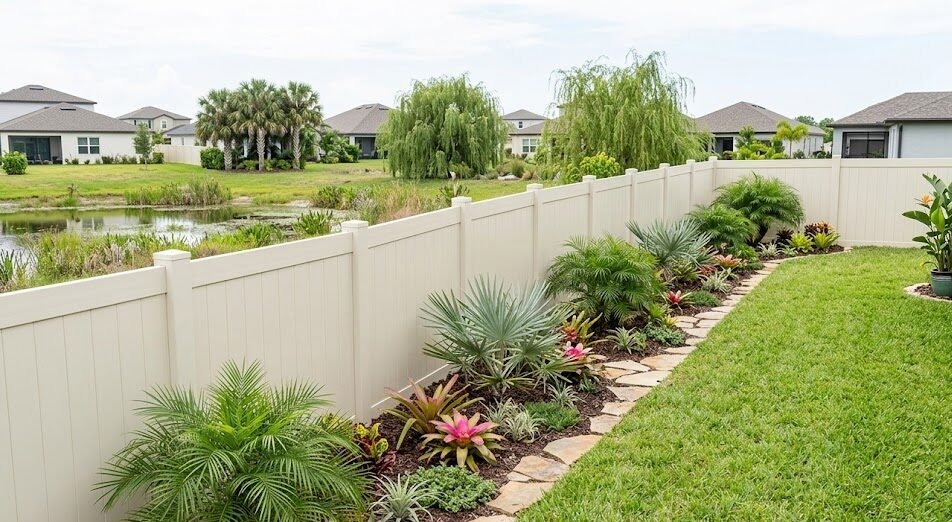
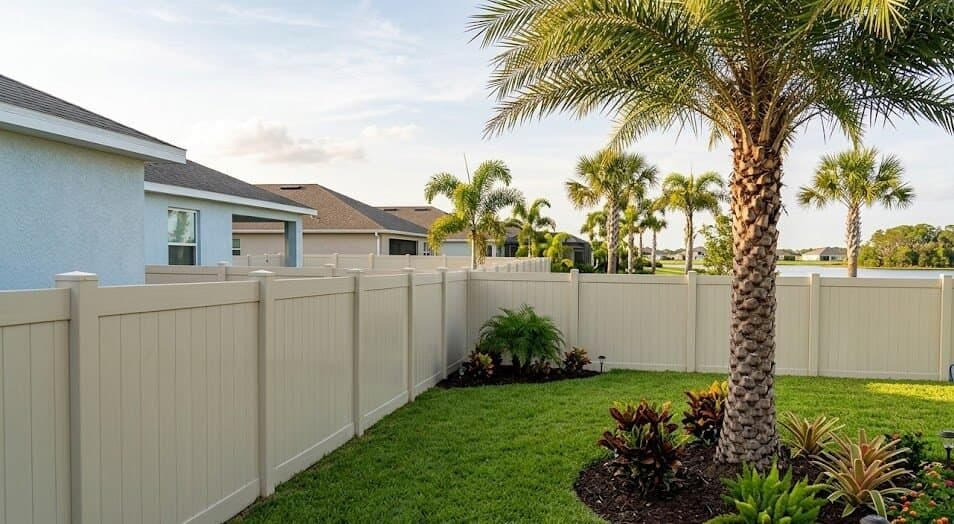
In Central Florida, the best time of year to install a fence is the dry season, roughly late October through April, with November through February usually the easiest stretch of all. The ground is firmer, afternoon storms are rare, crews lose fewer days to weather and the fence is finished well before the next hurricane season. If you can plan ahead, that window gives you the smoothest install and the most choice of dates.
That does not mean a summer fence is a bad fence. Fences go in every month of the year in Florida, and a good installer builds around the weather. But the season changes how the job runs: how often the schedule slips, how wet the post holes are, how quickly concrete footings can take load and how much pressure there is to finish before a storm. Knowing that helps you pick a date that fits your reason for wanting the fence in the first place.
This guide explains what Florida weather actually does to a fence project, walks through the year month by month and shows how permits, HOA approval and utility locates fit into the calendar so the fence goes in when you want it.
What Florida Rain Does to a Fence Install
Florida has two seasons that matter for outdoor work: wet and dry. The National Weather Service office in Melbourne, which covers much of East Central Florida, puts the median start of the wet season around May 28 and the start of the dry season around October 17. A 22-year study of a Melbourne rain gauge by the same office found that the wet season delivered about 64 percent of the year's rain in about 38 percent of the calendar. On the Gulf side, Tampa saw 82 percent of its rain between June 1 and October 15 in 2024, its wettest year on record.
For a fence, that rain shows up in four practical ways:
- Post holes: saturated sandy soil can slump into a freshly dug hole, and water sitting in the hole has to be dealt with before concrete goes in. It slows every post.
- Concrete footings: concrete still sets in wet weather, but heavy rain on fresh footings can wash out the top surface or leave a post out of plumb if it is disturbed. Installers give footings more time before hanging heavy gates.
- Lost days: afternoon thunderstorms with lightning stop work. A three-day job can stretch across a week or more in July.
- Access: soft lawns and side yards make it harder to bring in material and equipment without leaving ruts, especially on lots with septic fields or irrigation lines.
None of these make a summer fence weaker when the work is done right. They make the schedule less predictable, and they reward an installer who does not rush footings to stay on schedule.
Hurricane Season and the Timing of Your Fence
The Atlantic hurricane season runs from June 1 through November 30, and in Central Florida the most active stretch is usually late August through October. That matters for a fence in two ways.
First, a fence installed in early summer has the whole season ahead of it before the footings and soil have had time to settle. A fence built to the manufacturer details holds fine, but a fence finished in January has months of normal weather behind it before its first storm. Second, demand spikes after storms. When a hurricane flattens fences across a neighborhood, repair and replacement work floods every installer in the region, and new projects wait. If a storm hits while your project is on the calendar, expect delays measured in weeks.
If wind resistance is part of why you are building, our guide to which fence materials hold in a Florida hurricane explains the posts, footings and reinforcement that decide how a fence performs.
Month by Month: Installing a Fence in Central Florida
- November to February: the best conditions of the year. Dry, cooler weather, firm soil and few lost days. The main caveat is the holidays, which shorten the working calendar in late December, and occasional cold fronts with a day or two of rain.
- March to April: still dry and comfortable, but this is when demand climbs as homeowners start spring yard projects and pool season approaches. Book early and expect longer lead times.
- May: a transition month. Early May is usually dry; by late May the afternoon storm pattern often begins. Good for projects that can start early in the month.
- June to September: the heart of the wet season and the start of hurricane season. Installs still happen, but plan for weather days, softer ground and more schedule flexibility. Early morning starts help crews beat the afternoon storms and the heat.
- October: rain usually tapers through the month as the dry season starts, but peak hurricane risk lingers. A good month to schedule if your permits are already approved.
If you need a fence by a specific date, such as for a new pool, a new puppy or a move-in, work backward from that date and leave room for permits, HOA review and weather. That matters more than picking the perfect month.
(321) 353-7445Get Immediate Service
The Paperwork Calendar: Permits, HOA Approval and 811
Weather is only half of the timing. The other half is paperwork, and it can take longer than the installation itself.
Permits. Florida HB 803, effective July 1, 2026, requires local governments to exempt single-family homeowners and their contractors from a building permit for work valued under $7,500, but the exemption has limits, and many counties still review fences for setbacks, easements, corner-lot sight lines and flood zones. Where a permit applies, review can take days to weeks, and permits expire if work does not start. Our Florida fence permit guide covers how the rules work in Orange, Osceola and Polk counties.
HOA approval. If you live in a community with an architectural review board, you usually need written approval before the fence goes in. Review cycles often follow the board's meeting schedule, so a monthly board can add four to six weeks. Our guide to HOA fence rules in Florida explains what boards can and cannot require.
Utility locates. Setting fence posts is digging, and Florida law requires a call to Sunshine 811 before you dig. Sunshine 811 asks for at least two full business days of notice, not counting weekends and holidays, before digging starts. Once lines are marked, Florida uses a tolerance zone of 24 inches on each side of a marked facility, so post locations near a marked line need care or hand digging.
Pool barriers. If the fence is part of a pool barrier, it has to meet the pool barrier rules regardless of season, and the pool usually cannot pass final inspection without it. Plan the fence into the pool schedule, not after it.
Does Fence Installation Cost Less in a Certain Season?
Material prices for vinyl, aluminum, wood and chain link do not follow a Florida season. They move with supply costs over the year, not with the weather. What changes by season is demand. In spring and right after a storm, installers are busiest and lead times stretch. In the late fall and the middle of summer, schedules are usually more open, which can mean faster starts and more flexibility on dates.
Be cautious with any promise of a big seasonal discount. The real saving from good timing is usually time and fewer delays, not a lower price per foot. For current price ranges by material, see our Florida fence cost guide.
Matching the Season to Your Fence Material
- Wood: pressure-treated pine can be installed any time, but freshly treated lumber is often wet when it arrives. Staining or sealing is best done after the wood dries, which is easier to schedule in the dry season.
- Vinyl: installs well year round. In peak summer heat, vinyl rails expand slightly, and good installers allow for that in the rail and post fit.
- Aluminum: the least weather-sensitive to install, since panels are pre-finished. A good choice when the schedule has to land in summer, such as for a pool barrier.
- Chain link: fast to install and tolerant of weather, with posts set in concrete like any other fence.
How to Plan Your Fence Around the Florida Calendar
Here is the sequence that keeps a fence on schedule in Central Florida:
- Eight to twelve weeks out: get your survey, confirm property lines and easements, and ask for a written quote with post spacing, footing depth and gate hardware.
- Six to ten weeks out: submit HOA plans if you have an HOA, and confirm whether your county or city needs a permit for your fence.
- Two to four weeks out: lock the install date, confirm the permit is issued if one is needed and clear the fence line of plants and debris.
- One week out: your installer calls Sunshine 811, and you mark irrigation lines, invisible pet fences and anything else private that 811 will not locate.
- Install day: keep pets inside, leave gates and side yards accessible and walk the line with the crew lead before posts go in.
Schedule Your Fence With KS Solutions
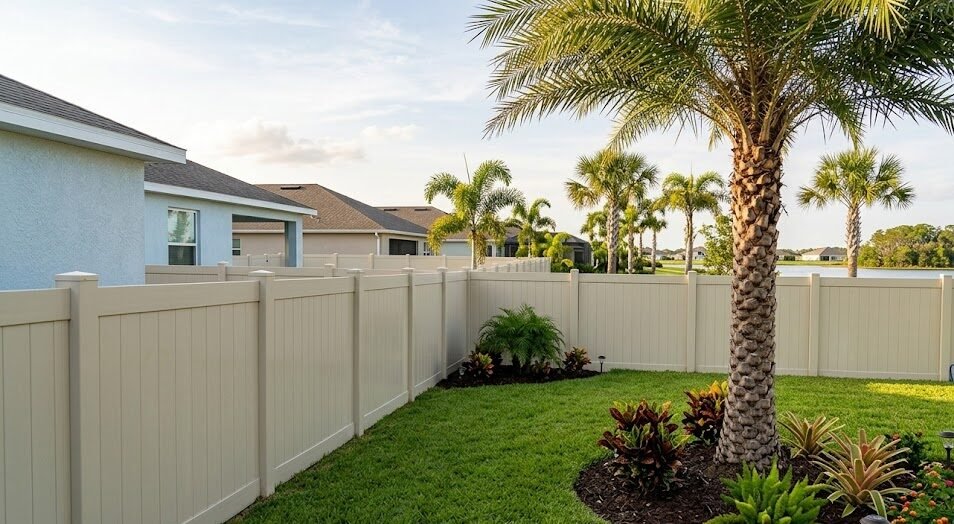
KS Solutions installs vinyl, aluminum, wood and chain link fences across Central Florida all year, and we plan each project around the season, the permit timeline and your deadline. Our fence installation service handles the layout, the 811 locate request and the footing details, and we will tell you honestly whether your target date is realistic.
We build throughout the region, including fence installation in Orlando, fence installation in Lakeland and across Osceola County. If you are planning a fence for the dry season, now is the time to get on the calendar.