The Best Pool Fence Is the One That Passes Inspection and Still Fits Your Yard in Ten Years
Every Florida pool fence has two jobs. The first is non-negotiable: keep a small child away from the water, to the numbers in the Florida Statutes and the Florida Building Code. The second is everything else: how the fence looks from the lanai, how it holds up to salt air, sprinklers and summer storms, what it does to the view you paid for, and what it costs over the years you own the house.
Three materials do almost all of the pool fencing in Central Florida: powder-coated aluminum, removable mesh and glass. All three can pass inspection when they are built right. They are not interchangeable, though, and the best choice depends far more on your family, your yard and your plans than on the price per foot. This guide compares them on safety, cost, durability and looks, and ends with a straight recommendation for the most common situations we see.
If you are still sorting out the code itself, our guide to Florida pool fence requirements covers the 48-inch height, the 2-inch bottom gap, the 4-inch sphere test and the gate rules in detail. This article assumes those numbers and focuses on which material meets them best.
Pool Fence Materials at a Glance
Here is how the three main options compare on installed cost and lifespan in 2026. Prices are typical national and Florida ranges for professional installation and vary with layout, the number of gates, and whether posts go into soil, pavers or concrete.
| Material | Typical installed cost, 2026 | Expected life in Florida | Best for |
|---|---|---|---|
| Powder-coated aluminum | About $30 to $60 per linear foot | 30 years or more with a quality powder coat | Permanent barrier that also works as a perimeter or yard fence |
| Removable mesh | About $15 to $45 per linear foot, including a self-closing gate | Commonly 8 to 12 years for mesh panels, up to about 15 for high-quality mesh | Families with young children who want the fence gone later |
| Semi-frameless glass | About $100 to $150 per linear foot | Decades for the glass, hardware needs care | Views over water and modern pool decks |
| Frameless glass | About $90 to $300 or more per linear foot, often $10,000 to $25,000 per pool | Decades for the glass, spigots and clamps need care | High-end pools where the view is the priority |
Cost ranges come from 2026 pool fence pricing guides and line up with what we see on Central Florida projects. A typical residential pool barrier runs 80 to 150 linear feet, so the material choice can move the total by many thousands of dollars.
Aluminum Pool Fence: The Florida Default for Good Reason
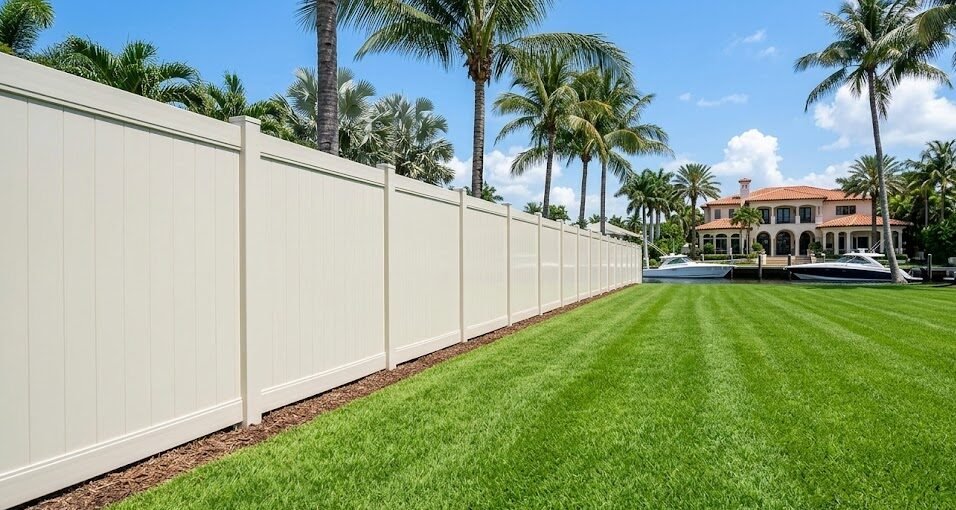
Powder-coated aluminum is the most common pool fence in Central Florida, and it earns that spot. Aluminum does not rust, so it handles sprinklers, pool splash and humid air without the corrosion that eats steel. A quality powder coat holds its color under Florida sun for decades. And aluminum pool panels are made specifically to pass pool code: pickets spaced under the 4-inch sphere rule, horizontal rails on the outside spaced correctly, and heights of 48 inches or more.
Strengths
- Permanent and low maintenance: A rinse with a hose a few times a year is usually all it needs.
- Doubles as a yard fence: An aluminum pool fence can run the property line and the pool barrier at once, so one fence does two jobs.
- See-through: Thin pickets keep the view to the pool open, which matters for supervision as much as for looks.
- Wind and storm performance: Open picket panels let wind pass through instead of catching it like a solid privacy panel.
Watch-outs
- Picket spacing: Standard decorative aluminum is not always pool-rated. Pool-grade panels keep pickets close enough to block a 4-inch sphere, and the rails must sit on the correct side. Ask for pool-code panels in writing.
- Climbability: Horizontal rails less than 45 inches apart must be on the pool side, and nothing climbable can sit outside the fence.
- Cheap powder coat: Thin or poorly applied coating chalks and peels in a few summers. Ask about the coating specification and warranty.
For most Central Florida homes, aluminum is the best pool fence overall. It is the one we install most through our fence installation service, and it is the safest bet when you want to install once and forget about it.
Removable Mesh Pool Fence: The Best Fence for Families With Toddlers
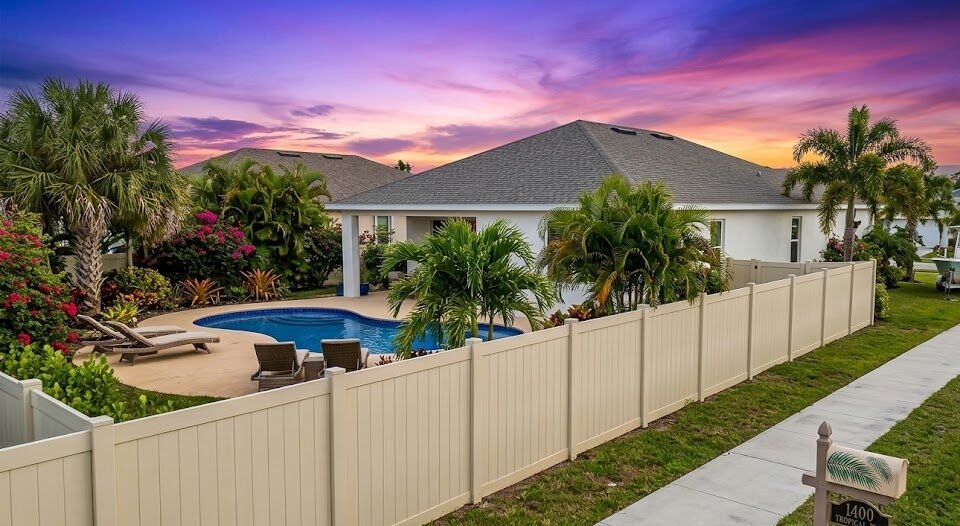
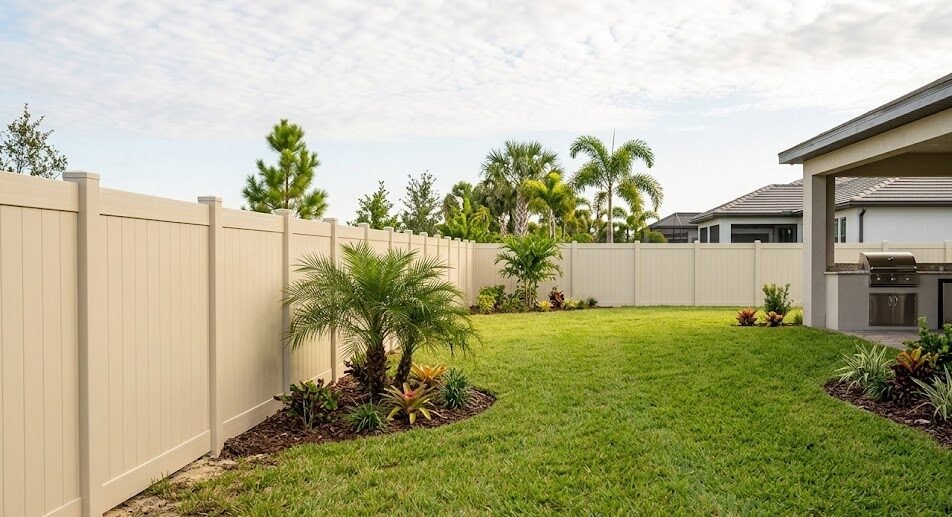
Removable mesh pool fences are made of tightly woven, see-through mesh stretched between poles that drop into sleeves drilled into the pool deck. Under the Florida Building Code, a removable mesh barrier installed to the manufacturer instructions and complying with ASTM F2286 counts as a pool barrier, as long as it meets the height, gap and gate rules.
Strengths
- Hard to climb: The mesh has no footholds, and the tension and flex make it hard for a small child to get over.
- Close to the water: Mesh can run right along the pool deck, so the rest of the yard stays open for play.
- Removable: Panels can come down for a party or when the kids are older, and the deck sleeves sit nearly flush with the surface. They also come down quickly before a hurricane.
- Lower cost: Mesh is usually the least expensive pool-code barrier per foot.
Watch-outs
- Shorter life: Mesh fabric fades and weakens under Florida UV faster than aluminum or glass, and panels usually need replacement long before the poles do.
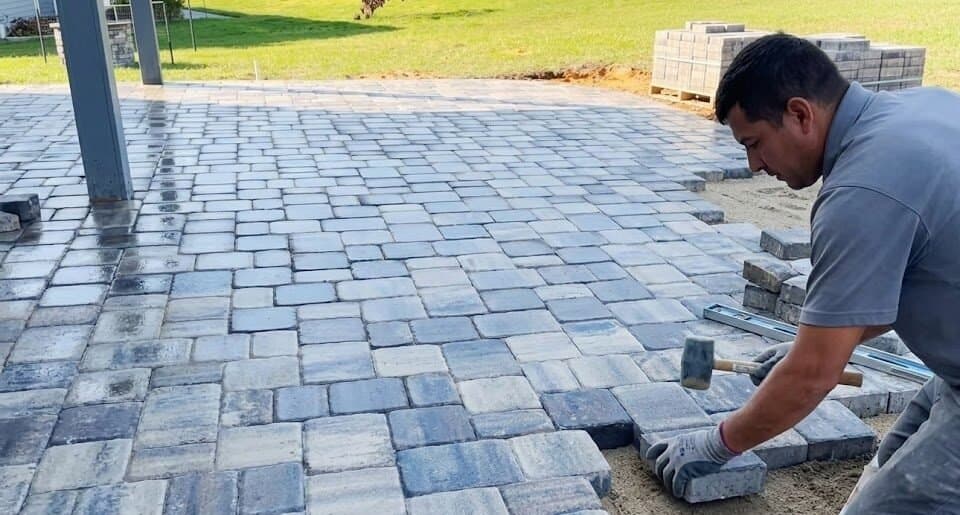
- Deck drilling: Every pole needs a sleeve cored into the deck. On paver decks, sleeves must be set so the pavers do not shift around them.
- Must go back up: A removable fence only protects children when it is installed. If it stays down after a party, it is not a barrier.
- Not for above-ground pools: Mesh barriers may not be installed on top of above-ground pools under Florida code.
Mesh is the best pool fence for families with toddlers who expect to take the fence down in a few years, and for homes where a permanent fence would block a view they love.
(321) 353-7445Get Immediate Service
Glass Pool Fence: Best for Views, Worst for the Budget
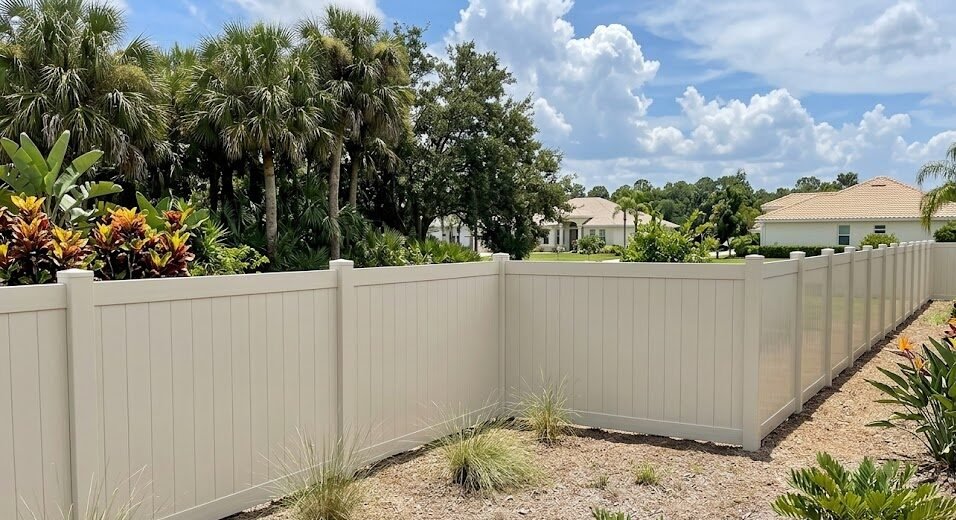
Glass pool fences use thick tempered safety glass panels held by spigots, posts or base channels. Frameless glass has no visible posts. Semi-frameless uses slim aluminum posts between panels and costs less. On a lakefront lot in Clermont or Winter Garden, nothing else preserves the view the same way.
Strengths
- Unbroken view: Glass keeps sightlines to the water clear for supervision and for looks.
- Nothing to climb: Smooth glass offers no footholds when panels and gaps are designed correctly.
- Long life: The glass itself lasts decades. The metal hardware is what needs attention.
Watch-outs
- Cost: Glass is often three to five times the cost of aluminum per foot.
- Safety glazing: Glass in fences around pools within 60 inches of the water edge must be safety glazing under the building code, and panel gaps still have to pass the 4-inch sphere test.
- Cleaning: Hard water spots, pool splash and sprinkler overspray show on glass. Expect regular cleaning in Florida.
- Hardware corrosion: Spigots, clamps and hinges need marine-grade stainless or properly coated components, especially near saltwater pools.
- Wind design: Solid panels catch wind. Panels and attachments must be designed for Florida wind loads, and installation must follow the manufacturer and engineering requirements.
What About Vinyl, Wood and Screen Enclosures?
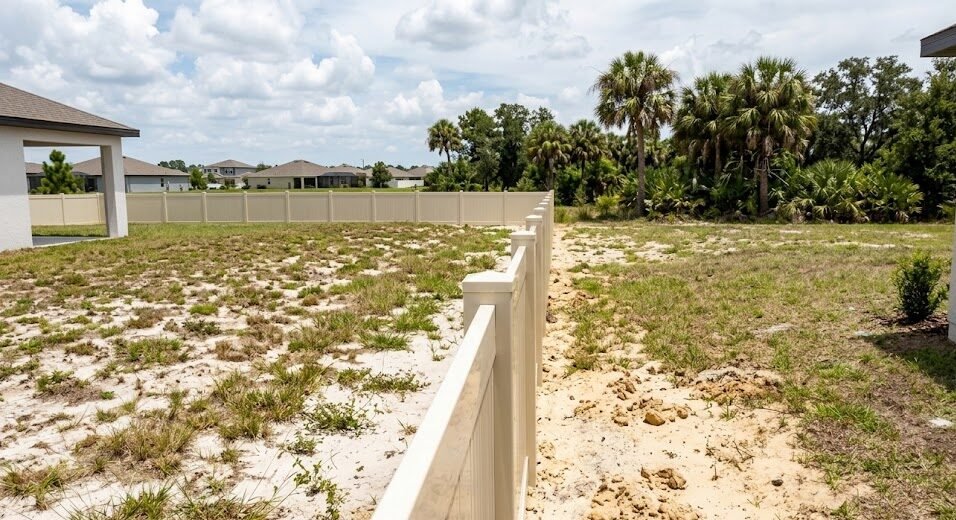
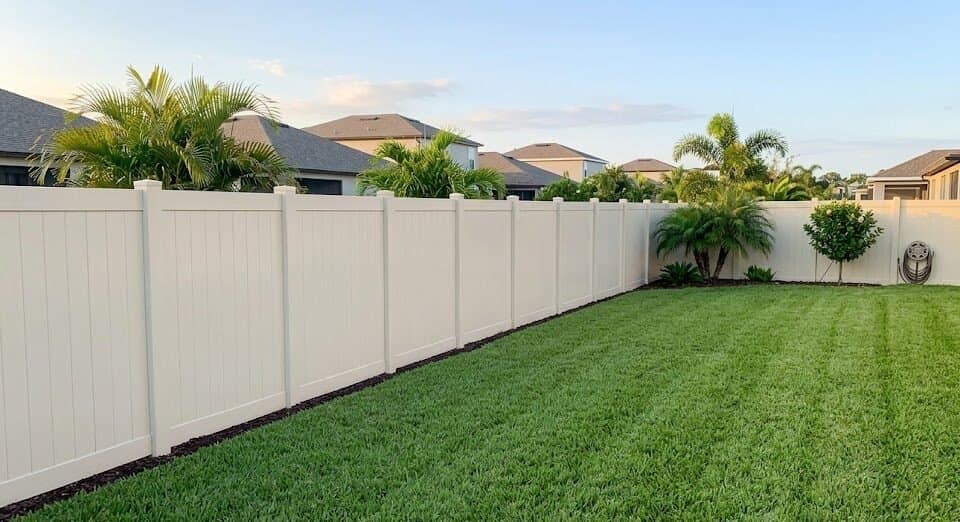
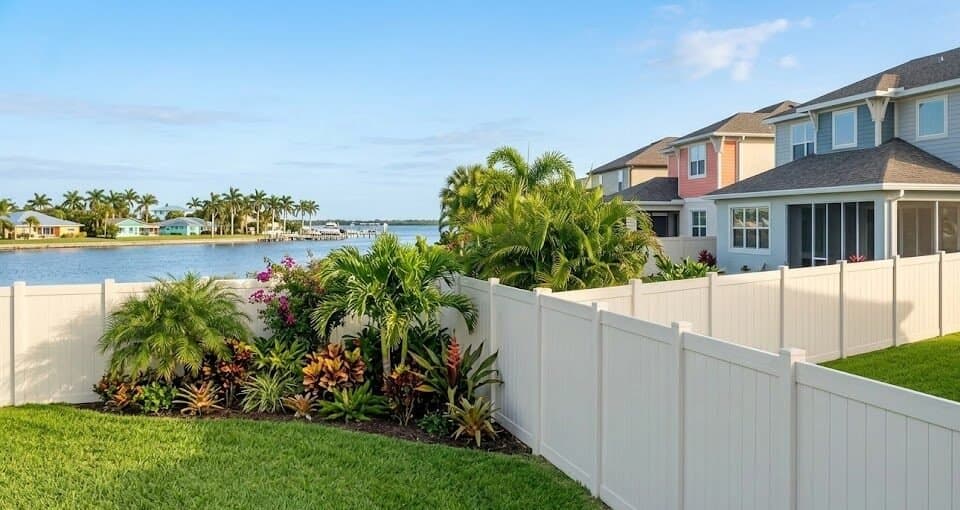
Vinyl and wood privacy fences can serve as pool barriers when they are at least 48 inches tall, have no climbable horizontal rails on the outside and meet every gap rule. Solid privacy fences block the view of the pool from the house, which makes supervision harder, and wood needs ongoing maintenance in Florida humidity. They make the most sense as the outer perimeter fence, with the pool side handled another way. Our Florida fence cost guide by material compares vinyl, wood, aluminum and chain link in detail.
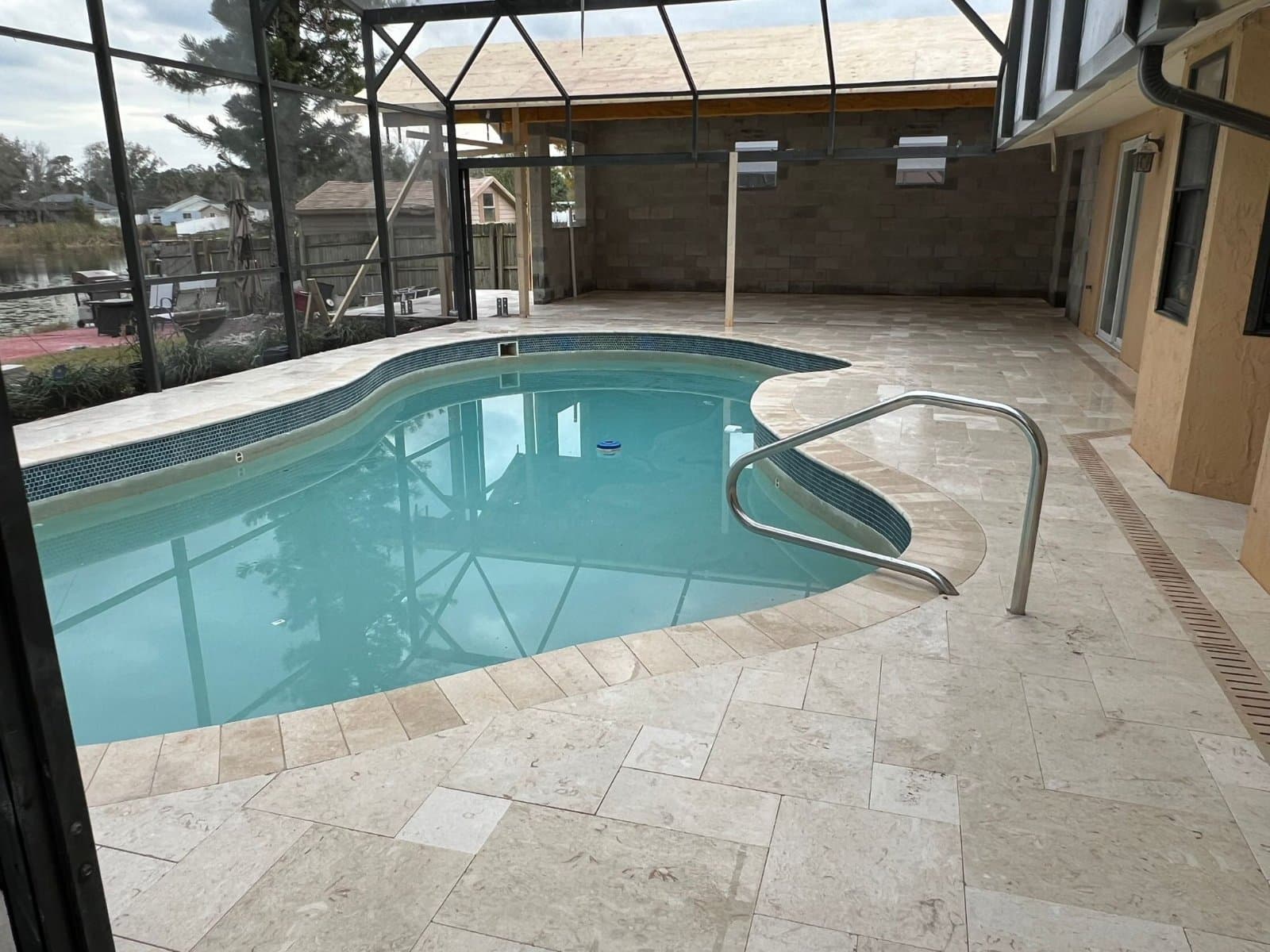
Many Florida pools sit inside a screen enclosure, and a properly built screen enclosure can serve as the barrier when it meets the code, including self-closing, self-latching doors. Screens tear, though, and pet doors cut into screens are a common way a barrier quietly stops working.
Salt Air, Sprinklers and Storms: Durability in Central Florida
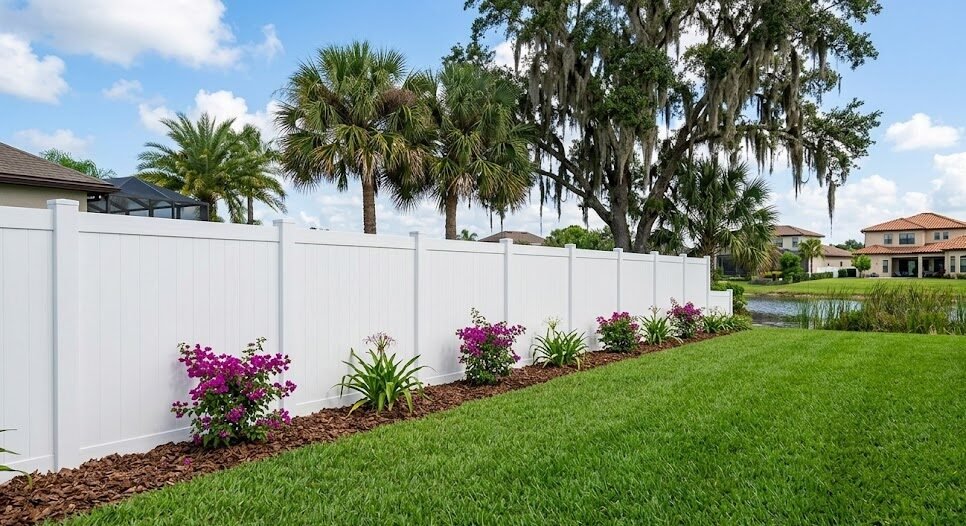
Central Florida is not the beach, but pool fences still live in a harsh environment. Saltwater pool systems put chlorides on the fence with every splash. Reclaimed water irrigation leaves mineral deposits. Summer storms bring wind, and hurricanes bring debris.
- Aluminum: Handles all of this best. Rinse off pool splash and keep sprinkler heads aimed away from the panels.
- Mesh: UV is the main enemy. Store removed panels out of the sun, and plan to replace mesh fabric over time.
- Glass: The glass is fine. Inspect and clean the hardware, especially with a saltwater pool.
- Before a hurricane: Mesh can come down. Aluminum and glass stay up, so check gates, latches and loose posts after every storm, because a gate that no longer self-closes is a failed barrier.
Which Pool Fence Should You Choose?
- Young kids now, open yard later: Removable mesh near the water. Lowest cost, hardest to climb, and you can remove it when the kids are older.
- Install once and forget it: Powder-coated aluminum. Best long-term value and the most flexible layout.
- Lake or golf course view: Glass, or a semi-frameless glass section on the view side with aluminum on the rest to control cost.
- Pool and dog in the same yard: Aluminum with pool-code picket spacing, and a gate that self-closes and self-latches every time.
- Strict HOA: Check the approved styles and colors before you choose. Most Central Florida HOAs approve black aluminum.
Mixing materials is common and often smart. Glass on the side facing the view, aluminum on the sides, and the house wall protected with door alarms or self-closing doors can meet the code and the budget at the same time, as long as every section passes on its own.
Getting a Pool Fence Built in Central Florida
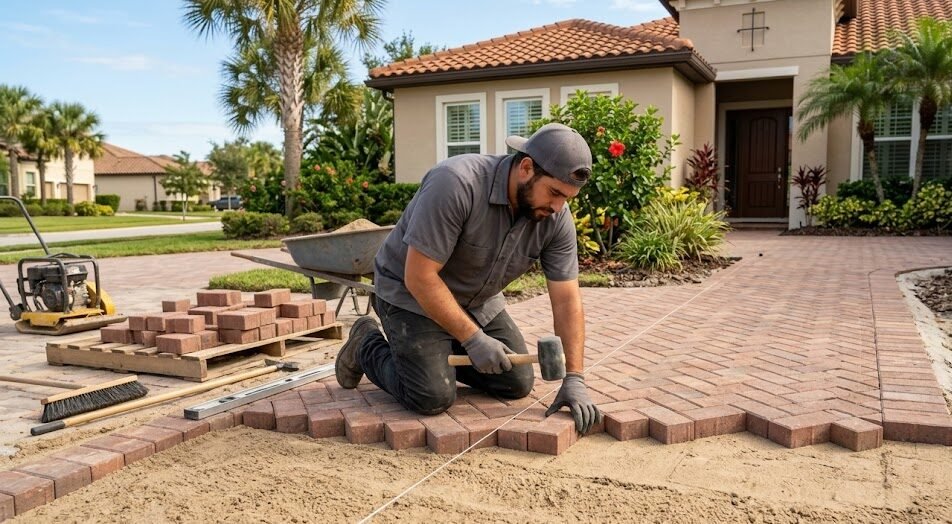
KS Solutions installs aluminum and mesh pool fences across Central Florida, including Kissimmee, Winter Garden and Lakeland. We measure the barrier line first, choose panels that pass pool code, set posts so the bottom clearance holds when the yard settles, and hang gates with hardware set to the latch and swing rules before the inspector arrives.
If you are deciding between aluminum and mesh, or want a pool barrier that also works as your yard fence, our Kissimmee fence installation team can measure your yard and price both options side by side.