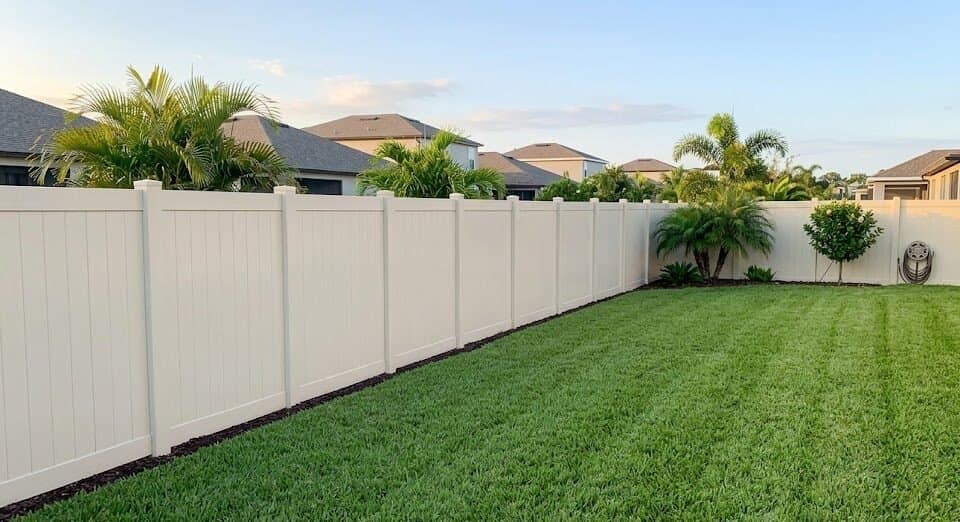
Two Laws, One Fence: Why Pool Barriers Fail Inspection
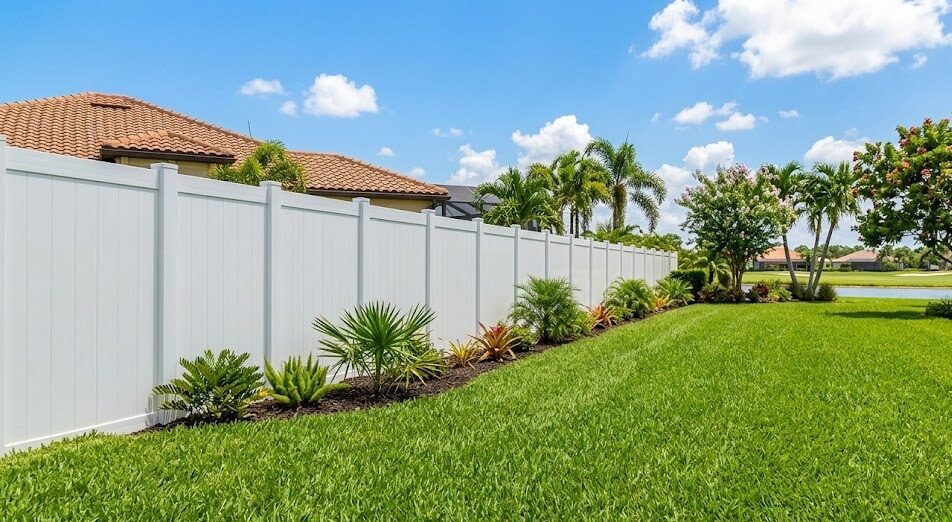
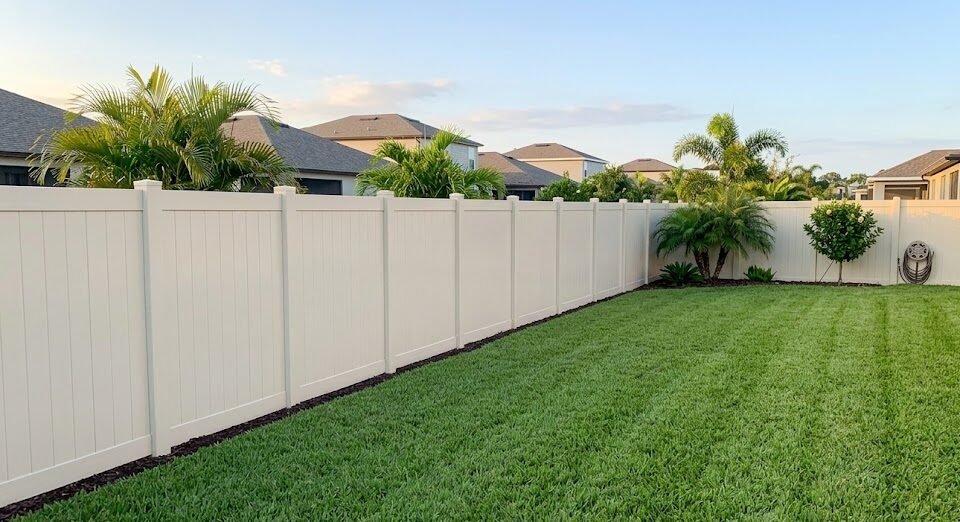
Florida pool fences fail final inspection for small reasons. A gap under the fence that measures 3 inches on a low spot of the lawn. A gate that swings toward the water. A latch mounted at 48 inches instead of 54. A decorative panel with a scroll that passes a 4-inch ball. None of these look like a problem from the patio, and all of them are written into code as numbers an inspector will actually measure.
The reason is that two sets of rules apply at the same time. Chapter 515 of the Florida Statutes, the Residential Swimming Pool Safety Act, sets the legal requirement and the penalty. The Florida Building Code, Residential, Section R4501.17, turns that requirement into measurable construction rules: heights, clearances, spacing, latch position and gate swing. The statute tells you the barrier has to stop a young child. The building code tells you exactly what that means in inches.
The stakes are not abstract. According to the Florida Department of Health, drowning is the leading cause of unintentional death for Florida children ages 1 to 4. The statute defines a young child as anyone under 6, and every number below exists because of that age group.
This guide walks through the 2026 requirements the way an inspector checks them, with the numbers that decide pass or fail. For the broader question of when a fence needs a permit at all, including the exemption rules that do not apply to pool barriers, see our guide to fence permits in Florida.
What Florida Law Requires Before a New Pool Passes Final Inspection
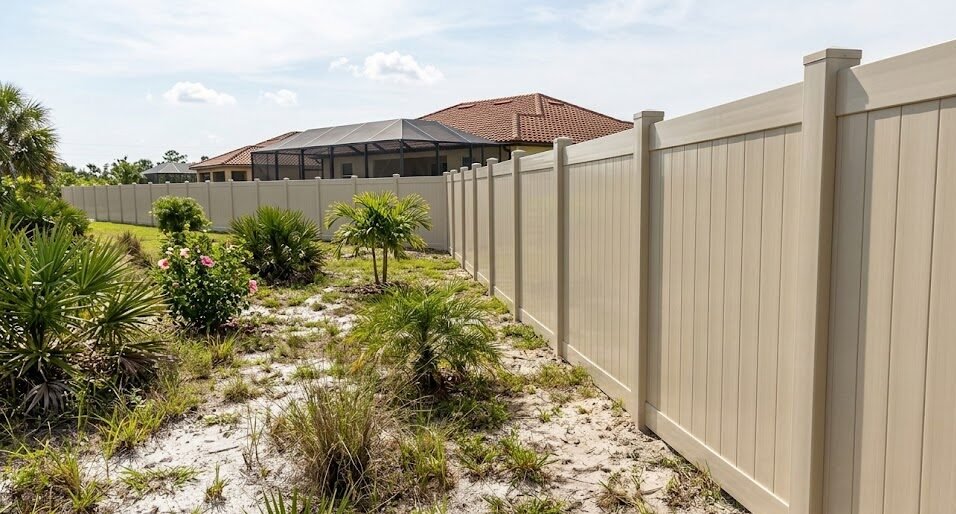
Under Florida Statute 515.27, a new residential pool cannot pass final inspection and receive a certificate of completion unless it meets at least one of these safety features:
- An isolation barrier: A fence, wall or screen enclosure around the pool that meets the barrier requirements of the statute and the building code. This is the most common choice and the only one that stops a child before they reach the water.
- An approved safety pool cover: A cover complying with ASTM F1346. It protects only when it is in place, which is why many owners pair it with a barrier.
- Exit alarms on doors and windows: Alarms on every door and window providing direct access from the home to the pool, with a minimum sound rating of 85 decibels at 10 feet.
- Self-closing, self-latching doors: All doors with direct access to the pool fitted with a self-closing, self-latching device with a release mechanism at least 54 inches above the floor.
- A pool alarm: A device placed in the pool that sounds on detecting an accidental or unauthorized entry into the water, meeting ASTM F2208.
The law sets a floor, not a recommendation. Violating it is a second-degree misdemeanor, though the statute waives the penalty if the pool is brought into compliance within 45 days and the owner completes a drowning prevention education program. In practice, most families choose a barrier and add at least one other layer, such as door alarms, because a barrier protects only when the gate is closed.
The Florida Pool Fence Numbers That Decide Pass or Fail
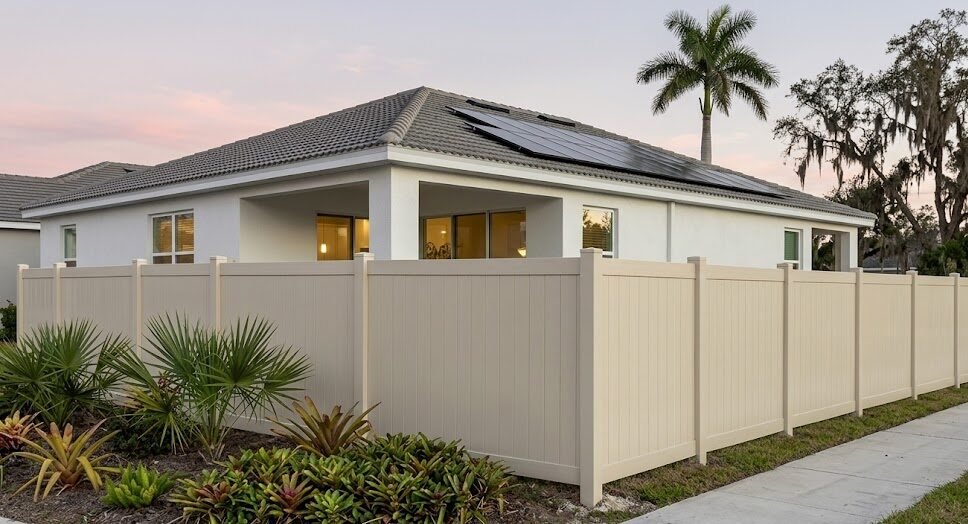
These are the construction requirements from Florida Building Code, Residential, Section R4501.17, current 8th Edition. Measurements are taken on the side of the barrier facing away from the pool, which is the side a child would approach from.
| Requirement | Florida code number | Where it usually fails |
|---|---|---|
| Minimum barrier height | At least 48 inches above grade, measured on the outside | Grade built up with mulch, sod or pavers after the fence goes in |
| Clearance at the bottom | No more than 2 inches between grade and the bottom of the barrier | Low spots, washouts and fences following a sloped lawn in straight panels |
| Clearance on top of an above-ground pool | No more than 4 inches between the pool structure and the bottom of the barrier | Barriers added after an above-ground pool is set |
| General openings | No opening may pass a 4-inch sphere | Decorative panels, gaps at posts, gaps between the fence and the house wall |
| Vertical spacing, horizontals less than 45 inches apart | Horizontal members on the pool side, verticals no more than 1-3/4 inches apart | Standard picket panels installed with rails facing out |
| Vertical spacing, horizontals 45 inches or more apart | Verticals no more than 4 inches apart | Wide picket spacing on custom or older panels |
| Decorative cutouts | No more than 1-3/4 inches within the cutout | Scrolls, rings and ornamental tops |
| Chain link mesh | No larger than a 2-1/4 inch square, unless slats reduce openings to 1-3/4 inches | Standard residential chain link is often larger |
| Diagonal lattice | Openings no more than 1-3/4 inches | Lattice panels used as privacy screens |
Two of these catch more homeowners than the rest. The first is the 2-inch bottom gap, because Florida yards move. Sandy soil settles, irrigation washes out a strip under a panel, and a gap that measured 1-1/2 inches at installation measures 3 inches two summers later. The second is the horizontal rail rule. If the top of one horizontal rail is less than 45 inches from the top of the next, a child can use the rails as a ladder, so the code requires the rails to be on the pool side, where they cannot be climbed from outside.
Gate Requirements: The Part Inspectors Check First
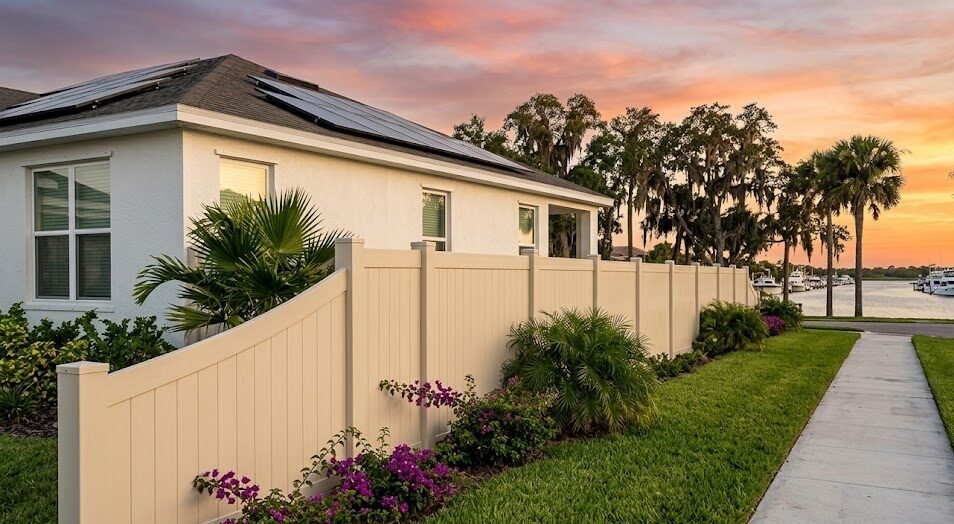
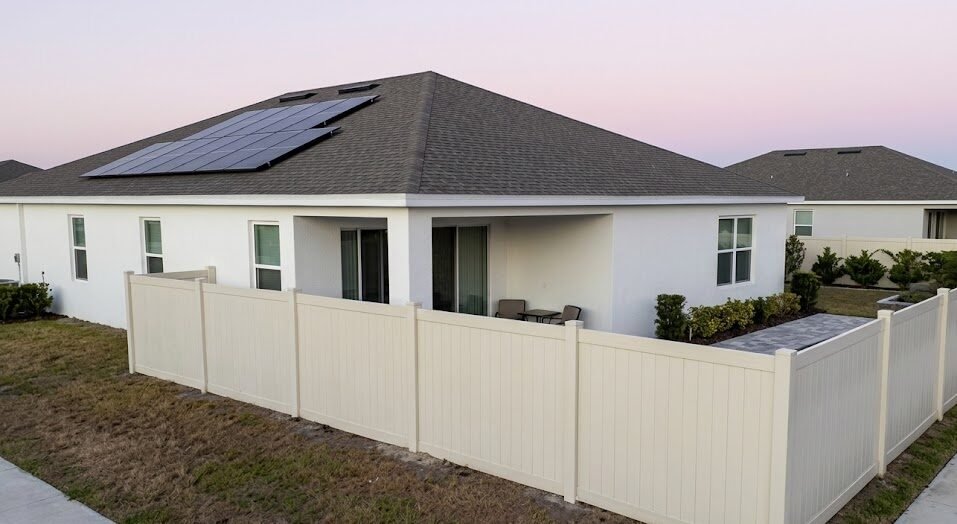
The fence can be perfect and the pool will still fail if the gate is wrong. Section R4501.17.1.8 is specific:
- Self-closing: The gate must close on its own from any open position. Spring hinges need tension set so the gate closes and latches every time, including from a partly open position.
- Self-latching: The gate must latch automatically when it closes, with a latching device located on the pool side of the gate.
- Latch release height: The release must be no less than 54 inches from the bottom of the gate. If it is lower, it has to sit on the pool side, at least 3 inches below the top of the gate, where a child outside cannot reach over to it.
- Swing direction: Gates that provide access to the pool must open outward, away from the pool. A child pushing on the gate should push it closed, not open.
- No openings near the latch: The gate and barrier may have no opening greater than 1/2 inch within 18 inches of the release mechanism, so a small hand cannot reach through to it.
Gates are also where compliance fades with time. Hinges lose tension, latches drift out of alignment as posts shift, and someone props the gate open for a party and forgets. Test the gate once a month: open it partway, let go, and make sure it closes and latches without help.
(321) 353-7445Get Immediate Service
When Your House Wall Is Part of the Barrier
Many Central Florida pools sit right behind the house, so the back wall of the home becomes one side of the barrier. The code allows it, with conditions. If the wall has no door or window that opens directly toward the pool, it can serve as part of the barrier as it is. If it does have doors or windows with direct access, Section R4501.17.1.9 requires at least one of these:
- Exit alarms: Every door and window with direct access to the pool gets an alarm listed to UL 2017 with a minimum rating of 85 dBA at 10 feet. Any deactivation switch must be at least 54 inches above the threshold.
- Self-closing, self-latching doors: Every door with direct access gets a self-closing, self-latching device with positive mechanical latching installed at least 54 inches above the threshold.
- A pool alarm: A device in the pool that sounds when someone enters the water, meeting ASTM F2208.
Some windows are exempt from the alarm rule: screened or protected windows with a bottom sill 48 inches or higher, windows above the first story, and screened or protected pass-through kitchen windows 42 inches or higher with a counter beneath. The sliding glass door to the lanai is never exempt, and it is the most common way a child reaches the pool.
Placement Rules: Where the Pool Fence Can and Cannot Go
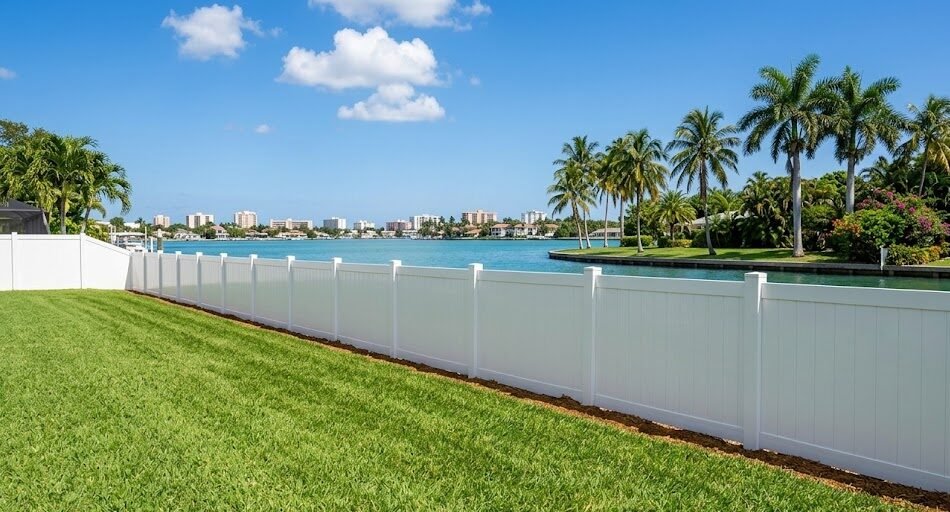
Where you put the barrier matters as much as how it is built.
- Around the pool, not just the yard: The barrier must be placed around the perimeter of the pool and be separate from any fence, wall or enclosure around the yard, unless that fence is on the perimeter of the pool, is being used as part of the barrier, and meets the requirements on its own. A property-line privacy fence is not automatically a pool barrier.
- At least 20 inches from the water: Removable child barriers must be at least 20 inches from the water edge, so a child who climbs over is not already at the water. Permanent walls and screen enclosures may be as close as the code otherwise allows.
- Nothing climbable next to it: The barrier may not be located where a permanent structure, equipment or similar object can be used to climb it. That includes the AC condenser, the pool pump and filter, a retaining wall, a raised planter and built-in benches. Check the outside of the fence line after landscaping is finished, not before.
- Waterways as barriers: Permanent features such as bulkheads, canals and lakes next to a pool may be approved as part of the barrier, but only when the building official agrees the feature is not subject to natural changes. This is decided case by case, and lakefront lots in Central Florida often need a fence on the water side anyway.
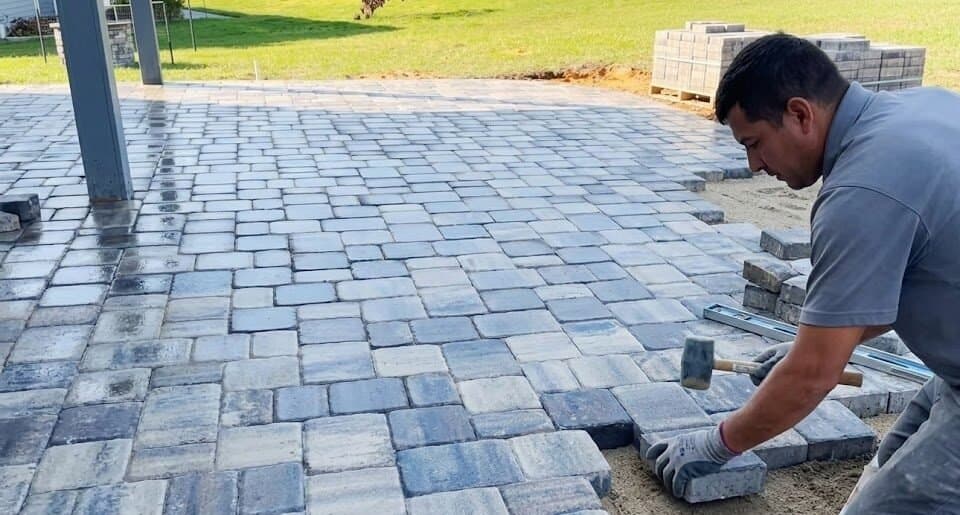
Placement is also where pool fences meet the rest of the backyard. If you are redoing the pool deck at the same time, plan the fence posts and the deck edge together so the barrier sits on a stable base and the 2-inch clearance holds. Our guide to pool deck pavers in Florida covers how the deck and barrier line meet.
Screen Enclosures and Mesh Fences as Pool Barriers
Two barrier types have their own rules in the code.
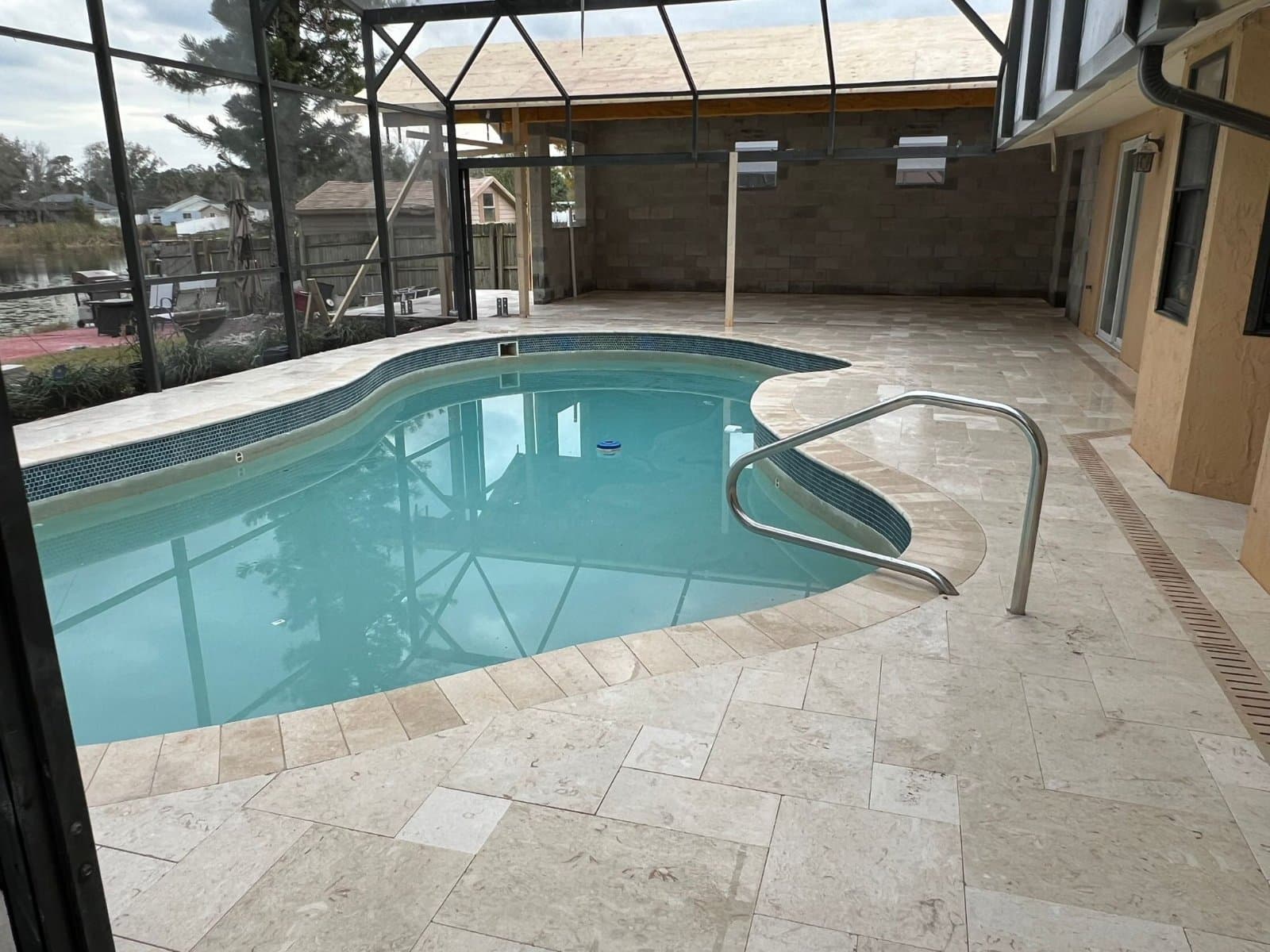
- Screen enclosures: A standard screen enclosure that meets the barrier requirements of R4501.17 may serve as part or all of the barrier. The screen door then has to meet the gate rules: self-closing, self-latching, latch at the right height, and swinging away from the pool. A torn screen panel near the bottom can create an opening that fails the 4-inch rule.
- Removable mesh safety barriers: A mesh barrier installed to the manufacturer instructions and complying with ASTM F2286 is considered a barrier. One end must not be removable without tools, and removable barriers must sit at least 20 inches from the water. Mesh fences may not be installed on top of above-ground pools.
Aluminum, mesh, glass and vinyl can all pass Florida code when they are built to these numbers. Which one fits your yard best is a separate decision that depends on views, salt air, pets and budget. We are covering that comparison in its own guide, so here the rule is simple: pick the material you like, then build it to the numbers in this article.
HOA Rules, Permits and Timing in Central Florida
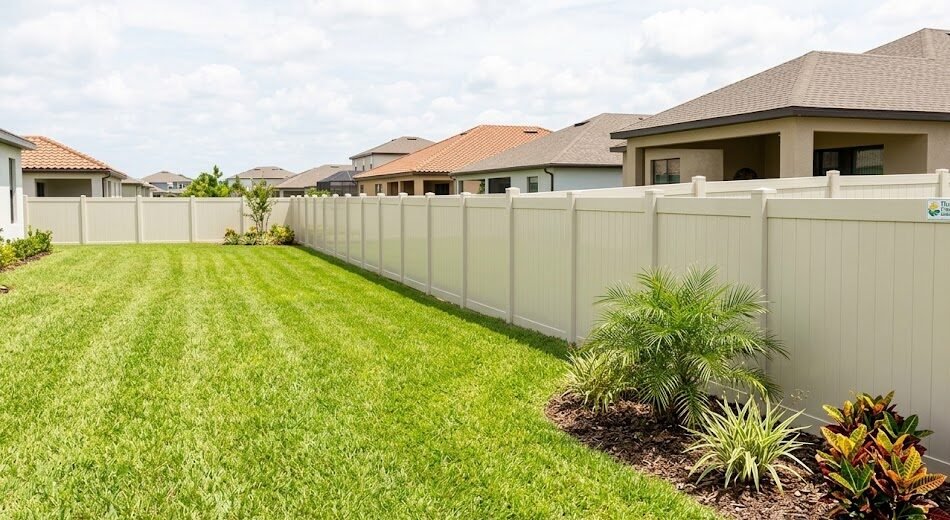
A pool barrier is permitted work in the counties we serve, and the pool itself will not get its certificate of completion until the barrier or another approved safety feature is in place. If you are building a new pool, coordinate the fence schedule with the pool contractor so the barrier is inspected with the pool final instead of delaying it.
In deed-restricted communities, the HOA almost always has rules on fence height, color and style, and some require a specific pool fence design. HOA approval does not replace code compliance, and a fence the HOA approved can still fail the building inspection. Our guide to HOA fence rules in Florida covers how to get the architectural approval moving before the permit.
Existing pools are a different situation. The statute applies to pools built after it took effect, but insurers, home inspectors and buyers look at pool safety on any home. If you are buying or selling a house with a pool, a barrier that does not meet current numbers can come up in the inspection report and in the insurance quote.
A Pool Fence Inspection Checklist You Can Run Yourself
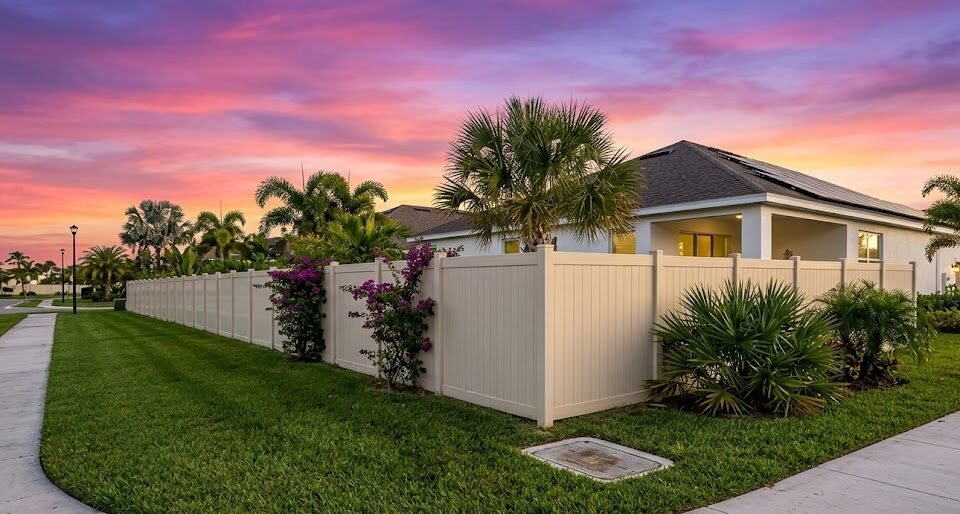
Before the inspector comes, or once a year on an existing pool, walk the fence line with a tape measure and a 4-inch ball.
- Height: Measure from the ground on the outside of the fence to the top at several points, including every low spot. You need at least 48 inches everywhere.
- Bottom gap: Measure the gap between the ground and the bottom of the fence along the whole run. Anything over 2 inches needs fill or an adjustment.
- Openings: Try to pass a 4-inch ball through every gap, including at posts, corners, the house wall and around the gate.
- Rails: Check that horizontal rails spaced less than 45 inches apart are on the pool side.
- Gate: Open it partway and release it. It should close and latch on its own every time. Measure the latch release height and confirm the swing is away from the pool.
- Climbable objects: Look at the outside of the fence for anything a child could climb: equipment, furniture, planters, trees.
- Doors and windows: If the house wall is part of the barrier, test door alarms and self-closing devices.
Building a Pool Fence That Passes the First Time
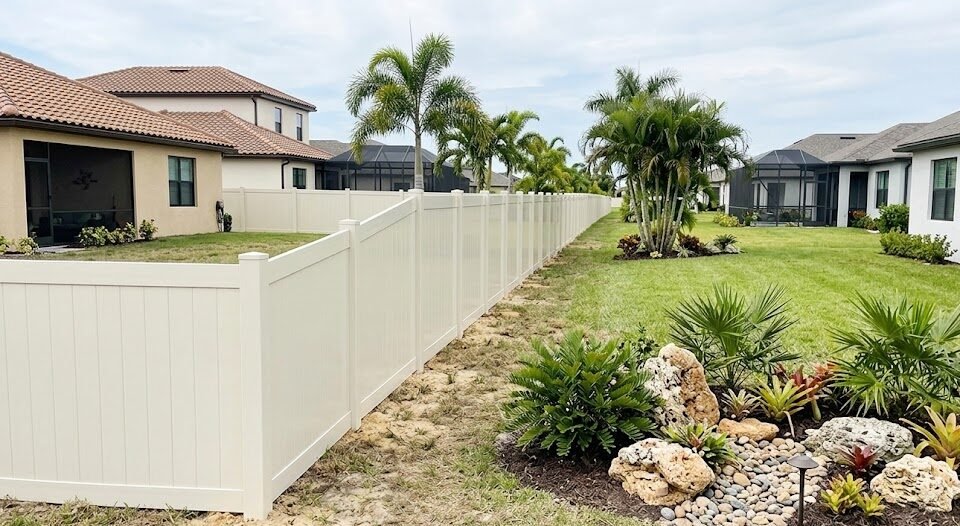
KS Solutions installs pool fences and gates across Central Florida, including Orlando, Lakeland and Clermont. We lay out the barrier line first and the privacy line second, set posts so the bottom clearance holds when the yard settles, and hang gates with hardware set to the latch and swing rules before the inspector arrives.
If you are adding a pool, replacing an old pool fence, or trying to figure out whether your current fence would pass, our fence installation service covers aluminum, vinyl and mesh barriers built to Florida code. Homeowners in Orange County can also see what we build locally on our Orlando fence installation page.