
Brick Paver, Fence & Artificial Turf Services in Plantation Ridge, FL
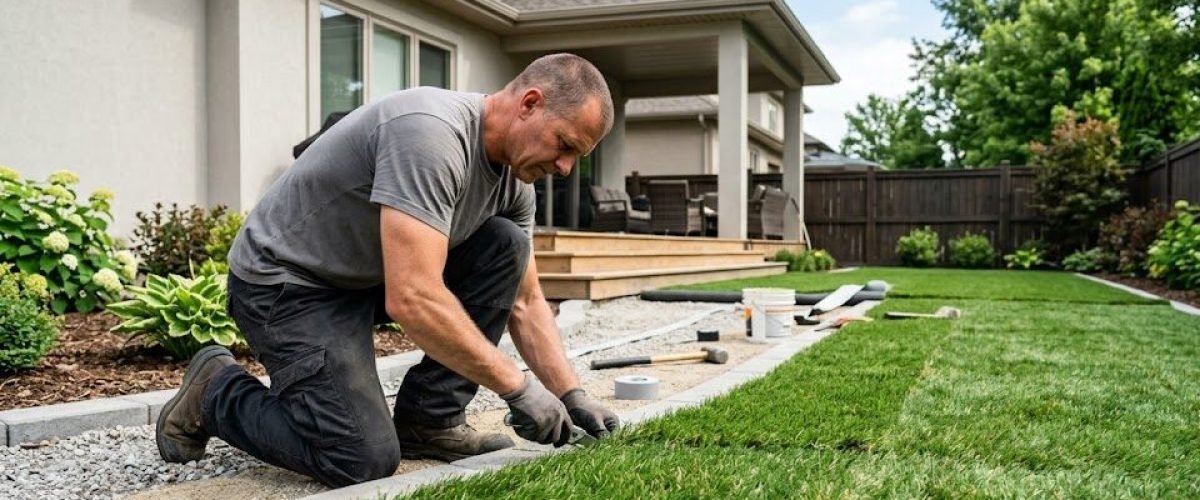
KS Solutions provides professional paver, fence, and turf installation in Plantation Ridge. Call (321) 314-2569.
Outdoor Living Upgrades Built for Plantation Ridge Properties
Plantation Ridge sits in north Lakeland within Polk County, just south of Lake Gibson and the Lake Gibson Senior High School campus. KS Solutions provides brick paver and fence services in Plantation Ridge, FL, along with artificial turf installation and property maintenance programs. It’s a well-established subdivision where homes were built primarily in the 1980s and 1990s on generous lots ranging from a third of an acre to just under half an acre. The neighborhood doesn’t have an HOA, which gives homeowners a level of freedom that’s rare in Central Florida. You can build the fence style you want, install the driveway surface that suits your taste, and make changes to your yard without waiting for a board vote. That kind of flexibility is one reason so many Plantation Ridge residents invest in meaningful outdoor improvements rather than settling for bare-minimum finishes.
We’ve worked on properties across this part of Lakeland for years and understand the ground conditions, drainage patterns, and practical realities that affect how outdoor installations perform here over time. Our services are tailored to Polk County’s sandy soils, subtropical heat, and intense summer rain cycles. We bring the same preparation standards, material quality, and installation discipline to every project we take on in this neighborhood.
Our approach is built around preparation. Every paver base, fence footing, and turf substrate we install is designed for the specific conditions at your property. We don’t cut corners on materials or skip steps to save time. That discipline is why our installations hold up season after season while others crack, lean, or wash out.
The neighborhood is zoned within the 33809 zip code and served by R. Clem Churchwell Elementary, Lake Gibson Middle School, and Lake Gibson Senior High School. Properties here were built on former citrus and ranch land, which means the topsoil is thin and the sand base starts close to the surface. That soil profile affects every outdoor project we build, from how deep we dig paver bases to how we anchor fence posts to how we prepare turf substrates. Knowing these conditions before we start is what separates a durable installation from one that starts failing within a couple of years.
Phone: (321) 314-2569
Custom Brick Paver Driveways, Patios, and Walkways
Most homes in Plantation Ridge were built with poured concrete driveways. After 30 to 40 years in Florida’s climate, those slabs show their age. Hairline cracks spread into deep fractures. Tree root pressure creates heaving and uneven sections. Oil stains, mildew, and tire marks build up into a surface that no amount of pressure washing can fully restore. Replacing worn concrete with interlocking brick pavers solves all of these problems at once, and the finished result transforms the entire front of your home.
Paver driveways perform differently than concrete because of how they’re constructed. A concrete slab is rigid. When the ground beneath it shifts, and sandy Polk County soil does shift, the slab cracks. Pavers are individual units laid on a flexible base system. Minor ground movement gets absorbed across thousands of joints rather than concentrated into a single fracture point. That’s why a properly installed paver driveway can last decades without a single crack.
But that word “properly” matters. The base is everything. We excavate eight to ten inches below finished grade depending on traffic load. A layer of geotextile fabric goes down first to separate the native sandy soil from the aggregate base. This prevents sand migration, which is the number one cause of base failure in Central Florida. Four inches of compacted crushed limestone aggregate goes in next, built up in two-inch lifts with each layer compacted to 95% density. A one-inch layer of leveling sand creates the final bedding surface.
Once the base is ready, we lay the pavers in your chosen pattern. Herringbone is our standard recommendation for any surface that carries vehicle traffic. The 45-degree or 90-degree interlocking angles create rotational resistance that prevents individual pavers from shifting under tire loads. For patios and walkways where vehicle weight isn’t a factor, running bond, basketweave, and ashlar patterns open up more design options.
We stock and install interlocking concrete pavers, natural travertine, and clay brick in dozens of colors and textures. Earth tone blends in tan, charcoal, brown, and slate gray are the most popular choices in Plantation Ridge because they complement the existing home exteriors and hide surface dirt between cleanings. Travertine is the premium choice for pool decks and upscale patios. Its naturally tumbled surface stays cooler underfoot than concrete or porcelain, which matters when you’re walking barefoot in July.
Patio installations are our second most common paver project in this neighborhood. The lots here are big enough for serious outdoor living spaces. We build paver patios that serve as dining areas, conversation zones, fire pit surrounds, and outdoor kitchen foundations. Multi-zone layouts connect different activity areas with transitions in elevation, pattern, or color. Seat walls and planter borders add vertical dimension and built-in function.
Pool deck resurfacing is another frequent request. Many of the older pools in Plantation Ridge have original cool deck or brushed concrete that’s cracked and discolored. Travertine or textured concrete pavers give these pool areas a complete facelift while improving slip resistance and surface temperature. We grade the deck surface to direct splash water away from the pool and toward planting beds or drainage points.
Walkway and entry path installations connect driveways to front doors, side yards to backyards, and patio areas to pools. These smaller projects round out the outdoor space and eliminate the problem of worn grass paths or cracked stepping stones. We also handle paver repairs for existing installations. Sunken spots, washed-out joints, cracked units, and faded polymeric sand are all fixable without tearing out the entire surface. Targeted repairs save money and bring aging installations back to solid condition.
Every paver job finishes with polymeric sand swept into all joints and activated with a controlled water application. This sand hardens to resist weed growth, ant tunneling, and washout from rain. Concrete edge restraints around the perimeter keep the outer row of pavers locked in place permanently.
Sealing is an optional finishing step we offer on all paver installations. A quality penetrating sealer enhances color depth, adds a subtle sheen, and creates a barrier against oil absorption, mildew penetration, and surface staining. Sealed pavers are easier to clean and maintain their original appearance longer. We recommend wet-look sealers for travertine and matte sealers for concrete pavers, though the choice ultimately comes down to your personal preference. Sealer needs reapplication every three to five years depending on traffic and sun exposure, and we include that in our maintenance program if you opt in.
Drainage design is woven into every paver project we build. Florida dumps 50 to 55 inches of rain per year on Polk County, much of it in intense afternoon bursts during summer. A paver surface that doesn’t manage water properly creates pooling, erosion at the edges, and washout in the joints. We grade every surface with a minimum slope of one percent away from structures and toward appropriate drainage points. On properties where existing grading creates challenges, we incorporate French drains or catch basins within the paver layout to intercept and redirect water before it reaches problem areas. These drainage solutions get built during the base preparation phase so they’re integrated into the installation rather than added as an afterthought.
Residential Fence Installation Without HOA Restrictions
Plantation Ridge’s lack of an HOA means you can choose your fence style, height, and material without going through a review committee. That’s a significant advantage. In most of the subdivisions we work in across Polk County, homeowners are limited to two or three approved options. Here, you have full control. And we install every major fencing material so you can pick the option that actually fits your situation rather than settling for whatever the HOA allows.
Vinyl privacy fencing is our highest-volume product. Six-foot solid panels in white or tan create a complete visual barrier around your backyard. The material is engineered to handle Florida’s UV exposure, heat cycles, and moisture without cracking, yellowing, or warping. We use commercial-grade vinyl with reinforced top and bottom rails and steel-insert posts on every installation. Posts go into concrete footings poured at least 24 inches deep in Polk County’s sandy soil. Shallow footings are the most common failure point we see on other companies’ fence jobs, so we don’t compromise on depth.
Vinyl requires virtually no maintenance. An occasional rinse with a garden hose keeps it clean. There’s no painting, staining, or sealing to deal with. It won’t rot, attract termites, or develop the green mildew staining that plagues wood fences in humid climates. For homeowners who want a fence they can install and forget about, vinyl is the answer.
Wood fencing offers a different aesthetic. Pressure-treated pine is the budget-friendly choice and comes in board-on-board, shadow box, dog-eared, flat-top, and horizontal slat configurations. Cedar is the upgrade option with natural insect resistance and a warmer color tone. Both wood species need sealing or staining every two to three years to handle Florida’s rain and humidity. We apply the first coat of stain or sealant as part of every wood fence installation so the material is protected from day one.
Aluminum ornamental fencing serves different purposes. It’s the standard choice for front yard boundaries, pool enclosure barriers, and areas where you want property definition without blocking the view. Black powder-coated aluminum is virtually maintenance-free and immune to rust. The open picket design meets Florida Building Code requirements for pool barriers when combined with self-closing, self-latching gates.
Chain link remains the most economical option for large property enclosures, dog runs, and utility areas. Galvanized or vinyl-coated chain link handles Florida conditions without corroding. We build it with heavy-gauge framework and properly tensioned mesh that doesn’t sag or bow.
Gate installation gets special attention on every fence project. Residential gates take the most abuse of any fence component because they move multiple times daily. We use heavy-duty spring-loaded hinges, reinforced steel frames on wider openings, and self-closing mechanisms on pool gates. Double gates for equipment access get center drop rods and cane bolts to keep the stationary panel secure. Proper gate hardware prevents the sagging, dragging, and latch failures that make cheap fence jobs look bad within the first year.
We also handle fence repairs and replacements for existing installations. Storm damage, impact damage, leaning posts, broken pickets, and worn-out gates are all fixable. If your existing fence is past the point of repair, we’ll remove it and install the replacement in a continuous workflow so you’re never left with a gap in your property line.
Property line verification is something we address at the start of every fence project. We work from your property survey to confirm the fence placement stays within your boundaries. If you don’t have a current survey, we’ll recommend getting one before construction begins. Placing a fence even a few inches onto a neighbor’s property can create legal headaches that are expensive to resolve. We’ve seen it happen on other contractors’ jobs, and we take the steps needed to prevent it on ours.
Plantation Ridge lots typically back up to other residential properties or open land, which creates good conditions for privacy fencing. The lots are wide enough that six-foot panels along the back and sides don’t feel closed in, and the mature trees throughout the neighborhood provide additional screening above the fence line. Many homeowners here combine vinyl privacy panels along the back and sides with aluminum ornamental fencing across the front to create a complete enclosure that looks finished from every angle. We can build these combination layouts as a single project with clean transitions between materials at the corner posts.
Artificial Turf That Handles Polk County’s Sandy Ground
The soil underneath Plantation Ridge is classified as Lakeland series sand. It’s excessively well-drained, meaning water passes through it almost immediately. That sounds like a good thing, but it creates real problems for natural grass. Nutrients wash out before roots can absorb them. Irrigation water disappears before the root zone stays saturated long enough to sustain healthy growth. And the sand itself provides almost no organic matter for grass to feed on. Layer those soil challenges on top of chinch bugs, sod webworms, dollar spot fungus, and the constant cost of mowing, fertilizing, irrigating, and treating, and you understand why so many Plantation Ridge homeowners are done fighting their lawns.
Artificial turf replaces the entire cycle with a single installation. No mowing. No watering. No fertilizing. No pest treatment. No bare spots, no mud patches after rain, no brown dormancy in winter. Just a consistently green, dense, uniform lawn surface that looks sharp every day of the year.
We install premium synthetic turf products with multi-toned blade construction that replicates the natural color variation found in healthy St. Augustine and Bermuda grass. Varying blade heights create texture and depth. A brown thatch layer at the base mimics the organic layer at the soil surface. From the street, from the sidewalk, from across the yard, it reads as natural grass. Visitors regularly can’t tell the difference until they walk on it and feel the consistent density underfoot.
Installation follows a controlled process. We strip the existing sod and excavate three to four inches below finished grade. The exposed ground gets compacted, and a base layer of decomposed granite or crushed aggregate goes in and gets compacted again to create a firm, stable surface that drains freely. We roll out the turf panels, seam them with adhesive and seaming tape so joints are invisible, secure the perimeter with perimeter spikes, and apply silica sand or antimicrobial infill depending on the application.
Pet areas are one of our most requested turf applications. Dogs destroy natural grass in their running paths within weeks. They create bare dirt trails that turn to mud pits every afternoon during summer rain season. Synthetic turf handles heavy pet traffic without wearing through. Liquid waste drains instantly through the permeable backing. Solid waste picks up cleanly. Antimicrobial infill controls bacteria and odor. A quick rinse with the garden hose is the only maintenance required.
Side yard conversions solve another common problem. The narrow strips between homes and fence lines rarely get enough sunlight for healthy grass growth. They stay bare, weedy, or muddy. Turf covers these strips with a clean, consistent surface that handles foot traffic and looks good permanently. Play areas, putting greens, and full front or backyard conversions round out our turf project types.
Financially, the math favors turf for most homeowners within three to five years. Between irrigation costs, fertilizer, pest control, mowing service, and occasional sod replacement, annual lawn care expenses in Polk County commonly run $1,500 to $2,400 per year. Turf eliminates all of those recurring costs after a single upfront investment. The savings compound every year for the life of the installation, which typically exceeds fifteen years with minimal maintenance.
Front yard turf installations work especially well in Plantation Ridge because there’s no HOA restricting material choices. Some homeowners convert just the trouble spots where grass refuses to grow. Others do the entire front lawn for a consistently green look that never needs weekend mowing. The visual consistency of turf is one of its biggest selling points. Natural grass in this area tends to look patchy, with healthy sections next to stressed or bare areas. Turf eliminates that inconsistency completely. Every square foot looks the same, every day.
We also install turf around pools and lanai areas to replace the muddy or worn strips that develop between the pool cage and the fence line. These areas get foot traffic, pet traffic, pool splash, and limited sunlight. Natural grass almost always fails in those conditions. Turf handles all of them without any issues. The drainage performance is especially useful near pools because water passes through the surface rather than creating standing puddles that attract mosquitoes.
For families with kids, turf creates a clean, soft play surface without fire ant mounds, sandspurs, or muddy patches after rain. We can install impact-absorbing padding beneath playground equipment areas to provide fall protection that meets consumer safety guidelines. The surface cleans easily, dries fast after rain, and stays consistently safe underfoot through every season.
Ongoing Maintenance Programs for Outdoor Installations
Florida’s climate pushes outdoor installations hard. Daily UV exposure breaks down unprotected materials. Afternoon thunderstorms dump inches of rain in minutes and flush fine particles from paver joints. Humidity feeds algae, mildew, and mold growth on every surface. Biological debris from oaks, pines, and palms accumulates constantly. Without periodic attention, even the best-built installation starts to look neglected and eventually develops performance problems.
Our maintenance programs address each material type on its own schedule. Paver surfaces get pressure washed to remove biological growth, polymeric sand gets inspected and replenished where washout has occurred, and any settling or shifting units get releveled. Sealed pavers get their coating evaluated and re-applied when wear shows. This maintenance cycle keeps paver surfaces safe underfoot, visually clean, and structurally stable for the long term.
Fence maintenance varies by material. Vinyl gets washed to remove green algae that builds up on the north-facing side. Aluminum gets hardware checks on every hinge, latch, and connection point. Wood fences get stain or sealant touchups, board replacement for warped or split pickets, and post inspections for ground-level rot. Chain link gets tensioning checks and connection tightening. Gate hardware gets lubricated and adjusted on every visit regardless of fence type.
Turf maintenance is the lightest of the three. We brush high-traffic areas to prevent blade matting, remove embedded debris that could block drainage, and check infill levels. Adding infill where foot traffic has displaced it keeps the blades standing upright and maintains the cushioned feel. These visits are infrequent compared to paver and fence maintenance, but they make a noticeable difference in how the turf looks and feels over time.
Each maintenance program is customized to your specific installation, property conditions, and budget. We’ll recommend a schedule during your initial project and adjust it based on how the installation performs through its first full year of weather exposure.
Seasonal timing matters for maintenance in Central Florida. We schedule paver cleaning and resealing during the drier months between November and April when surfaces can cure properly without afternoon rain interrupting the process. Fence staining and sealing follows the same seasonal window. Turf maintenance can happen year-round since it doesn’t involve coatings or treatments that need dry conditions to set. We build these timing considerations into every maintenance plan so the work happens at the right time for maximum effectiveness.
Storm response is an additional service we provide after severe weather events. Hurricanes, tropical storms, and strong summer thunderstorms can damage fences, displace paver sections, and scatter turf infill. We prioritize existing customers for post-storm assessments and repairs, getting your property back to normal as quickly as possible. Having an established relationship with a contractor who already knows your installations speeds up the recovery process significantly compared to calling someone new after every storm.
Why Plantation Ridge Homeowners Choose KS Solutions
We work throughout Polk County and understand what it takes to build outdoor installations that last in this environment. Sandy soil, high water tables, subtropical storms, and intense UV exposure create conditions that punish shortcuts. The companies that skip base preparation, set shallow footings, or use residential-grade materials in commercial-weight applications leave their customers with problems within two to three years. We’ve fixed enough of those jobs to know exactly what goes wrong and why.
Every project starts with a free on-site visit. We walk the property, discuss your goals, evaluate the soil and drainage conditions, measure the work area, and put together a detailed written estimate. The quote covers materials, labor, preparation, and cleanup. There are no hidden costs, change-order surprises, or vague allowances. You see exactly what you’re paying for before you agree to anything.
Our crews show up on the scheduled date, work efficiently through the project, keep the site clean throughout, and leave a finished result we’re proud to stand behind. When the work is done, we walk the installation with you and handle any adjustments before we leave. That straightforward approach has earned us repeat business and referrals across this part of Lakeland for years.
Plantation Ridge’s generous lot sizes, mature trees, and no-HOA freedom make it one of the best neighborhoods in the area for outdoor improvement projects. Whether you’re replacing a cracked driveway, enclosing your backyard, converting a struggling lawn to turf, or doing all three, we have the experience and materials to deliver results that hold up.
We also serve the surrounding north Lakeland neighborhoods, including Gibsonia, Socrum, Sleepy Hill, and the Lake Gibson corridor. If you’re in one of those areas and need outdoor services, the same team, materials, and standards apply. Our knowledge of the local soil conditions, drainage patterns, and municipal requirements extends across this entire section of Polk County, so you get the benefit of a contractor who genuinely knows the area rather than one who’s seeing your neighborhood for the first time.
Multi-project packages are something many Plantation Ridge homeowners take advantage of. Combining a driveway replacement, backyard fence, and turf conversion into a single project saves mobilization costs, reduces the total timeline, and lets us coordinate the work so each element ties into the next. A paver patio transitions cleanly into an adjacent turf area. A fence meets the patio edge at a planned point. These connections look better and perform better when they’re designed and built together rather than pieced together over multiple separate projects by different contractors.
Call KS Solutions at (321) 314-2569 to schedule your free estimate in Plantation Ridge.
Related Services in Plantation Ridge, FL
- Brick Paver Installation Services – Learn more about our driveway, patio, and pool deck paver work.
- Fence Installation Services – Explore our vinyl, aluminum, wood, and chain link fencing options.
- Artificial Turf Installation Services – Details on our synthetic lawn, pet turf, and play area products.
Frequently Asked Questions
Polk County requires a fence permit for most residential installations. Because Plantation Ridge doesn’t have an HOA, you won’t need architectural approval on top of the county permit. KS Solutions handles the permit process as part of every fence project so you don’t have to deal with county offices yourself.
A typical two-car driveway in Plantation Ridge takes four to six working days from demolition of the old surface through final polymeric sand application. Larger projects with extended aprons, walkways, or turnaround areas may take a day or two longer. Weather delays from afternoon storms can occasionally add time during summer months.
Turf surface temperatures do rise in direct afternoon sun, similar to any dark surface. Lighter-colored turf products reduce heat absorption. Shaded areas stay comfortable throughout the day. We can also install turf with cooling infill technology that reduces surface temperatures compared to standard products. Most homeowners find that morning and evening use is comfortable barefoot, while midday sun exposure in summer requires shoes just like it would on a dark paver or concrete surface.
In many cases, yes. We carry a wide selection of paver styles, colors, and sizes and can usually find a close match to existing installations. If an exact match isn’t available because the original product has been discontinued, we can use complementary colors or create a border transition that blends the old and new sections together. We’ll bring samples to your property during the estimate visit so you can see the comparison in person.
Properly installed turf handles heavy rain and wind without issue. The permeable backing drains water faster than natural soil, so flooding and pooling are actually reduced compared to a natural lawn. High winds don’t affect turf that’s been secured with perimeter spikes and weighted with infill. After a storm passes, a quick debris removal is usually the only cleanup needed. We’ve had installations go through multiple hurricane seasons without damage.
Get a Free Estimate in Plantation Ridge, FL
SCHEDULE AN APPOINTMENT
Top-Rated by Homeowners: Your Trusted Choice for Outdoor Transformations.
Last updated: March 30, 2026