
Brick Paver, Fence & Artificial Turf Services in Lake Mirror Area, FL
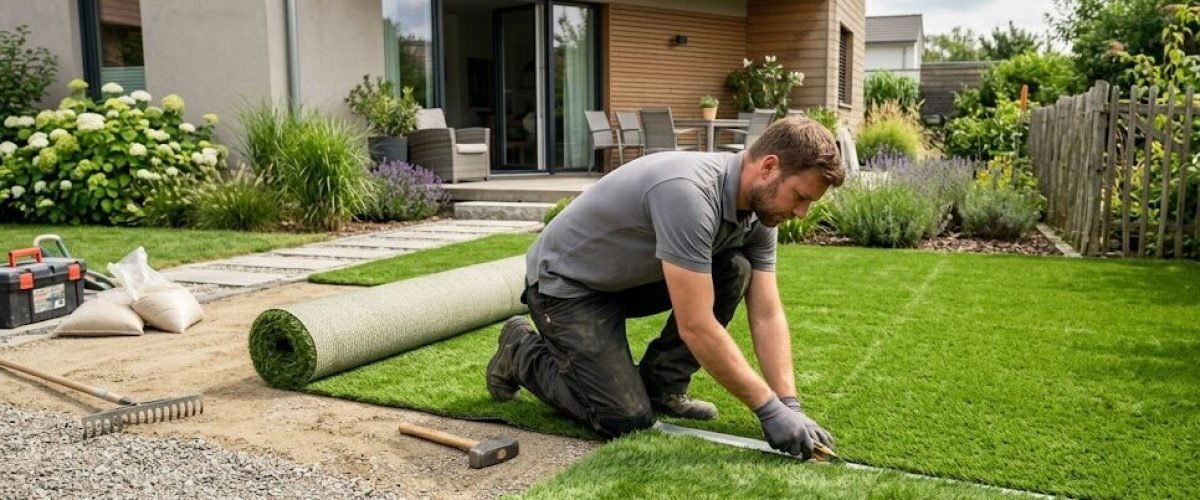
KS Solutions serves the Lake Mirror Area with skilled paver and fence installations. Call (321) 314-2569 to learn more.
Paver and Fence Services That Respect the Character of the Lake Mirror Area
Downtown Lakeland’s Lake Mirror area is one of the most historically significant neighborhoods in all of Polk County, and the properties here reflect that. The homes are older. The lots are established. The trees have been growing for decades. And the architecture tells a story that stretches back more than a hundred years. So when it comes to outdoor improvements like pavers and fencing, you can’t just show up with a generic plan and start tearing things apart. KS Solutions provides brick paver and fence services in Lake Mirror Area, FL, and we approach every project here with the care and sensitivity this neighborhood deserves. We’ve worked on properties throughout downtown Lakeland, and we understand that the Lake Mirror area demands a different kind of attention than a brand-new subdivision on the edge of town. The materials need to complement the existing character. The design needs to feel like it belongs. And the installation has to be precise because there’s no hiding sloppy work on a property where people have been walking past for generations.
Lake Mirror sits in the heart of downtown Lakeland and serves as the centerpiece of the surrounding historic district. The Frances Langford Promenade (originally built around 1928 as part of the City Beautiful movement sweeping the country at the time) wraps around the lake with a 20-foot wide decorated walkway covering 21 acres. It was designed by Charles Wellford Leavitt, a student of Frederick Law Olmsted, the same man who designed Central Park in New York City. The Promenade features ornamental lamp posts and Corinthian columns that define its western edge, and it was added to the U.S. National Register of Historic Places on January 27, 1983. Hollis Garden, a 1.2-acre botanical display garden divided into 16 themed “rooms” with rotating seasonal plantings, sits within the park. The district contains 201 historic buildings, and the American Planning Association named Lake Mirror Park one of the Great Public Spaces in America in 2014. This isn’t background trivia. It’s directly relevant to how outdoor construction works here because the historic nature of the area comes with both aesthetic expectations and real regulatory considerations that affect what you can build and how you can build it.
The homes surrounding Lake Mirror range from early 1900s Craftsman bungalows and Mediterranean Revival houses (built during Lakeland’s 1920s boom) to mid-century ranch homes and a handful of newer infill builds that filled empty lots over the past twenty years. Each style has its own personality, and the hardscaping and fencing should feel like a natural extension of the home rather than something bolted on from a catalog. That’s what we do at KS Solutions. We look at the whole property, the architecture, the era, the existing materials, the surrounding homes, and we design something that ties everything together. It takes more thought upfront, but the results show that extra effort clearly.
Working Within Historic District Guidelines for Outdoor Construction
Parts of the Lake Mirror area fall within Lakeland’s designated historic districts, and that means there are additional rules governing what you can and can’t do to the exterior of your property. The City of Lakeland’s Historic Preservation Board reviews proposed changes to properties in these districts, and depending on the scope of your project, you may need a Certificate of Appropriateness before work begins. This isn’t a standard building permit. It’s a separate review process that evaluates whether your proposed improvement is compatible with the historic character of the district. The board looks at materials, colors, scale, placement, and overall design to make sure new work doesn’t clash with or diminish the historic integrity of the surrounding area.
For fencing, this often means restrictions on materials, styles, and heights that go beyond normal city code. Chain link in a front yard? Almost certainly not going to fly in a historic district. A six-foot solid vinyl privacy fence visible from the street? Probably not either. The historic board tends to favor materials and designs that match the era of the homes in the district. Wrought iron or aluminum ornamental fencing in the front yard. Wood picket fencing in a style consistent with the home’s original architectural period. Privacy fencing limited to rear yards and set back from the primary facade so it doesn’t dominate the streetscape view. These rules exist to protect the visual character that makes the Lake Mirror area special, and we respect them. More than that, we think they make sense. There’s a reason people choose to live in this neighborhood rather than a generic subdivision, and it’s precisely because someone has been protecting its character all these years.
For paver installations, the historic board may weigh in on driveway materials, walkway designs, the extent of hardscaped surface in the front yard, and the color palette. Traditional brick pavers are almost always an easy approval because they’re period-appropriate for the older homes in the district. Concrete pavers in earth tones or muted colors usually pass without issue too. But bright white pavers, heavily patterned multi-color designs, or modern large-format tiles that look out of place next to a 1925 bungalow will likely get pushed back. The board wants to see materials that a homeowner in the 1920s, 1930s, or 1940s might have chosen, even if the actual product is manufactured with modern technology and durability.
KS Solutions has experience working within these guidelines, and we factor them into our design from the very beginning. We don’t propose something that’s going to get denied and waste everyone’s time. We study the guidelines, look at what’s been approved on similar properties in the area, and design accordingly. When we present options to a Lake Mirror homeowner, every option we show is something we’re confident the board will approve. If your property requires a Certificate of Appropriateness, we prepare the application materials, assemble the supporting documentation with product specs and photographs, and walk you through the process so you know exactly what to expect and how long the review period will take.
Not every property in the Lake Mirror area falls within a formal historic district. Some are in adjacent neighborhoods that have a historic feel and older housing stock but aren’t subject to the same review process. For those properties, you have more flexibility in materials and design choices. But we still recommend choosing materials that complement the neighborhood’s character rather than fighting against it. Installing a modern, industrial-style fence next to a row of 1940s bungalows doesn’t look right, even if it’s technically allowed. We help our customers strike the right balance between personal preference and neighborhood context so the finished project enhances the property without looking out of step with its surroundings.
Brick Paver Options That Match the Architecture Around Lake Mirror
Traditional clay brick pavers are the most natural fit for the Lake Mirror area. They’re the same material that was used for walkways, driveways, and garden paths throughout Lakeland’s early development, and they age beautifully over time. New clay pavers develop a patina that blends seamlessly with the older brick you see on foundations, chimneys, steps, and garden walls throughout the district. We source our clay pavers from manufacturers that produce historically accurate sizes and colors, including the slightly irregular edges and tonal variation that distinguish real brick from mass-produced concrete imitations. When you lay a clay brick paver walkway in front of a 1920s Craftsman home, it looks like it’s always been there. That’s the effect we’re going for, and it’s the effect that makes both the homeowner and the Historic Preservation Board happy.
For homes that lean more toward the Mediterranean Revival style (and there are quite a few around Lake Mirror, reflecting Lakeland’s 1920s building boom when that style was at its peak popularity in Florida), we often recommend tumbled travertine or tumbled concrete pavers in warm, sandy tones. Tumbling gives the pavers a worn, organic texture that looks like they’ve been in place for years rather than days. Paired with the stucco walls, barrel tile roofs, arched doorways, and decorative ironwork of a Mediterranean home, tumbled pavers create a cohesive look that feels authentic to the style and the era. The soft edges are also easier on bare feet, which matters for pool decks and backyard patios where shoes come off.
Concrete pavers are another solid option, especially for driveways where durability under vehicle traffic is the top priority. Modern concrete pavers come in profiles that closely mimic natural stone, slate, cobblestone, and clay brick, and they’re available in a wider range of colors and sizes than any other paver material on the market. For Lake Mirror properties, we gravitate toward concrete pavers in warm, muted tones (charcoal, slate, terracotta, sandstone) that don’t fight with the surrounding architecture. Bold colors and high-contrast patterns tend to look out of place in a historic setting, so we keep the design restrained and let the quality of the installation speak for itself. A clean, well-executed paver surface in a single earth tone will always look better in this neighborhood than a flashy multi-color pattern that draws attention to itself.
Walkway projects are especially common around Lake Mirror because of how the neighborhood functions. People walk here. They walk to the Promenade that circles the lake. They walk to Hollis Garden to see the seasonal flower rotations. They walk to the Saturday morning downtown farmers market that brings out crowds with fresh produce, handmade goods, and live music. They show up for the First Friday street events every month, when the blocks fill with food vendors, artists, and live entertainment. They walk to downtown restaurants like Harry’s Seafood, Palace Pizza, Black and Brew, and dozens of other spots. A well-designed paver walkway from the sidewalk to the front door isn’t just a cosmetic upgrade in this neighborhood. It’s functional infrastructure that gets used every single day, and it needs to be built to handle that traffic without settling, shifting, or becoming a tripping hazard as the pavers move on sandy soil. We install walkways with proper grading for drainage, stable edge restraints staked into the ground, and a multi-layer base system that prevents the settling and joint gaps that plague cheaply installed walkways.
For the backyards and side yards of Lake Mirror homes, paver patios create usable outdoor living space on properties that often have mature trees, established garden beds, and uneven terrain that’s been shaped by decades of root growth and natural settling. We work around tree roots carefully (cutting them is not an option on properties with heritage oaks and magnolias that have been growing since before the house was built), adjust grades to manage water flow without disrupting existing drainage patterns, and design patio shapes that fit the irregular lot geometries you find in older neighborhoods. These aren’t cookie-cutter rectangles stamped out from a template. They’re custom layouts that respond to the specific conditions of each individual property.
Fencing Styles That Belong in a Historic Lakeland Neighborhood
The right fence in the Lake Mirror area does more than mark property lines. It contributes to the streetscape. Drive through the blocks surrounding the lake and you’ll see wrought iron fences with decorative finials, white painted wood picket fences with shaped tops, and low stone walls with iron gates. These aren’t random choices. They reflect the architectural periods of the homes behind them. And when a fence matches its home’s style and era, the whole property looks intentional and curated, like someone thought about it rather than just grabbing whatever was cheapest at the home improvement store.
Aluminum ornamental fencing is our most popular recommendation for front yards in the Lake Mirror area. It replicates the look of traditional wrought iron at a fraction of the weight and maintenance burden. Wrought iron is beautiful, and it’s historically accurate for many of the homes around the lake, but it rusts in Florida’s humidity and requires regular scraping, priming, and painting to stay in good condition. That’s a recurring expense and a recurring headache that most homeowners would rather avoid. Aluminum doesn’t rust, period. The powder-coated finish holds up for decades without fading, chipping, or peeling, even in direct Florida sun and the 71 to 79 percent humidity that’s normal in Lakeland year-round. And with the right profile (flat top, spear top, or a custom design with finials and scrollwork), aluminum fencing is virtually indistinguishable from wrought iron at normal viewing distances. You get the historic look without the historic maintenance bill.
Wood picket fencing remains a true classic for Craftsman and bungalow-style homes around Lake Mirror. We build custom wood picket fences with tapered tops, dog-ear tops, or French Gothic points depending on the architectural style of the home. For properties in the Lake Mirror area, we use pressure-treated Southern yellow pine or cedar, and we seal every piece before installation and again after the fence is complete. The initial sealing protects the interior wood fibers from moisture absorption, and the exterior coat creates a barrier that slows the effects of Lakeland’s relentless humidity. With proper maintenance (re-sealing every two to three years), a wood picket fence in this area will last 15 to 20 years before it needs replacement. Without that maintenance, you’re looking at seven to ten years before the bottom rails start showing soft spots and the pickets begin to warp. We’re honest about the maintenance commitment upfront because we’d rather a customer choose vinyl or aluminum than install a beautiful wood fence that deteriorates because they didn’t realize it needed regular care.
Privacy fencing in the Lake Mirror area is usually limited to rear yards, and we design it to minimize its visual impact from the street and neighboring properties. Board-on-board construction (where the pickets overlap rather than butt together) provides complete privacy while allowing air to flow through the gaps, which reduces the wind load on the fence during storms. This is an important consideration in Central Florida where tropical storms and hurricanes produce sudden high winds that can take down solid-panel fences that catch the gusts like a sail. Board-on-board also has a more refined look than a standard stockade fence because both sides show an even, consistent face rather than one side showing pickets and the other showing rails and posts. We cap the tops of our privacy fences with a horizontal rail that gives the fence a finished appearance and protects the exposed end grain of the pickets from moisture penetration, which is the primary entry point for rot.
Gates deserve special mention in this neighborhood. The Lake Mirror area has a lot of properties with detached garages, alley access, narrow side yards, and secondary entry points to the backyard that function as the primary daily access route. A well-built gate with quality hardware makes these transition points work smoothly and look good doing it. We install gates with heavy-duty, stainless steel hinges rated for the gate’s weight, self-closing mechanisms where required by code (especially for pool access), and latches that operate reliably year after year without sticking, sagging, or failing to catch. A gate that sags, drags on the ground, or won’t latch properly is a constant source of frustration, and it’s almost always the result of undersized hardware or posts that weren’t set deep enough to support the gate’s weight and swing. We don’t make those mistakes, and we size every gate post and hinge for the specific gate it will carry.
Protecting Mature Trees, Existing Features, and Established Grounds During Installation
One of the biggest challenges of working on established properties around Lake Mirror is the existing growth and built features. These yards have mature live oaks, magnolias, crape myrtles, and ornamental plantings that have been growing for decades. Some of these trees predate the homes themselves. Damaging a heritage tree or destroying an established garden bed during a paver or fence installation would be unforgivable, and it would also potentially violate Lakeland’s tree protection ordinances. We take this seriously, and we have specific procedures for protecting existing vegetation and structures during every project we take on in this area.
Before excavation begins, we identify all root zones and establish protection perimeters around major trees. The general rule is that the critical root zone extends at least as far as the tree’s canopy drip line, and for some species it extends further. Within that zone, we avoid heavy equipment entirely, minimize digging depth, and hand-excavate when necessary to work around roots without cutting them. We use hand tools rather than a Bobcat or mini-excavator when the work area falls within a tree’s root zone. It’s slower, and it adds labor hours to the project, but it’s the only responsible approach when you’re working near a tree that took fifty or sixty years to grow. If a paver layout puts the base preparation area in conflict with major structural roots, we adjust the design to route around them rather than cutting through. Losing a heritage oak to save a few hours of labor is not a trade anyone should be willing to make.
For fence installations near mature trees, we sometimes encounter roots directly in the path of a post hole. When that happens, we shift the post location by a foot or two, adjust the fence line slightly to accommodate the tree’s root system, or use a surface-mounted post base that attaches to a concrete pad poured on top of the ground rather than a buried footing that would require cutting through roots. These adaptations require some creativity and willingness to deviate from a perfectly straight line, but they preserve the tree and still deliver a structurally sound fence. We’ve installed fences around heritage oaks in the Lake Mirror area where the fence line curves and adjusts to follow the root system, and the finished product looks intentional and natural rather than compromised or poorly planned.
We also protect existing hardscaping, driveways, sidewalks, and garden beds from construction traffic and material staging. Plywood sheets go down over any areas where our crew needs to wheel materials with heavy loads. We cover adjacent garden beds with protective fabric to keep debris, sand, and dust from settling into the soil and around plants. And we keep our material staging area confined to the smallest footprint possible, usually the driveway or an open section of the yard well away from established plantings and fragile features. At the end of every project, we walk the entire property with the homeowner and address anything that was disturbed during the work. If sod was torn up by equipment access, we replace it with fresh sod that matches what’s already there. If mulch was scattered, we redistribute it. If a sprinkler head got bumped, we reset it. The property should look complete and cared for when we leave, not just in the area we worked on but everywhere our presence was felt.
Older properties around Lake Mirror also tend to have existing structures that require careful work: brick garden walls, stone steps, concrete retaining walls, decorative planters, birdbaths, trellises, and other features that have been part of the property for decades. We document everything during our initial site survey with photographs and measurements, and our crews know to treat existing structures with the same care they’d give to the work they’re installing. If we need to connect new pavers to an existing walkway or tie a new fence into an existing wall, we make sure the transition is clean and the connection is structurally sound. No rough joints, no visible patches, no “close enough” approximations that look fine from ten feet away but fall apart under closer inspection. This neighborhood rewards attention to detail, and our customers in the Lake Mirror area expect nothing less.
The bottom line is that working in the Lake Mirror area requires patience, experience, and genuine respect for what’s already there. Not every contractor is willing to spend the extra time it takes to work around a root system, hand-excavate near an old garden wall, or adjust a fence line to preserve a tree that’s been growing since before the neighborhood had paved roads. We are. And that’s one of the reasons Lake Mirror homeowners trust KS Solutions with their properties. Call KS Solutions to schedule a free consultation and see how we approach projects in your neighborhood.
Related Services in Lake Mirror Area, FL
- Brick Paver Installation Services – Learn more about our driveway, patio, and pool deck paver work.
- Fence Installation Services – Explore our vinyl, aluminum, wood, and chain link fencing options.
- Artificial Turf Installation Services – Details on our synthetic lawn, pet turf, and play area products.
Frequently Asked Questions
Brick paver costs in Lake Mirror Area typically range from $12 to $25 per square foot installed, depending on the paver type, pattern complexity, and site preparation needed. A standard driveway runs between $8,000 and $18,000, while a patio usually falls between $3,500 and $10,000. KS Solutions provides free estimates for all Lake Mirror Area projects, so call (321) 314-2569 for exact pricing on your property.
Permit requirements in Lake Mirror Area depend on your local jurisdiction and fence height. Fences under 6 feet in most of Polk County generally do not require a building permit, but fences over 6 feet, masonry walls, and fences near easements or property lines may need one. Many Lake Mirror Area HOA communities also require architectural approval before installation. KS Solutions handles the permitting process for you.
Quality artificial turf installed by KS Solutions in Lake Mirror Area typically lasts 15 to 20 years with proper maintenance. Central Florida’s intense UV exposure and heavy summer rainfall are the main wear factors, but modern turf products include UV stabilizers that resist fading. We use commercial-grade turf with strong drainage backing designed specifically for Florida conditions.
Yes. KS Solutions provides brick paver installation, fence installation, artificial turf, and preventive maintenance services throughout Lake Mirror Area and the surrounding Polk County area. Our crews work in Lake Mirror Area regularly and understand the local soil conditions, HOA requirements, and building codes that affect outdoor projects here. Call (321) 314-2569 for a free estimate.
A typical paver patio installation in Lake Mirror Area takes 3 to 5 days depending on size, site conditions, and design complexity. Larger projects like pool decks or driveways may take 5 to 7 days. KS Solutions handles all site preparation, base compaction, paver laying, and joint sanding in one continuous process. Weather delays from afternoon storms are common in Central Florida, and we plan our schedules around them.
Get a Free Estimate in Lake Mirror Area, FL
SCHEDULE AN APPOINTMENT
Top-Rated by Homeowners: Your Trusted Choice for Outdoor Transformations.
Last updated: March 17, 2026