
Brick Paver, Fence & Artificial Turf Services in Lake Marion Creek Corridor, FL
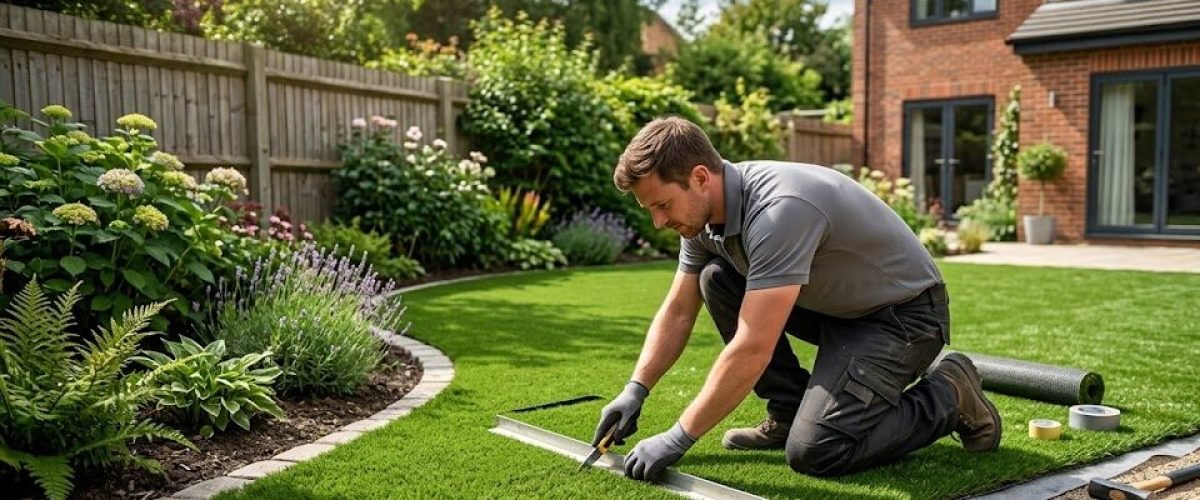
KS Solutions delivers expert paver and fence services to the Lake Marion Creek Corridor. Call (321) 314-2569 today.
Custom Paver and Fence Solutions for Properties Along the Lake Marion Creek Corridor
The Lake Marion Creek corridor sits in the southern stretches of Polk County, tucked into the rolling terrain between Haines City and the rural land that spreads southeast toward Lake Wales. It’s a unique part of central Florida where residential neighborhoods, agricultural parcels, and conservation land all share the same zip code. KS Solutions provides brick paver and fence services in Lake Marion Creek Corridor, FL, and we’ve built our approach around the specific conditions that define this part of Polk County. The creek itself feeds into Lake Marion, one of Polk County’s larger lakes at roughly 2,900 acres, and the surrounding corridor includes a patchwork of communities that range from older established homesteads to newer planned developments. The soil is sandy. The water table can be surprisingly close to the surface near the creek and lake. The lots are often larger than what you’ll find in a typical subdivision, and that changes how we plan, design, and build outdoor hardscaping and fencing projects.
Haines City, the nearest incorporated city, sits along the US 27 corridor and has been growing steadily over the past decade. The population has climbed past 30,000, and much of that growth has pushed outward into areas that were once rural land. The Lake Marion Creek corridor has felt this growth directly. New subdivisions and planned communities have appeared along roads that used to lead only to cattle ranches and citrus groves, bringing families and new construction into previously undeveloped areas. But the corridor still holds onto its rural character in many places, with large lots, open fields, and stretches of undeveloped land between pockets of homes. This mix of old and new creates interesting challenges for outdoor construction. Some properties have been here for 40 or 50 years and need updated hardscaping to match renovated interiors. Others are brand new builds on freshly cleared lots that need everything from scratch. We handle both.
The Lake Marion Creek corridor also sits along a portion of the Florida National Scenic Trail, which passes through Polk County on its way from the Everglades to the panhandle. Hikers and nature enthusiasts use the trail year-round, and many of the properties near the corridor have a direct connection to this network of green space. Living close to conservation land has benefits, like privacy and wildlife sightings and a buffer from dense development, but it also means dealing with environmental considerations that don’t apply in a standard subdivision. Setback requirements, drainage restrictions, and protected species habitat zones can all influence where and how outdoor construction happens on these properties. We factor all of this into our project planning because the details matter when you’re working in a corridor that blends suburban development with natural Florida terrain.
Understanding the Soil and Drainage Conditions Near Lake Marion Creek
If you’ve ever dug a hole anywhere near the Lake Marion Creek corridor, you already know about the sand. Central Florida’s soil profile in this area is dominated by fine sand, and in many spots along the creek and near the lake, you’ll hit water before you get much deeper than two or three feet. That’s the reality of building in a low-lying corridor that feeds directly into a 2,900-acre lake. And it has a direct impact on how we install both pavers and fence posts.
For paver installations, the base preparation is everything. Sandy soil drains fast, which is generally a good thing for preventing standing water on a patio or driveway. But sand also shifts, compresses unevenly, and erodes when water flows through it in large quantities. Without a properly engineered base, pavers installed in this corridor will settle, separate, and become uneven within a couple of years. We start every paver project with excavation down to a stable subgrade, then build up with layers of compacted crushed limestone or recycled concrete aggregate. Each layer gets compacted with a plate compactor, and we verify density before adding the next layer. The finished base is flat, firm, and engineered to support the pavers without movement even during heavy rain events.
The drainage component deserves extra attention in the Lake Marion Creek corridor. Properties closer to the creek and the lake can experience seasonal flooding during Polk County’s wet season, which typically runs from June through October. Average annual rainfall in this area is around 52 inches, and most of it arrives in afternoon thunderstorms that can dump several inches in under an hour. When we design a paver layout for a property near the creek, we slope the surface away from the home’s foundation and toward the natural drainage paths. If the grade doesn’t cooperate, we install a French drain system underneath or along the edge of the paver field to collect and redirect water before it pools against the house.
For fencing, the sandy soil means we go deeper on post holes than we would in areas with more clay content. Our standard post depth in most parts of Polk County is 30 inches for a six-foot privacy fence. In the Lake Marion Creek corridor, we routinely go to 36 inches and use a wider footing, especially on properties where the water table sits close to the surface. Concrete post footings in wet sand need time to cure properly, and we schedule our pours to avoid setting posts during active rain events. If we encounter standing water in a post hole, we pump it out and use a quick-setting concrete mix that hardens in 20 to 40 minutes rather than the standard 24-hour cure time. These adjustments take extra effort, but they prevent the post shifting and leaning that you see all over this corridor on fences that were installed without proper engineering.
Proper drainage around post footings is another detail we handle differently in the corridor. If water sits against the base of a concrete footing for extended periods, it can erode the surrounding sand and create a void that allows the post to lean. We grade the soil around each footing so that surface water drains away from the post, and we pack the top of the footing with a clay cap that sheds water rather than absorbing it. These are small steps that add maybe 15 minutes per post, but they prevent the kind of slow, progressive failure that shows up two or three years after installation.
We also pay attention to the specific micro-grading of each property. The Lake Marion Creek corridor isn’t flat. It rolls and dips following the path of the creek and the natural drainage channels that feed into it. Two lots on the same street might have completely different drainage patterns. We survey every property before beginning work and map out the water flow so that our installation works with the natural drainage rather than against it. Fighting the natural water movement in this corridor is a losing battle, and contractors who don’t account for it leave behind projects that develop problems within the first rainy season.
Paver Materials and Designs That Work for Corridor Properties
The Lake Marion Creek corridor has a wide mix of home styles. You’ll find everything from 1970s-era ranch homes on multi-acre parcels to brand-new Mediterranean-inspired houses in gated communities. That variety means there’s no single paver material or pattern that fits every property. But there are certain materials that perform particularly well in this environment, and we steer our customers toward them because they’ve proven themselves in real-world conditions along the corridor.
Concrete pavers with an interlocking profile are our most popular recommendation for driveways in this area. Interlocking pavers distribute weight across the entire field rather than concentrating it on individual units, and they resist lateral shifting better than standard rectangular pavers laid in a stack bond pattern. For the sandy, slightly unstable soil conditions along the corridor, this structural advantage matters. We install interlocking pavers in herringbone patterns for driveways because the herringbone layout creates the strongest interlock and handles vehicle traffic without shifting. Colors in the warm earth-tone range (sandstone, terracotta, autumn blend, and charcoal) are the most requested because they complement the natural surroundings without looking out of place next to open fields and wooded areas.
For patios and pool decks, we often recommend tumbled or textured concrete pavers that provide better slip resistance than smooth-finished units. Pools are common along the corridor because the warm climate and large lot sizes make them practical. Paver pool decks need to handle constant moisture exposure, chlorinated water splashes, and barefoot traffic. We install pool deck pavers over a permeable base that allows water to drain through rather than pooling on the surface. Cool-toned pavers (lighter colors that reflect heat rather than absorbing it) make the deck more comfortable underfoot during the summer months when surface temperatures in direct sunlight can exceed 130 degrees on dark-colored materials.
Natural stone pavers, including travertine and bluestone, are available for customers who want a more upscale look. Travertine has become increasingly popular in the corridor’s newer communities, and we install it frequently on patios and covered lanais. It stays relatively cool underfoot, and its natural variation in color and texture gives each installation a one-of-a-kind appearance. Travertine does require sealing to prevent staining and moisture absorption, and we provide detailed care instructions with every natural stone installation. For properties with a more traditional or rustic aesthetic, flagstone pavers in irregular shapes create a relaxed, natural look that fits beautifully alongside the mature oaks and palms that line many corridor properties.
Outdoor kitchen and grill areas are growing in popularity along the corridor as homeowners invest more in their backyard living spaces. We build outdoor kitchen pads with pavers that are rated for the heat exposure near a built-in grill or pizza oven, set on a reinforced base that can support the weight of a concrete or stone countertop structure. The paver surface extends beyond the cooking area to create a prep and seating zone, and we grade the surface with a slight pitch away from the cooking structure to prevent grease and food waste from pooling.
Clay brick pavers remain a solid choice for walkways and front entries, especially on older homes in the corridor that were built during Haines City’s earlier growth periods. Traditional brick has a warmth and texture that concrete pavers can imitate but never fully replicate. We lay brick walkways in running bond and basket weave patterns that give the installation a classic feel. Brick does require a properly compacted base in this sandy soil because it’s less forgiving of settling than thicker concrete pavers. We compensate by using a deeper base layer and more aggressive compaction during installation.
Large-format concrete pavers (16×16 or 24×24 inches) have gained popularity for modern home designs along the corridor. These oversized pavers create a clean, contemporary look with minimal joint lines, and they pair well with the streamlined architecture of newer construction. Installation requires a perfectly level base because any variation is amplified by the larger surface area of each unit. We use a screed system with tight tolerances to achieve the flatness these pavers demand, and we bed them on a polymeric sand layer that locks them in place while still allowing drainage.
Fencing for Rural, Suburban, and Conservation-Adjacent Properties
The Lake Marion Creek corridor presents a fencing situation that’s different from most suburban areas in Polk County. Lot sizes vary wildly. Some properties are quarter-acre subdivision lots, while others sit on two, five, or even ten acres of land. The amount of fencing needed, the purpose of the fence, and the appropriate materials all shift based on the property’s size and location within the corridor. A privacy fence that makes perfect sense on a tight subdivision lot might look absurd (and cost a fortune) wrapped around a five-acre parcel. We design fencing solutions that match the property, not the other way around.
For the larger rural and semi-rural properties along the corridor, post-and-rail fencing is often the most practical choice for perimeter fencing. It defines property boundaries, contains livestock or horses if needed, and maintains the open, rural feel that attracted many residents to this area in the first place. We build post-and-rail fences using pressure-treated Southern yellow pine or cypress, both of which hold up well in Polk County’s humid climate. Three-rail is standard for horse properties, and we add woven wire mesh to the interior if the fence needs to contain smaller animals or keep wildlife out of garden areas. For a purely aesthetic boundary marker, a two-rail fence with a lower profile creates a clean, understated look.
Vinyl fencing has become the dominant material in the corridor’s newer subdivisions, and for good reason. It doesn’t rot, doesn’t need painting, and doesn’t attract termites or carpenter ants (both of which are active in this part of Polk County). Privacy vinyl in white or tan is the standard for rear yards and side yards in planned communities. We install vinyl fence with posts set in concrete at 8-foot intervals, with each post plumb-checked and locked before moving to the next. The rails snap into the posts with reinforced brackets, and we use wind-rated configurations that meet Polk County’s building code requirements for the 130 mph wind zone that applies throughout the area.
Aluminum ornamental fencing serves double duty along the corridor as both a decorative feature and a pool safety barrier. Florida’s pool fencing code requires a minimum 48-inch height with a self-closing, self-latching gate, and the fence must not have any horizontal components or openings that would allow a child to climb it. Aluminum ornamental fencing meets all of these requirements by default, and it looks far better than chain link around a pool. We install it with a flat top or spear top profile depending on the customer’s preference, and we offer powder-coated finishes in black, bronze, and white that hold their color for 20 years or more without fading.
Properties that border conservation land or the creek itself sometimes need fencing that provides security and privacy without blocking the view or disrupting the natural corridor. For these situations, we recommend a combination approach: aluminum ornamental or post-and-rail fencing along the conservation boundary (to maintain visual openness and comply with any setback or buffer requirements), and privacy fencing along the side yards and front boundaries where screening from neighbors and the road is more desirable. This hybrid design gives the homeowner the best of both worlds, and it respects the environmental character of the corridor. We check with Polk County’s environmental services division before installing any fencing within 25 feet of a waterway or wetland to verify there are no restrictions or permits required.
Wood privacy fencing remains popular on mid-sized properties (half-acre to two acres) where the rural feel is important but complete privacy in the backyard is still desired. We build these fences with 6-foot-tall dog-ear or flat-top pickets, pressure-treated for ground contact, set between 4×4 posts at 8-foot intervals. Board-on-board construction (overlapping pickets with no gaps) gives full privacy from both sides and eliminates the “good side / bad side” issue that standard stockade fencing creates. Every fence we build along the corridor gets a bottom rail that sits at least 2 inches above grade to prevent moisture wicking and premature rot at the base of the pickets.
Storm Preparation and Building for Wind Resistance in the Corridor
Polk County sits in the interior of the Florida peninsula, which provides some protection from the worst coastal storm surge effects. But the Lake Marion Creek corridor is still firmly within hurricane territory, and the wind speeds that reach this far inland during a major storm can cause serious damage to outdoor structures that weren’t built to handle them. The Florida Building Code assigns Polk County to the 130 mph ultimate wind speed zone, and every fence and paver installation we do meets or exceeds that standard.
For fencing, wind resistance starts with the posts. A fence is only as strong as its weakest post, and in the Lake Marion Creek corridor’s sandy soil, posts that weren’t set deep enough or concreted properly are the first things to fail during a tropical storm. We set every post at least 30 to 36 inches deep in concrete, and for corner posts and gate posts (which bear more load), we increase the footing diameter by 50%. The concrete footing extends from 6 inches below grade to the bottom of the hole, creating a solid anchor that resists both lateral wind pressure and the rocking force that gusts create on tall privacy fences.
Board-on-board and shadow box fence designs are inherently more wind-resistant than solid stockade fencing because they allow some air to pass through the fence rather than catching it like a sail. In the corridor, where properties are often exposed to open fields without the wind-breaking benefit of dense suburban development, this airflow matters. A solid 6-foot stockade fence on an open lot near the creek is essentially a wall waiting to be blown over. Board-on-board construction with a slight gap between overlapping pickets reduces the wind load by 15 to 20% while still providing visual privacy. Shadow box construction (alternating pickets on opposite sides of the rail) reduces wind load even more, though it sacrifices some privacy at oblique viewing angles.
Paver installations in the corridor need to account for the heavy rainfall events that accompany tropical weather. A well-installed paver surface actually performs better than poured concrete during heavy rain because the joints between pavers allow water to percolate through to the base material below. Poured concrete sheds all the water across its surface, which can overwhelm drainage systems and cause flooding around foundations. We install all of our paver joints with polymeric sand, which is a specialized sand mixed with a binding agent that activates with water. Once activated, the polymeric sand hardens in the joints and prevents washout during heavy rain while still allowing water to drain vertically through the joint and into the base. Standard sand would wash out within the first major rainstorm in this corridor, leaving empty joints and shifting pavers.
Retaining walls and raised paver features need additional engineering in the corridor because of the combination of sandy soil and high water volume during storms. We build retaining walls on a compacted aggregate base with a geogrid reinforcement layer behind the wall that ties back into undisturbed soil. This prevents the wall from sliding forward when the soil behind it becomes saturated and heavy during extended rain events. For raised planter beds and seat walls built with pavers, we use a core of concrete block or poured concrete with the pavers applied as a facing material. This gives the structure the mass and rigidity it needs to resist water pressure from saturated soil behind it.
Pergolas and shade structures anchored to paver patios are another feature we install along the corridor, where the summer sun makes covered outdoor space almost a necessity. The paver surface beneath a pergola needs footings that support the posts without disrupting the surrounding paver field. We pour concrete footings for pergola posts before the base aggregate goes down, then build the paver surface around the post locations. This gives the pergola a solid structural foundation while keeping the paver layout smooth. Post bases get stainless steel mounting hardware that connects the wood or aluminum post to the concrete footing, and we seal the joint between the post base and the paver surface to prevent water infiltration.
We also consider the aftermath of storm events when designing projects. Pavers that were installed with proper base preparation and polymeric sand joints can handle flooding without significant damage. If standing water covers a paver surface for an extended period, the polymeric sand holds the joints intact and prevents erosion of the base material. Once the water recedes, the surface is ready to use again with maybe a pressure wash to remove any silt deposits. Fences built with proper post depth and wind-rated construction survive storms that destroy fences installed to minimum standards. Our goal for every project in the Lake Marion Creek corridor is to build something that performs during the worst weather this area can throw at it, not just something that looks good on a sunny Tuesday. Call KS Solutions to schedule a free estimate for your corridor property.
Related Services in Lake Marion Creek Corridor, FL
- Brick Paver Installation Services – Learn more about our driveway, patio, and pool deck paver work.
- Fence Installation Services – Explore our vinyl, aluminum, wood, and chain link fencing options.
- Artificial Turf Installation Services – Details on our synthetic lawn, pet turf, and play area products.
Frequently Asked Questions
Brick paver costs in Lake Marion Creek Corridor typically range from $12 to $25 per square foot installed, depending on the paver type, pattern complexity, and site preparation needed. A standard driveway runs between $8,000 and $18,000, while a patio usually falls between $3,500 and $10,000. KS Solutions provides free estimates for all Lake Marion Creek Corridor projects, so call (321) 314-2569 for exact pricing on your property.
Permit requirements in Lake Marion Creek Corridor depend on your local jurisdiction and fence height. Fences under 6 feet in most of Polk County generally do not require a building permit, but fences over 6 feet, masonry walls, and fences near easements or property lines may need one. Many Lake Marion Creek Corridor HOA communities also require architectural approval before installation. KS Solutions handles the permitting process for you.
Quality artificial turf installed by KS Solutions in Lake Marion Creek Corridor typically lasts 15 to 20 years with proper maintenance. Central Florida’s intense UV exposure and heavy summer rainfall are the main wear factors, but modern turf products include UV stabilizers that resist fading. We use commercial-grade turf with strong drainage backing designed specifically for Florida conditions.
Yes. KS Solutions provides brick paver installation, fence installation, artificial turf, and preventive maintenance services throughout Lake Marion Creek Corridor and the surrounding Polk County area. Our crews work in Lake Marion Creek Corridor regularly and understand the local soil conditions, HOA requirements, and building codes that affect outdoor projects here. Call (321) 314-2569 for a free estimate.
A typical paver patio installation in Lake Marion Creek Corridor takes 3 to 5 days depending on size, site conditions, and design complexity. Larger projects like pool decks or driveways may take 5 to 7 days. KS Solutions handles all site preparation, base compaction, paver laying, and joint sanding in one continuous process. Weather delays from afternoon storms are common in Central Florida, and we plan our schedules around them.
Get a Free Estimate in Lake Marion Creek Corridor, FL
SCHEDULE AN APPOINTMENT
Top-Rated by Homeowners: Your Trusted Choice for Outdoor Transformations.
Last updated: March 22, 2026