
Artificial Turf Installation in Crystal Lake, FL
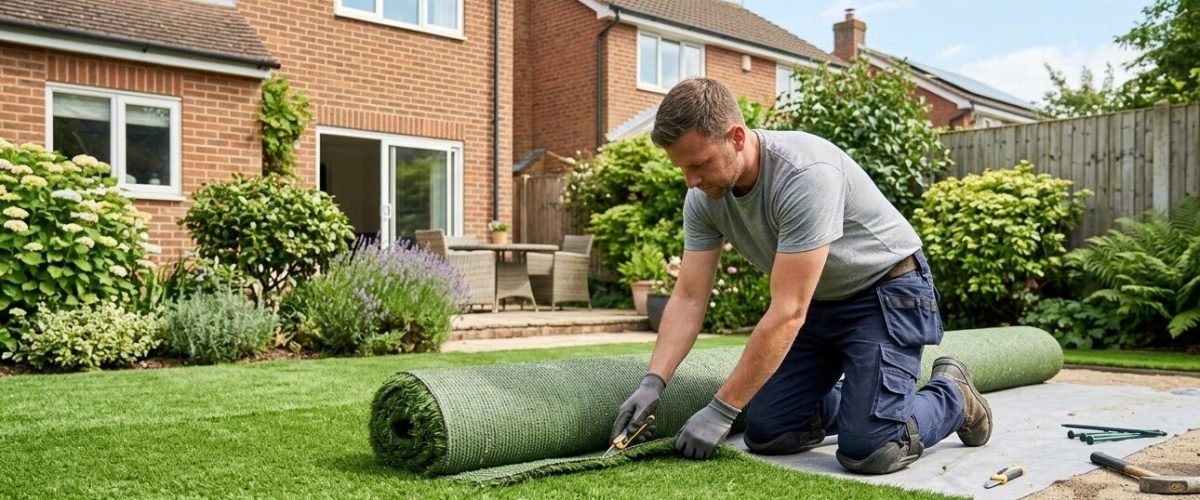
KS Solutions installs artificial turf in Crystal Lake. Call (321) 314-2569 for your free estimate.
Artificial Turf in Crystal Lake: Lakeside Lawn Replacement North of Lakeland Where Sandy Soil Defeats Every Grass Variety
Artificial turf installation in Crystal Lake, FL gives homeowners in this northern Polk County community the permanently green lawn they’ve been spending $150 to $300 monthly trying to coax from sandy soil that won’t cooperate. The ground beneath Crystal Lake properties drains irrigation water so rapidly that grass roots absorb a fraction of what the sprinkler system delivers. Fertilizer follows the same express route into the subsoil. And the chinch bugs that thrive in Polk County’s warm, stressed turf grass find easy targets in lawns already weakened by the nutrient and moisture deprivation that Crystal Lake’s fast-draining sand produces as a baseline condition.
The lake at the community’s center adds a dimension to the lawn challenge that inland properties don’t face: the shaded strips between waterfront homes where the combination of mature canopy cover, narrower lot widths on the water side, and the moisture differential between the lake-adjacent soil and the drier sand further from shore creates micro-environments where grass behaves differently from one section of the yard to the next. A Crystal Lake homeowner may have decent grass on the sunny road-facing front yard and bare dirt on the shaded, lake-facing backyard, creating a split-personality property where the two halves look like they belong to different homes.
KS Solutions installs artificial turf throughout Crystal Lake for homeowners ready to replace the uneven lawn quality that site-by-site growing conditions produce with a surface that looks uniformly green on every section of the yard regardless of sun exposure, soil moisture, or proximity to the water. The community is unincorporated Polk County with no HOA restrictions on most properties. Turf product, coverage area, and installation timing follow the homeowner’s preferences without committee review or approval delays.
Pollen Season Surface Protection and Year-Round Cleaning on Crystal Lake’s Vegetation-Heavy Lots
Crystal Lake’s mature vegetation and proximity to the lake’s shoreline plants produce heavy pollen seasons from February through April that coat every outdoor surface in a yellow-green film. On natural grass, pollen works into the soil surface and blends with the existing organic layer where it’s invisible. On synthetic turf, the pollen sits visibly on the fiber tips and infill surface because the synthetic material doesn’t absorb or incorporate the organic particles the way natural soil does. This visibility isn’t a performance problem, the turf functions identically with pollen on the surface, but it’s an appearance concern that weekly maintenance addresses.
A garden hose rinse with moderate pressure washes pollen off Crystal Lake turf fibers within minutes because the particles sit on the synthetic surface rather than bonding to it. The rinse water carries the pollen through the turf backing and into the aggregate base where it disperses harmlessly into the sandy subgrade. This weekly rinse during pollen season takes 10 to 15 minutes for a 500-square-foot turf area, which is dramatically less time than the mowing, edging, and blowing that natural grass demanded on the same surface weekly throughout the 9-month growing season.
Outside of pollen season, Crystal Lake turf needs only the occasional debris clearance that any outdoor surface accumulates. Fallen leaves from the mature canopy, small twigs after windstorms, and the organic litter that lakeside vegetation produces settle on the turf and blow off with a leaf blower at the lowest setting. The small, rigid leaves that live oaks drop year-round don’t tangle in turf fibers the way soft, broad leaves would, making removal quick and requiring no raking.
KS Solutions includes a seasonal care calendar with every Crystal Lake turf installation that schedules the pollen rinses, debris removal, and periodic infill brushing across the months when each task matters most. The calendar maps the local vegetation’s annual cycle to the maintenance activities that keep the turf performing and looking its best through each season, so the homeowner knows exactly what to do and when without guessing or discovering maintenance needs after the neglect has already affected appearance.
Dog-Friendly Turf on Crystal Lake’s Compact Residential Lots
Crystal Lake’s lot sizes concentrate pet activity into smaller areas than rural Polk County properties provide, creating the intensive use density that destroys natural grass on suburban dog yards within the first warm season. A 40-pound dog using a 2,500-square-foot backyard for bathroom trips, running, and the daily fence-line patrol produces per-square-foot wear that a 10,000-square-foot rural lot would distribute across four times the area. The worn paths, urine burn spots, and digging damage that accumulate on Crystal Lake’s compact lots show faster and cover a proportionally larger share of the visible yard.
For Crystal Lake dog yards, we specify turf products in the 50 to 60-ounce weight class with pile trimmed to 1 to 1.25 inches. This weight class balances cost against the concentrated wear that suburban-lot dog ownership produces. Going lighter saves money but shows matted running lanes within 6 months. Going heavier adds cost without proportional benefit for dogs under 60 pounds. The short pile keeps solid waste visible on the surface for quick scooping rather than hiding it within tall fibers where it decomposes in place and requires hands-and-knees scrubbing to remove. Backing perforations punched at 3-inch centers pass liquid through twice as fast as the standard 5-inch pattern, which matters when one or two dogs deposit daily output across a space that measures hundreds rather than thousands of square feet.
The infill layer in Crystal Lake pet zones uses ZeoFill, a zeolite mineral that traps ammonia molecules from dog urine and locks them into the mineral’s crystalline lattice through ion exchange. The process works passively and continuously without chemical additives. On Crystal Lake’s closer-set lots where the fence separating two families’ outdoor dining areas may be only 15 feet from the dog area, this molecular-level odor capture is the difference between enjoyable summer evenings and awkward conversations about what the neighbors can smell drifting from your side of the property line.
KS Solutions installs Crystal Lake pet turf wall-to-wall within the dog-access area rather than creating a designated pet strip that leaves exposed soil along the fence perimeter. On compact lots, any exposed soil strip becomes the dig zone where dogs concentrate their excavation effort, producing the mud and the fence-undermining holes that the turf installation was supposed to prevent. Covering the full pet area from fence to fence eliminates the exposed soil that triggers digging behavior.
Irrigation Shutdown and Water Bill Reduction for Crystal Lake Households
Crystal Lake homeowners running irrigation systems to maintain natural grass on sandy soil that won’t hold moisture spend $40 to $80 monthly on the water those sprinklers deliver during dry months. The sandy subgrade drains the water so quickly that the irrigation timer needs to run longer cycles at higher frequency to keep the root zone moist long enough for the grass to absorb what it needs. The extended run times push water consumption into higher billing tiers where per-gallon rates increase, making each additional gallon more expensive than the previous one.
Turf eliminates lawn irrigation entirely. The sprinkler zones serving turfed areas get capped at the pipe level and deactivated at the timer. The water bill drops by the volume those zones consumed, and the household’s total consumption may fall into a lower billing tier where the per-gallon rate decreases on all remaining water use. The savings compound: fewer gallons purchased AND each remaining gallon costs less per unit. A household that drops from tier 3 to tier 2 saves both on volume and on the rate applied to everything else coming through the meter.
The irrigation system hardware serving the deactivated zones stops requiring maintenance as well. Broken sprinkler heads that the lawn mower clips, clogged nozzles from Polk County’s mineral-rich water supply, leaking zone valves that waste water underground, and the seasonal timer adjustments that watering schedule changes demand all stop generating service calls and the $75 to $150 per-visit repair costs those calls produce. Over a 5-year period, eliminated irrigation maintenance saves $500 to $1,500 in addition to the water volume savings.
KS Solutions coordinates the irrigation zone deactivation with the homeowner’s irrigation contractor after turf installation is complete. We identify which zones serve the turfed areas versus the landscape beds that still need water, and the irrigation technician caps the turf-area heads at the pipe level and deactivates those timer zones. Capping at the pipe prevents future leaks from abandoned heads that could saturate the aggregate base from below without any surface indication of the problem.
Lakefront View-Zone Turf Creating the Foreground for Crystal Lake Scenery
The lawn between a Crystal Lake waterfront home and the shoreline buffer forms the visual foreground for every view across the water. A patchy, weed-infested natural lawn in this foreground degrades the lake view the way a dirty window degrades a mountain vista: the obstruction sits between the observer and the scenery, pulling attention away from the landscape beyond. A clean, uniformly green turf surface in the same position provides the neutral, maintained foreground that lets the viewer’s eye pass from the patio edge across the lawn and onto the lake without registering a quality mismatch between the maintained home behind them and the unmaintained lawn in front.
Product color for Crystal Lake waterfront yards should relate to the landscape the viewer looks across when facing the water. The lake’s far shore, the buffer plants, and the sky reflected on the water surface all carry tones that range from deep olive to pale sage depending on the time of day and season. A turf product in the middle of that range blends into the visual field rather than standing out from it. Testing samples against the actual view from the back porch in morning and afternoon light takes 10 minutes and reveals whether the product integrates with or fights against the colors nature is already displaying beyond the property line.
The turf terminates at the environmental buffer boundary with a clean bender board edge positioned at the exact setback line the water management regulations specify. No synthetic material enters the buffer zone. The bender board creates the permanent demarcation between the maintained turf and the protected native vegetation, preventing future maintenance activities like edging or trimming from encroaching into the restricted area where they’d violate the environmental conditions that govern lakefront properties.
KS Solutions verifies the buffer setback distance for each Crystal Lake waterfront lot from the regulatory records before laying out the turf boundaries. The ordinary high-water line that the setback is measured from may not match the current water’s edge, which fluctuates with seasonal rainfall and lake-level management. Using the regulatory baseline rather than the visible shoreline prevents the encroachment that a dropping water level might suggest is acceptable but that the regulation permanently prohibits.
Turf Costs for Crystal Lake’s Lakeside and Residential Properties
Artificial turf installation in Crystal Lake costs $8 to $15 per square foot depending on product grade, pet specifications, and whether the installation involves lakefront view-corridor design with buffer-compliant edge detailing. Standard residential turf on interior lots sits at the lower end. Pet-grade turf with enhanced drainage and ZeoFill infill occupies the upper portion. The sandy subgrade’s excellent drainage keeps base construction costs standard on most Crystal Lake properties.
Front yard installations of 300 to 600 square feet cost $2,400 to $9,000. Backyard and lakefront-view zones of 400 to 800 square feet cost $3,200 to $12,000. Pet zones with 50+ ounce turf and ZeoFill infill cost $10 to $15 per square foot. A 250 square foot dog area runs $2,500 to $3,750. Side yard strips cost $8 to $12 per square foot for the narrow corridors between house walls and fences.
Crystal Lake homeowners spending $150 to $300 monthly on lawn care and irrigation save $1,800 to $3,600 annually after turf installation. Eliminated irrigation hardware maintenance adds $100 to $300 in annual savings. Over the turf’s 15 to 20-year lifespan, combined financial savings reach $28,000 to $78,000 depending on current spending levels and property size.
No HOA on most Crystal Lake properties. Polk County places no restrictions on residential turf. Lakefront lots need buffer setback verification we handle before installation. Installation runs 2 to 4 days for standard projects. Call (321) 314-2569 for your free Crystal Lake turf estimate.
Related Services in Crystal Lake, FL
- Brick Paver Installation in Crystal Lake, FL – Custom driveways, patios, pool decks, and walkways built on compacted aggregate bases.
- Fence Installation in Crystal Lake, FL – Vinyl, aluminum, and wood fencing for privacy, pool barriers, and pet containment.
- All KS Solutions Services in Crystal Lake, FL – Overview of every service we offer across Crystal Lake properties.
- Artificial Turf Installation Services – Details on our synthetic lawn, pet turf, and play area products.
Frequently Asked Questions
The sand drains irrigation water and fertilizer nutrients so rapidly that grass roots absorb only a fraction of what’s applied. Chinch bugs target the stressed turf. And the shade from mature canopy on lakeside lots reduces sunlight below what warm-season grass needs. Synthetic turf bypasses all three problems because its appearance depends on fiber pigment, not soil nutrition, moisture, or photosynthesis.
Standard turf costs $8 to $12 per square foot. Pet zones with heavy-duty turf and antimicrobial infill cost $10 to $15. Front yards run $2,400 to $9,000 for 300 to 600 square feet. Backyards run $3,200 to $12,000 for 400 to 800 square feet. Annual savings of $1,800 to $3,600 from eliminated lawn care and irrigation. No HOA approval needed.
A weekly garden hose rinse during February through April washes pollen from turf fibers in 10 to 15 minutes per 500 square feet. Outside pollen season, occasional leaf blowing and monthly infill brushing keep the surface clean. We provide a seasonal care calendar mapping each maintenance task to the months when it matters most.
ZeoFill antimicrobial infill neutralizes ammonia through mineral ion exchange without chemicals. This is critical on compact lots where neighboring patios sit 15 to 25 feet from the dog area. Enhanced drainage perforations at 3-inch spacing pass liquids through before surface bacteria can establish odor cycles. Full wall-to-wall coverage eliminates exposed soil that triggers digging.
Yes. Sprinkler zones serving turfed areas get capped and deactivated. The water bill drops by the volume eliminated, and the household may fall into a lower billing tier where per-gallon rates decrease on all remaining usage. Irrigation hardware maintenance stops generating service calls. Combined water and maintenance savings typically reach $2,000 to $4,000 annually.
Get a Free Turf Estimate in Crystal Lake, FL
SCHEDULE AN APPOINTMENT
Top-Rated by Homeowners: Your Trusted Choice for Outdoor Transformations.
Last updated: April 8, 2026